Ice Bath Safety and Benefits: Cleveland Clinic’s Beginner Guide
Learn what ice baths are, their potential benefits, beginner temperature and time guidelines, key safety concerns, medical contraindications, and practical step-by-step safety measures.
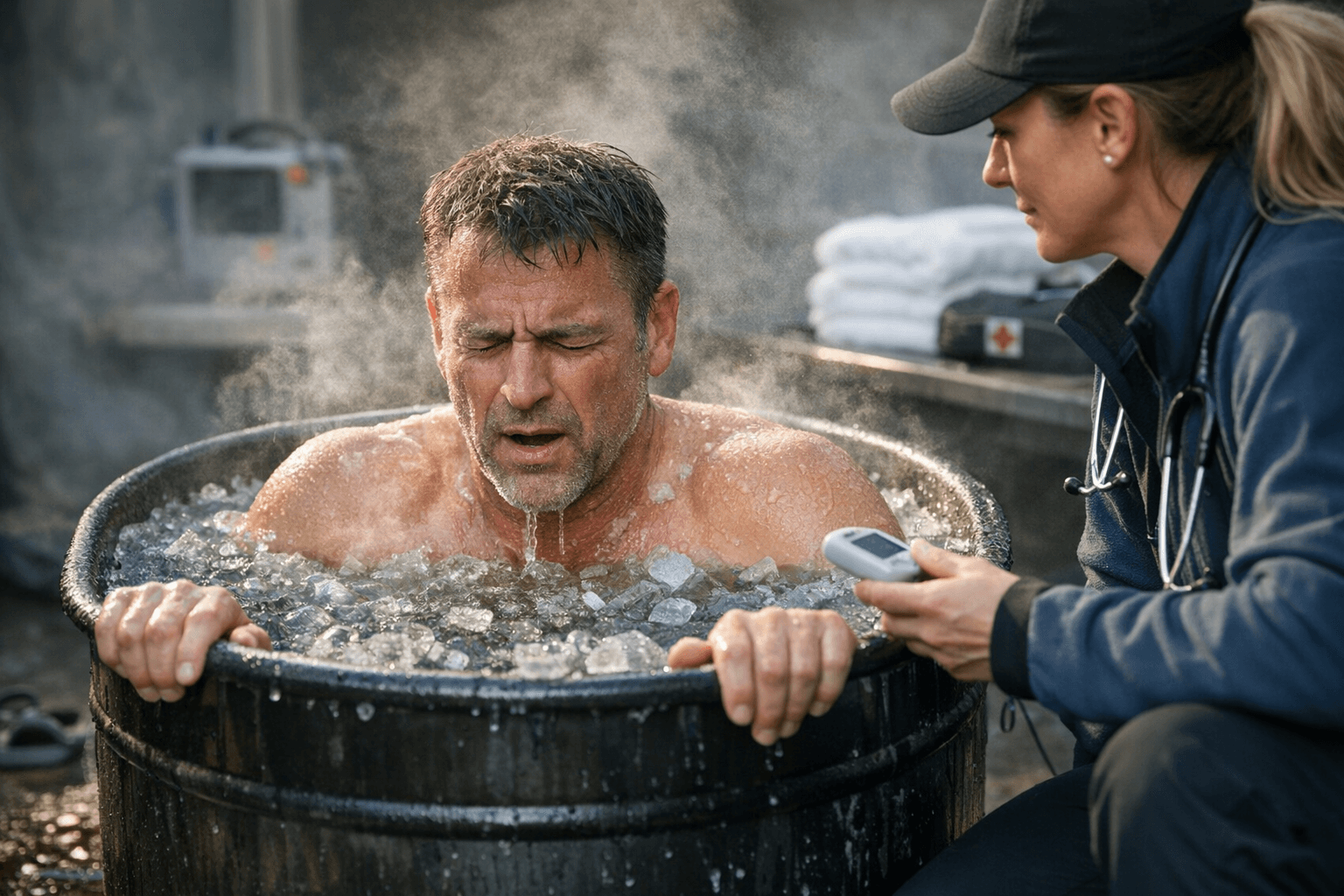
1. What a cold plunge (ice bath) is
A cold plunge is intentional cold-water immersion, typically waist-to-neck depth in water cooled to chilly temperatures, used after workouts or as a wellness ritual. People use bathtubs, dedicated plunge tanks, or natural bodies of water; the goal is a controlled, short exposure to cold to trigger physiological responses. Think of it as a targeted cooldown that is simple in concept but potent in effect, and worth treating with respect.
2. Potential benefits you can expect
Cold plunges are most commonly used for muscle-soreness relief, reduced inflammation, and a lift in mental alertness. Short, controlled immersion can blunt post-exercise soreness and may reduce local swelling by constricting blood vessels, helping recovery after hard training or weekend projects. Many users also report increased alertness and mood uplift after emerging from the water, a practical pick-me-up for early-morning training groups or community sports teams.
3. How cold immersion produces those effects
Cold exposure causes blood vessels to constrict at the skin and muscle level, which reduces local blood flow and can lower inflammatory signals in the short term. That vasoconstriction, combined with slowed metabolic processes in cold tissue, helps limit swelling and perceived soreness after exercise. On the nervous-system side, the shock of cold and subsequent recovery stimulates sympathetic activity and neurochemical shifts that contribute to alertness and mood changes.
4. Key safety concerns to know
Cold plunges can pose cardiovascular stress, increase the risk of hypothermia, and provoke hyperventilation if you’re unprepared. The initial cold shock can spike heart rate and blood pressure, a meaningful risk for anyone with heart disease or uncontrolled hypertension. If you hyperventilate, you can feel dizzy or faint; prolonged exposure can lower core temperature to dangerous levels, so timing and monitoring are essential.
5. Beginner temperature and duration guidance
Start warmer and go short: begin at milder temperatures and brief exposures, then progress slowly as you adapt. Typical safe ranges for beginners are in the higher end of “cold” (for example, water around 50–59°F/10–15°C) and sessions of 1–3 minutes; many sources discuss 3–5 minute upper limits for short-term cold exposures once you’re acclimated. Controlled progression, cooler or longer by small increments over multiple sessions, is the safest route to build tolerance without overtaxing your system.
6. Medical contraindications and who should avoid plunges
Avoid cold plunges if you have known heart disease, uncontrolled hypertension, or certain blood disorders that affect circulation or clotting. These conditions raise the risk that the cardiovascular response to cold, a sudden rise in heart rate, blood pressure fluctuations, and possible arrhythmia, could be dangerous. If you take medications that affect circulation, heart rhythm, or blood pressure, talk with your clinician before trying a plunge.
- Stay within your limits and don’t compete on time or temperature.
- Keep entry and exit safe, non-slip surfaces and easy-to-reach handles reduce fall risk.
7. Practical, stepwise safety tips: start low, go slow
1. Assess baseline fitness and health status; if unsure, consult your clinician before beginning.
2. Start with warmer water and short duration (1–2 minutes) and increase by small increments over weeks rather than days.
3. Use a buddy or supervision, especially for your first sessions, so someone can assist if you feel faint or confused.
4. Control breathing: practice slow, steady breaths on entry to reduce hyperventilation and panic.
These steps help you gain benefits while minimizing acute risks community groups care about when sharing plunge setups.
8. Rewarming and aftercare
Rewarm gradually and intentionally after exiting the water: dry off, put on warm, dry clothing, and sip a warm (non-alcoholic) beverage to help internal warmth. Avoid immediately blasting with very hot water or alcohol, which can mask signs of cold-related injury or cause rapid circulatory shifts. Monitor for lingering numbness, confusion, or shivering beyond what’s typical, those are signals to stop and seek help.
9. When to consult a clinician and red flags to watch for
If you experience chest pain, severe shortness of breath, prolonged dizziness, fainting, numbness that doesn’t resolve, or if you have any medical conditions listed earlier, consult your clinician before continuing. Also check with your doctor if you’re on medications that affect heart rate or blood pressure; they may advise modified protocols or avoidance. Community leaders running group plunges should require medical clearance for participants with known conditions and keep emergency action plans on hand.
Practical closing wisdom Cold plunges can be a savvy tool in your recovery and alertness toolbox when used thoughtfully: start warmer, keep sessions short, watch your breathing, and don’t plunge if you have high-risk heart or blood conditions without medical clearance. Treat the ritual like any training plan, progressive, supervised, and community-minded, and you’ll be more likely to enjoy the chill without the spill.
This article was produced by Prism’s automated news system from verified source data, official records, and press releases, then run through automated quality and moderation checks before publishing. The system is built and supervised by the people who set the standards it runs under. Read our full AI policy.
Did this article answer your question?