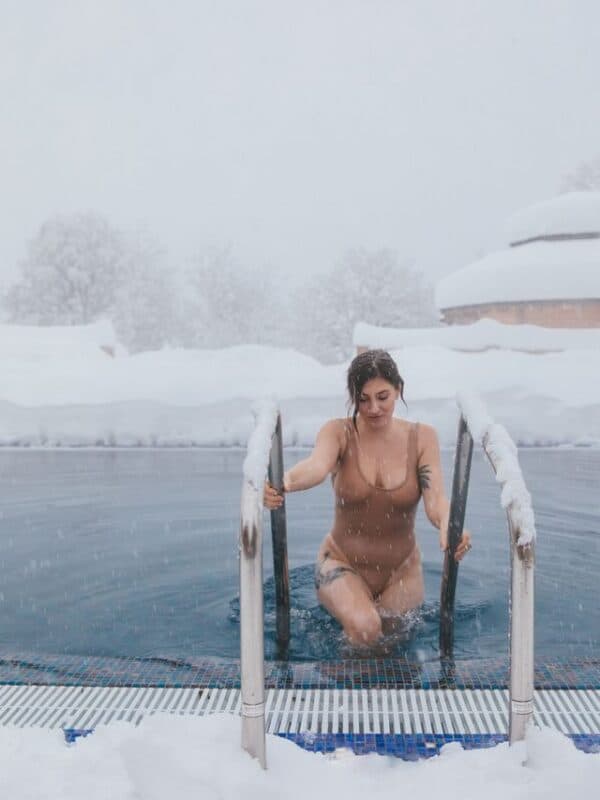
Minnesota Arctic Blast Forces Ice Bathers to Pause Outdoor Dips, Officials Warn
Minnesota's Arctic blast forced outdoor ice bathers to pause planned dips as officials warned of prolonged subzero temperatures and dangerously low wind chills.
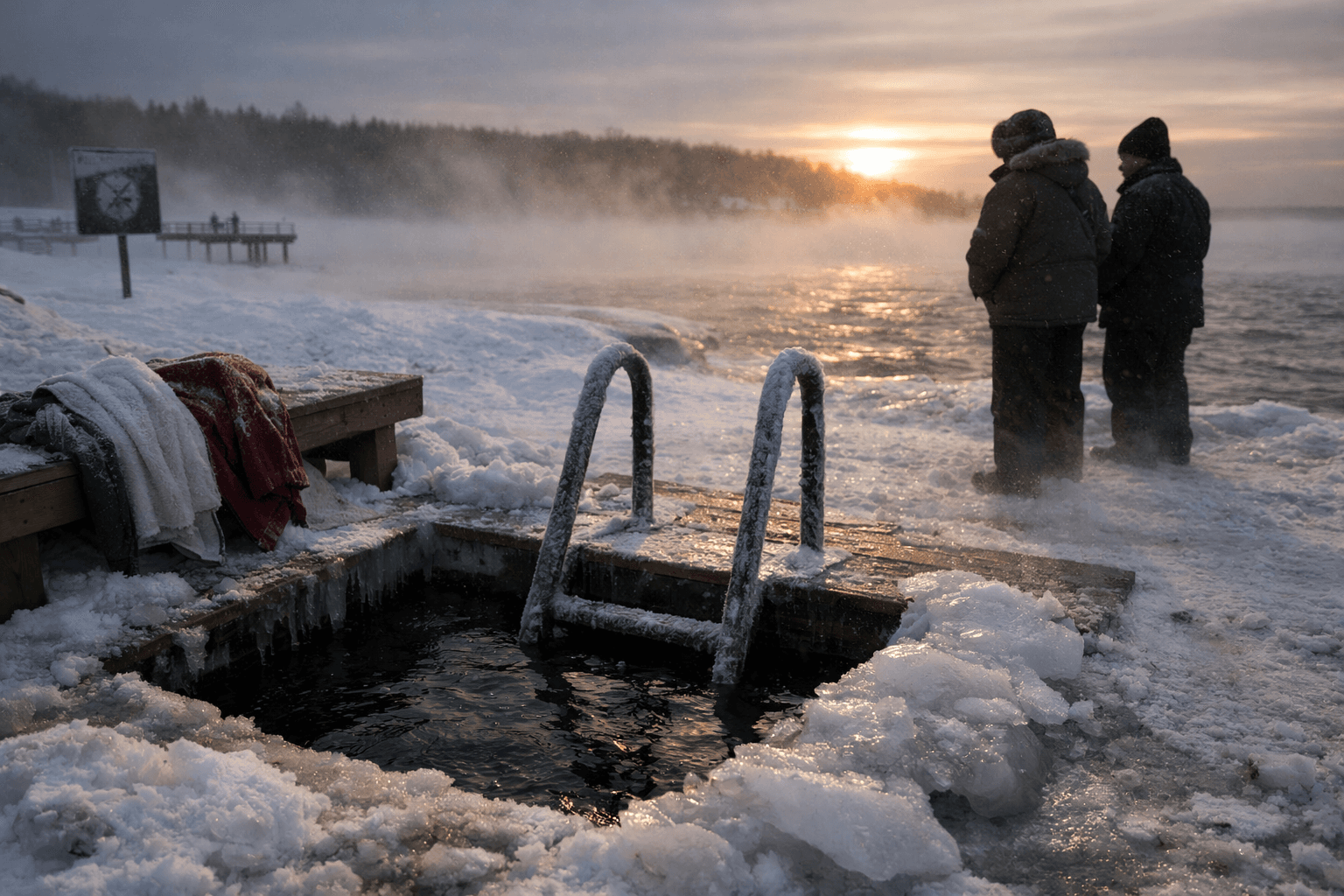
A powerful Arctic blast that prompted an extreme cold watch across much of Minnesota forced outdoor ice bathers and event organizers to pause planned dips and reconsider open-water plunges. The National Weather Service warned of a roughly 60-hour stretch of below-zero temperatures that began Jan. 22, with daytime highs remaining under freezing and overnight lows plunging toward -20°F in the Twin Cities and into the 30s below zero in northern Minnesota.
Forecasts called for wind chills that could reach the -40°F range, where exposed skin can suffer frostbite in minutes. Meteorologists and state officials warned of heightened risk of frostbite and hypothermia and urged residents to limit time outdoors. That combination of extreme cold and dangerous wind chills made organized polar plunges, community cold-water dips, and informal outdoor baths unsafe for the duration of the cold snap.
The cold episode had immediate ripple effects across transportation and public services. Officials reported travel hazards and a higher likelihood of vehicle breakdowns during prolonged subzero conditions. Several Amtrak runs were canceled and transit systems experienced strain as resources shifted to essential operations and emergency readiness. The broader winter-event calendar was disrupted as organizers postponed or moved activities indoors to protect participants.
For the ice-bathing community the practical implications were clear. Cold-water immersion elevates risk because water conducts heat away from the body faster than air, and subzero air temperatures make pre- and post-dip exposure particularly hazardous. Organizers and individual bathers were advised to cancel outdoor sessions, avoid solo plunges, and ensure rapid warm-up plans if exposure cannot be avoided. Officials recommended dressing in layers, preparing emergency kits for vehicles, and keeping warm clothing and blankets immediately available.
Community leaders and swim organizers were encouraged to communicate cancellations and alternatives to participants, confirm transit and road conditions before travel, and reschedule events when temperatures return to safer ranges. Where indoor plunge tubs or controlled warm-up facilities exist, those options offered a safer way to maintain practice without the risks posed by open-air transitions between freezing air and icy water.
This Arctic blast underscored the need for routine cold-weather planning for groups that gather around ice and water. Monitor local forecasts, follow National Weather Service updates, and prioritize shorter, controlled exposure if any activity must continue. For most bathers, the safest choice was to let plunge plans warm up on the calendar until temperatures moderate and wind chills drop back into a safe range.
This article was produced by Prism’s automated news system from verified source data, official records, and press releases, then run through automated quality and moderation checks before publishing. The system is built and supervised by the people who set the standards it runs under. Read our full AI policy.
Did this article answer your question?