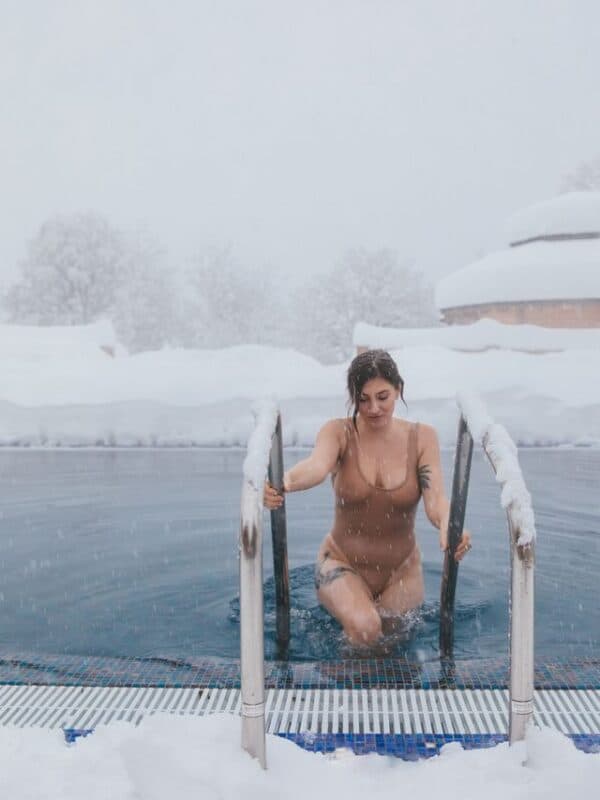
Munich group hosts Wim Hof-style ice bath, breathwork and tea session
A Munich group led a Wim Hof-style eisbaden session at Wittelsbacherbrücke, pairing guided breathwork, river plunges, warming movement and tea to build community and teach safe cold exposure.
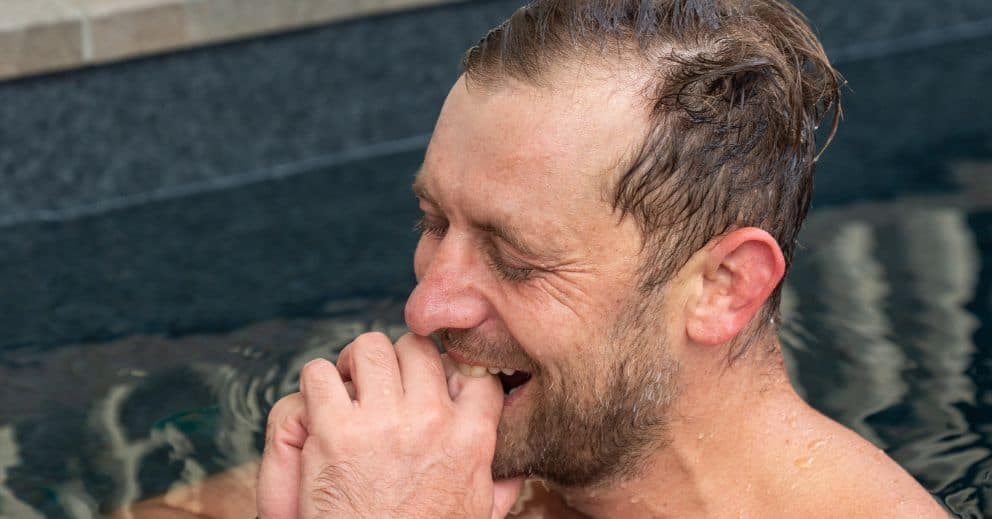
Participants gathered at Wittelsbacherbrücke on January 31 for a structured "Ice Bath, Breathwork, Tea" session that brought Wim Hof-style breathing and guided ice bathing to the Isar river. The Munich-based group combined progressive breathwork sets with supervised plunges, warming movement sequences on the riverbank and a communal post-plunge tea to close the session.
Organizers opened with breathing exercises designed to prime the nervous system, then moved participants through staged entries into the cold Isar water. The guided approach emphasized controlled breathwork and paced immersion rather than rapid, unsupported plunges. Warming movement and layers of clothes were used after each bath to restore body temperature before the group shared hot tea at the riverside. The sequence reflected a full-cycle practice: prepare, expose, warm, and recover.
The event mattered to local eisbaden practitioners and newcomers because it combined technique, safety and social structure in a public urban setting. Cold-exposure communities value guided breathwork as a tool to regulate shock response and make ice bathing more accessible; the post-plunge tea and group debrief reinforced social bonds that help participants manage discomfort and learn pacing. Holding the session at a familiar landmark like Wittelsbacherbrücke also lowered the barrier for Munich residents curious about cold therapy.
Practical elements were prominent in the session design. Organizers staged entries into the water so participants could acclimate, led warming movement that restored circulation after each plunge and used inexpensive, community-friendly rituals such as shared tea to aid recovery and encourage conversation. Those features matter to anyone considering eisbaden because they reduce risk and improve the learning curve for first-time plungers.

The event also reflected the broader trend of urban cold-exposure meetups moving from private clubs to public spaces. Using the Isar river allowed easy access for locals and created a visible, shared practice that drew interest from passersby and potential new participants. For Munich residents who already eisbaden, the session offered a chance to refine breathwork timing and group safety practices; for novices it provided a low-pressure introduction with built-in recovery.
If you want to try a session like this, bring a towel, warm layers for after the plunge, and a basic willingness to follow guided breathwork and staging. Expect a mix of controlled breathing sets, brief supervised immersion, warming exercises and a communal cup of tea that helps a cold plunge land as a social, learnable practice rather than a lone dare. Future meetups in Munich are likely to follow the same structure as groups refine how best to balance safety, accessibility and the social side of eisbaden.
This article was produced by Prism’s automated news system from verified source data, official records, and press releases, then run through automated quality and moderation checks before publishing. The system is built and supervised by the people who set the standards it runs under. Read our full AI policy.
Did this article answer your question?