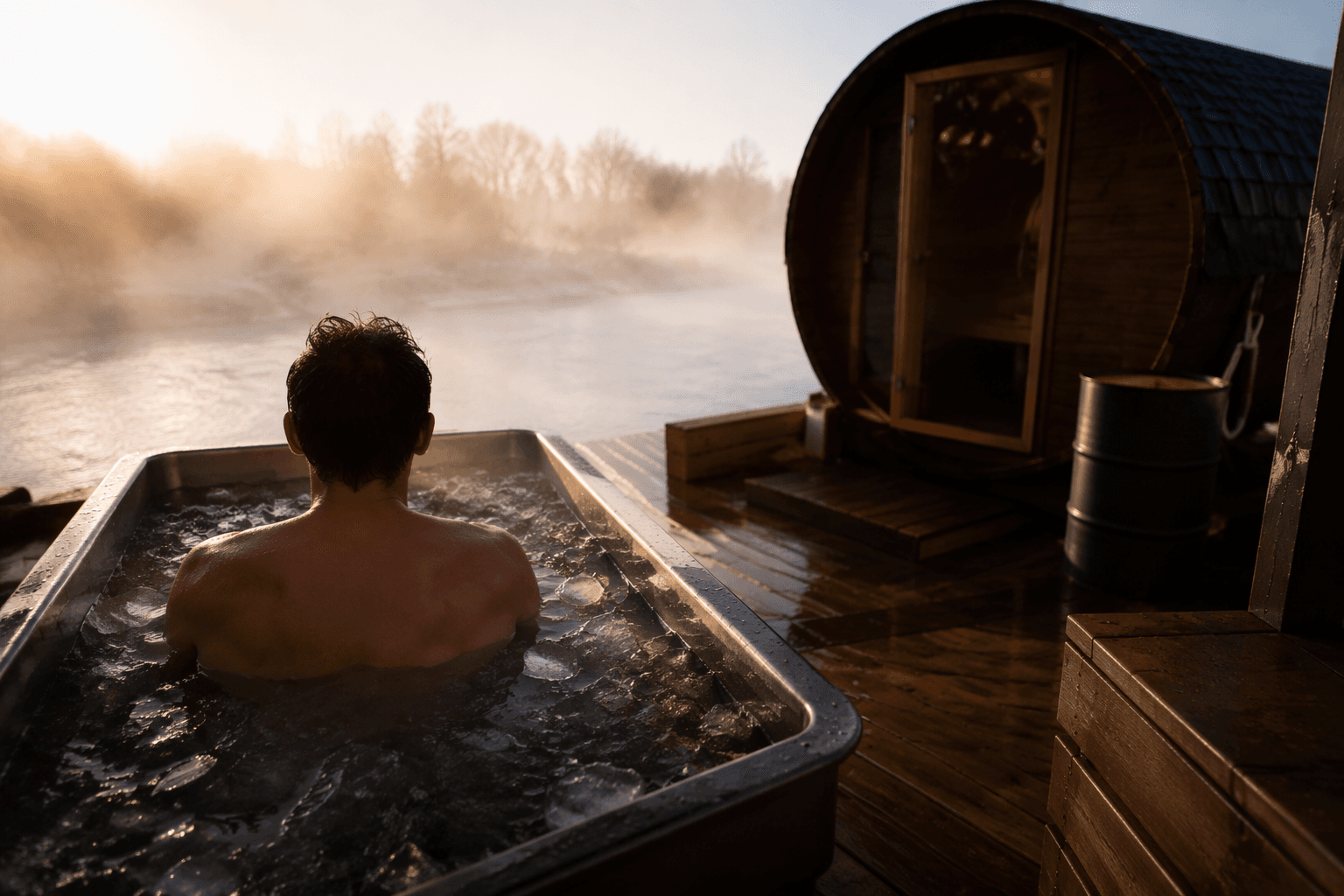
New Clinician Guidance Urges Caution With Home Ice Baths
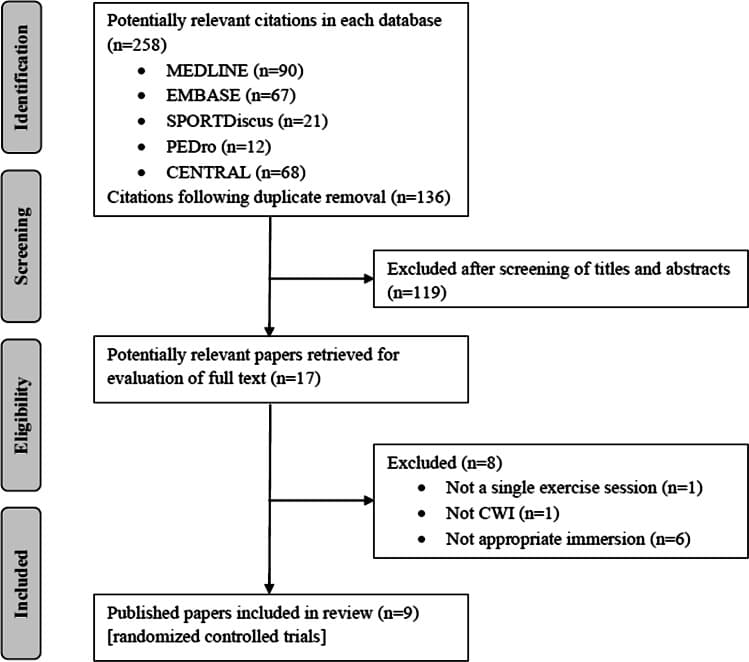
A clinician-oriented explainer framed ice baths as a widely used but incompletely studied recovery practice, noting that many athletes report reduced soreness and faster perceived recovery while rigorous evidence remains limited and mixed. The piece highlighted clear safety risks, cold shock, rapid breathing, spikes in heart rate and blood pressure, and hypothermia, and recommended practical limits, supervision, and medical consultation for people with cardiovascular or other risk factors.
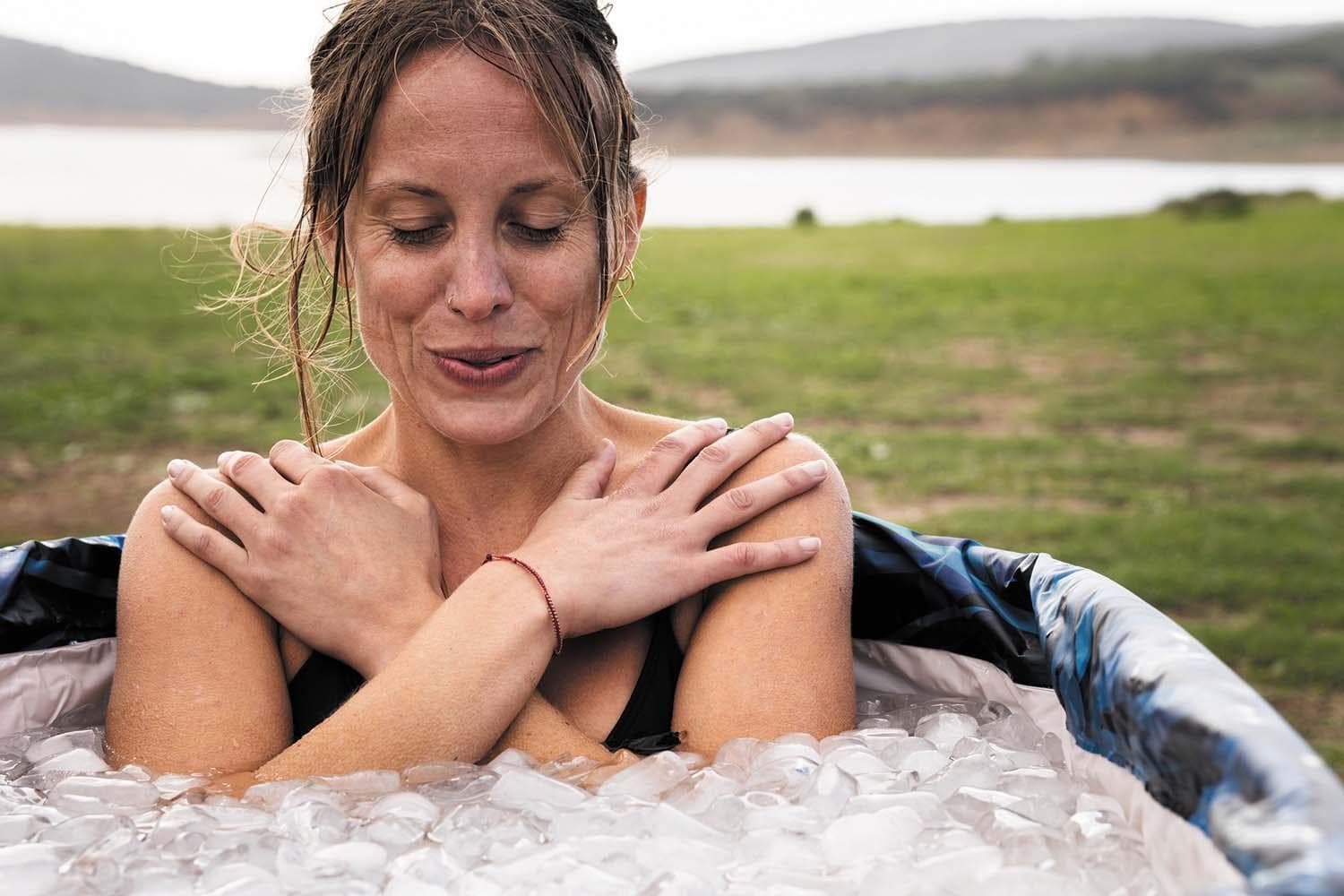
A concise clinician-oriented Q&A published last year recast ice baths not as a proven therapy but as a widely adopted practice that carries measurable risks. Many athletes and recreational users turn to cold-water immersion to ease muscle soreness and speed perceived recovery, yet clinical evidence remains limited and mixed, leaving community organizers and individual users to balance potential benefits against documented safety concerns.
The explainer spelled out the most immediate hazards: a cold shock response that can trigger rapid breathing and sudden spikes in heart rate and blood pressure, and, with longer exposure, hypothermia. To reduce those dangers it presented common practical limits used in clinical guidance: typical water temperatures for immersion are about 50–60°F and maximum immersion times commonly recommended hover around 15 minutes. The guidance emphasized supervision and advised medical consultation for anyone with cardiovascular or other health risk factors.
Those specifics matter for local gyms, athletic clubs, and neighborhood cold-plunge groups planning regular sessions. Verify participants’ medical history before inviting them into a shared tub or pool. Arrange for a sober, trained supervisor to monitor new or vulnerable users during entry and exit. Keep immersion periods short, watch for signs of distress, and have a warm area available for recovery. For people with heart disease, high blood pressure, or a history of fainting, seek medical input before use.
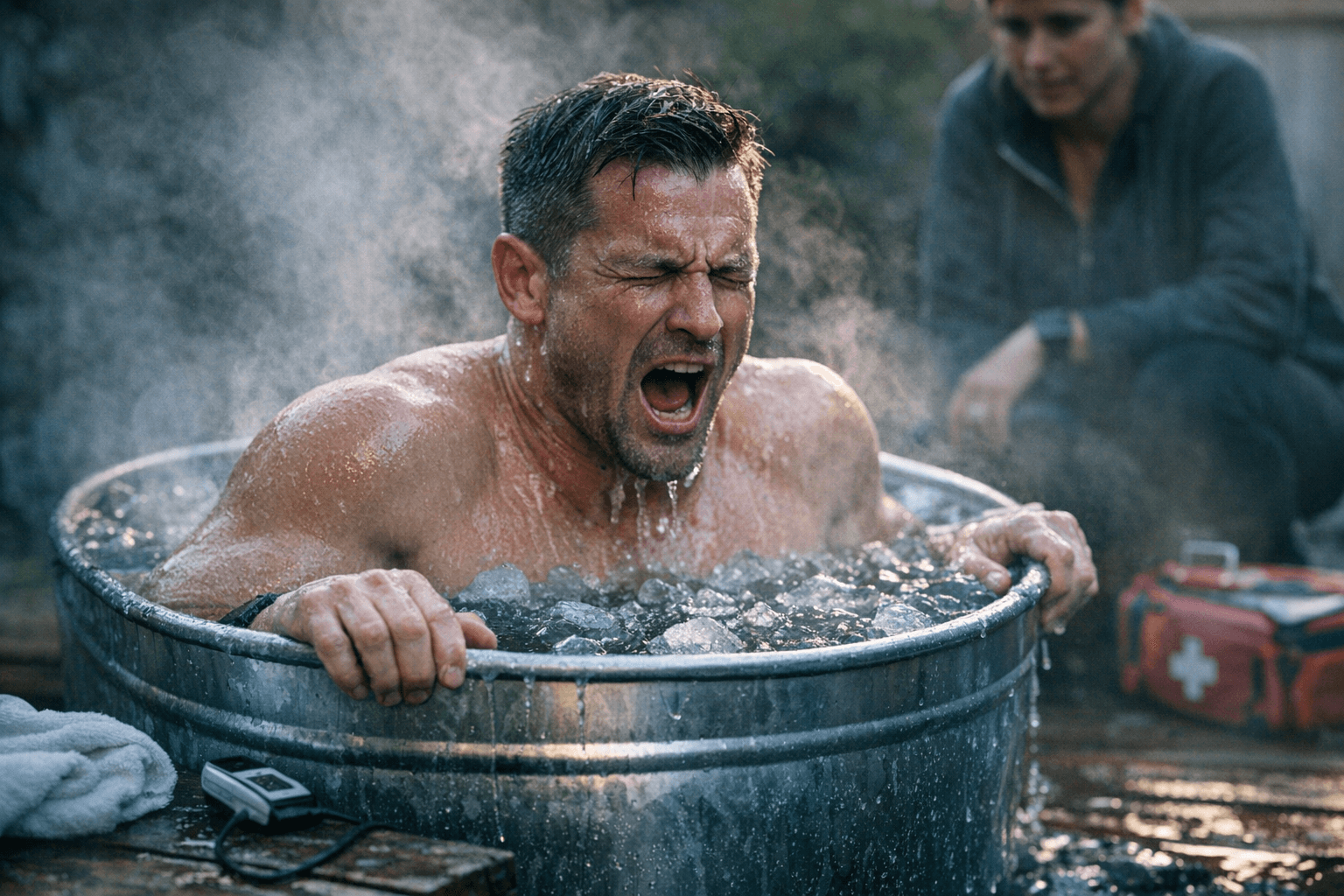
For individuals experimenting at home, simple steps improve safety without negating the experience. Start with brief exposures well under the common 15-minute limit and stay at the warmer end of the 50–60°F range until you know how your body reacts. Use a timer and never immerse alone; a companion can recognize early warning signs and call for help if needed. When in doubt, pause the practice and consult a clinician.
The community interest in cold-water immersion shows no signs of cooling off, but so long as evidence is mixed, practical safety measures will determine whether ice baths remain an accessible recovery tool or a risky trend. For now, prioritize supervision, sensible time and temperature limits, and medical clearance for those with cardiovascular concerns.
This article was produced by Prism’s automated news system from verified source data, official records, and press releases, then run through automated quality and moderation checks before publishing. The system is built and supervised by the people who set the standards it runs under. Read our full AI policy.
Did this article answer your question?