New evidence suggests possible health benefits of ice baths amid safety concerns
New small studies and expert commentary point to recovery and mood benefits from cold plunges and cold showers, but experts warn research is limited and safety matters.
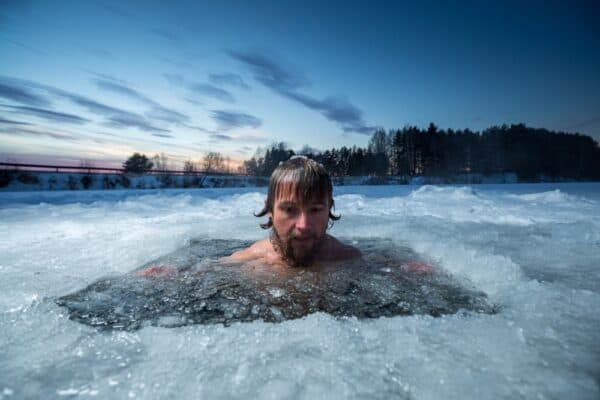
Deliberate cold exposure, cold showers, ice baths, cold plunges and cold-weather workouts, is attracting renewed attention as preliminary studies and expert commentary suggest benefits for recovery, mood and focus. Dr. Benjamin Boswell, a sports medicine physician at University Hospitals, "is quoted describing small studies that suggest potential benefits of c," and the Huberman Lab Podcast Episode #66 states, "Done correctly, deliberate cold exposure can positively affect brain and body health."
Evidence for post-exercise recovery is explicit across clinical sources. Mayo Clinic Health System notes, "Research on cold-water immersion has found evidence that it helps reduce the degree of exercise-induced muscle damage that can occur after physically challenging activities." UCLA Health frames cold showers as a practical recovery tool, defining them as "lowering the water temperature below 60 degrees for two to three minutes at a time" and quoting Sharon Hame, MD: "Cold showers are a convenient way for a weekend warrior, amateur athlete or anyone who enjoys exercise to get some of the benefits of cold therapy after a workout." Both Mayo Clinic and Dr. Hame allow daily practice in appropriate contexts; Mayo Clinic says, "You can do cold plunging every day," and Hame adds that "if you work out daily, it’s OK to take a cold shower every day."
Researchers and practitioners offer mechanistic ideas but stop short of definitive claims. Huberman Lab materials state, "Cold causes their levels to stay elevated for some time and their ongoing effect after the exposure is to increase your level of energy and focus," and highlight the Søeberg Principle: "To enhance the metabolic effects of cold, force your body to reheat on its own." The podcast also stresses a counterintuitive rebound: "After cold exposure, your body heats up-yes, HEATS up-for reasons discussed on the Huberman Lab Podcast with Dr. Craig Heller from Stanford." The Huberman Lab wording leaves some biological specifics unspecified in the excerpts provided.
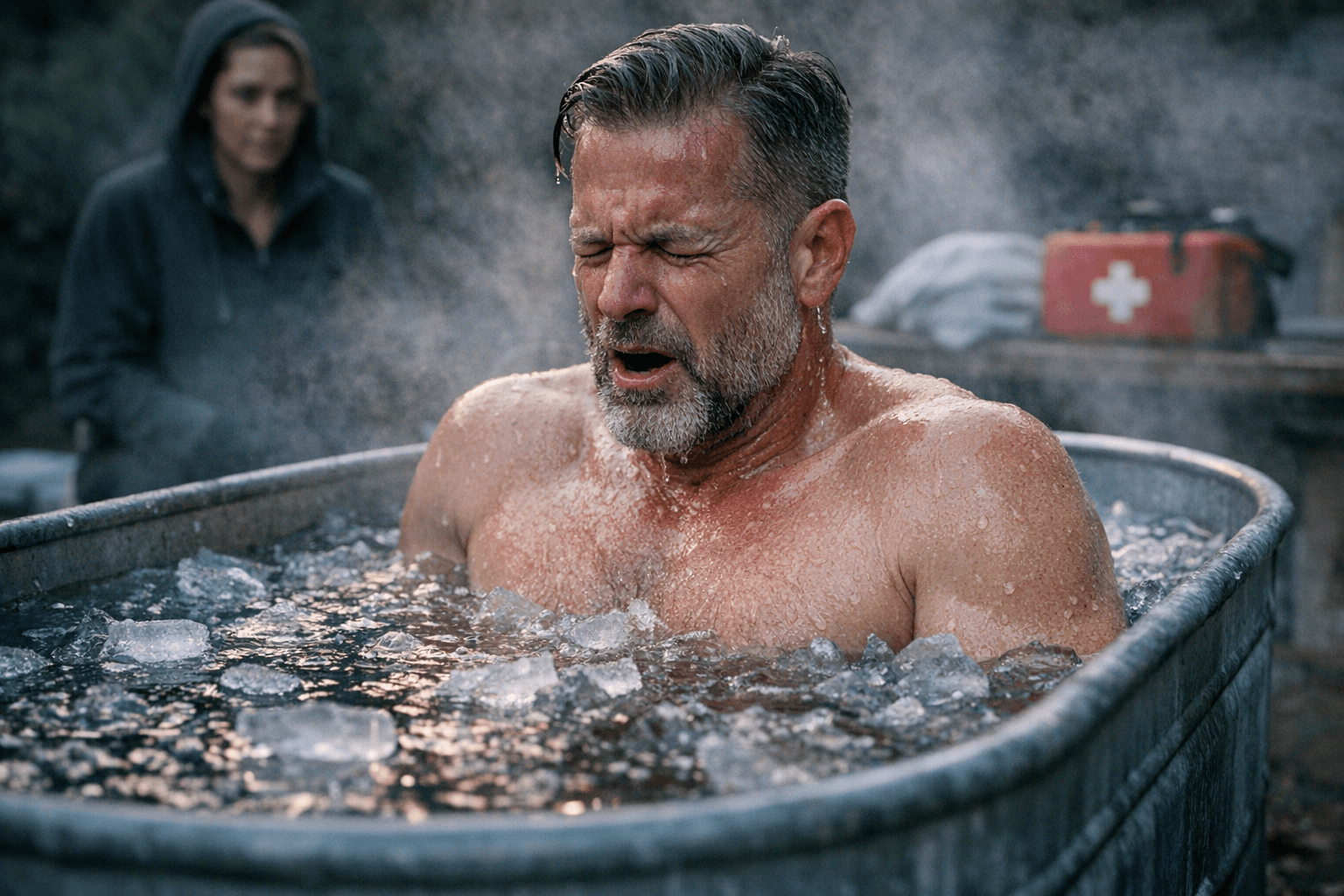
Safety guidance and practical limits appear in the same set of sources. Mayo Clinic recommends that "If you want to give cold-water immersion a try, start by consulting an expert, such as a sports medicine specialist, to ensure you're plunging appropriately and following the right protocol." Dartmouth Health advises outdoor precautions: "Before going outside, warm up for five or ten minutes. Remember to wear a warm hat, insulated gloves, and moisture-wicking socks," and warns that "toes, fingers, and ears ... are the places that are going to get frostbite first," Loescher explains. UofL Health encourages cold-weather workouts when conditions and experience match: "If it’s above 0 degrees and you have trained outside before, get outside, get moving and enjoy the extra benefits a cold-weather workout has to offer," noting Jennifer Daily, M.D., as a UofL Health sports medicine provider.
Yet major caveats remain. Mayo Clinic cautions that "Researchers are still determining the optimum process and timing for cold-water immersion sessions," and UCLA bluntly states, "Cold showers are not the primary treatment for any conditions, and conclusive research about cold therapy is still limited." For now, the balance of sources suggests measurable recovery and mood effects for some users, practical protocols such as sub-60 degree showers for 2 to 3 minutes, and routine safety steps, but also a clear need for more definitive trials and clinical guidance before declaring cold exposure a broadly validated medical therapy.
This article was produced by Prism’s automated news system from verified source data, official records, and press releases, then run through automated quality and moderation checks before publishing. The system is built and supervised by the people who set the standards it runs under. Read our full AI policy.
Did this article answer your question?