New Year’s Day Ice-Slurry Plunge Sparks Peer Safety Conversation
A community post documented a New Year’s Day ice-slurry plunge recorded at 33.6°F (≈1.6°C) that lasted nine minutes and included time-stamped heart-rate metrics, pre-plunge activity notes, trembling onset, and rewarming observations. The detailed self-report and follow-up replies highlight how enthusiasts are sharing peer data on temperatures, durations, and safety practices while reminding readers to start slow and use a spotter.
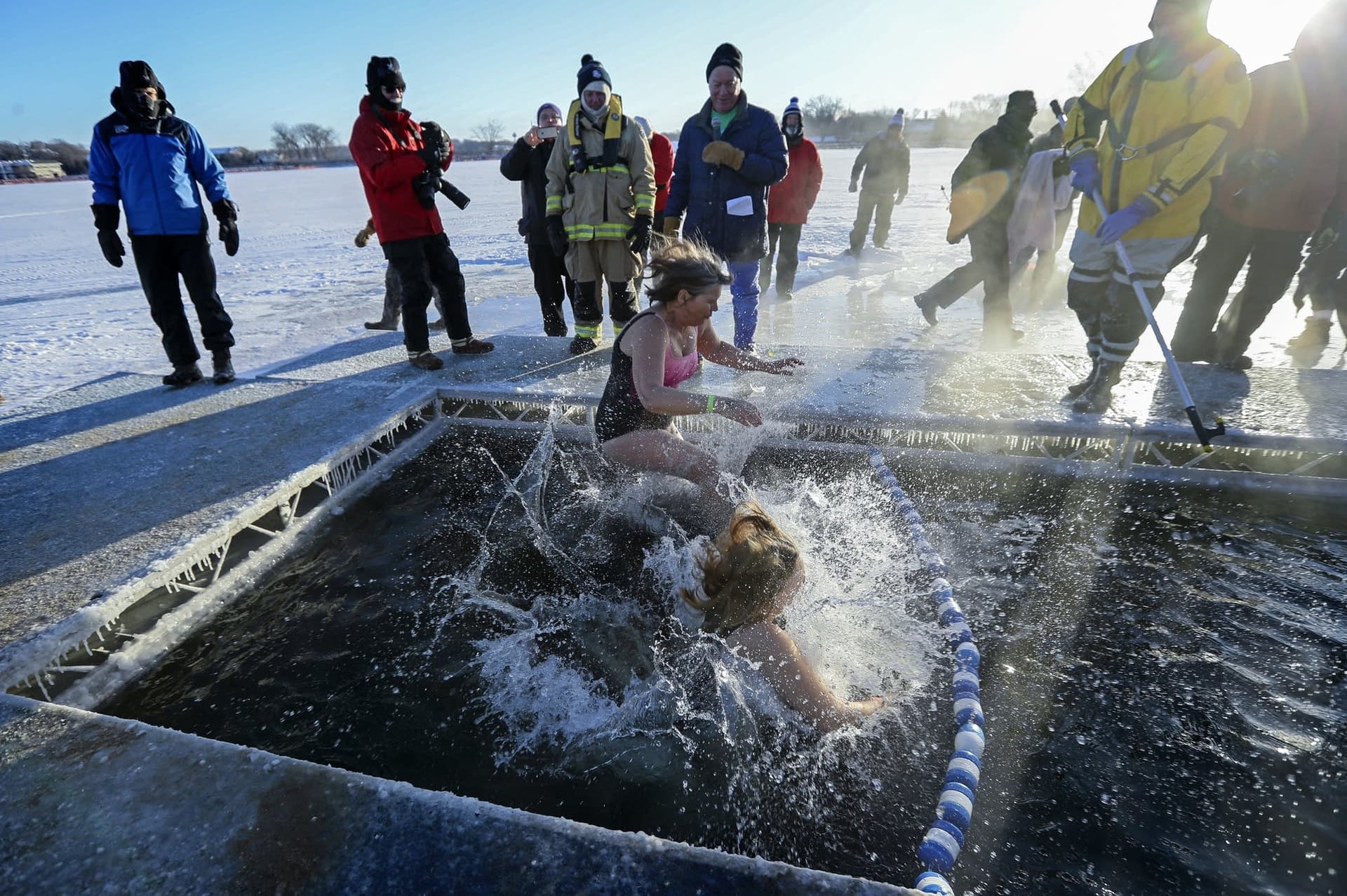
An online community post captured a detailed account of a New Year’s Day personal plunge into an ice slurry measured at 33.6°F (≈1.6°C). The participant reported a nine-minute immersion and supplied contextual metrics including heart-rate readings taken before, during, and after the plunge, notes about warm-up activity before entry, the moment trembling began, and how long rewarming required. Those elements together turned a single plunge into a practical data point for others who track physiological responses to extreme cold exposure.
Replies in the thread treated the post as a case study. Several responders described similar durations and offered practical tips focused on gradual adaptation and safety: breathwork to manage early stress responses, progressive exposure to build tolerance, careful attention to bodily cues, and having a spotter present during longer or colder sessions. Community members exchanged temperature and time benchmarks and compared heart-rate patterns, turning subjective experience into a community-sourced dataset that others can reference when planning sessions.
This exchange matters because it shows how peer-data sharing is filling an informational gap for people experimenting with cold immersion. The post’s inclusion of pre-plunge activity and rewarming timeline provides practical context that raw temperature and duration alone do not. Seeing a full sequence, warm-up, immersion, onset of trembling, and rewarm, helps readers interpret what metrics mean in real practice and decide what to try first or when to stop.
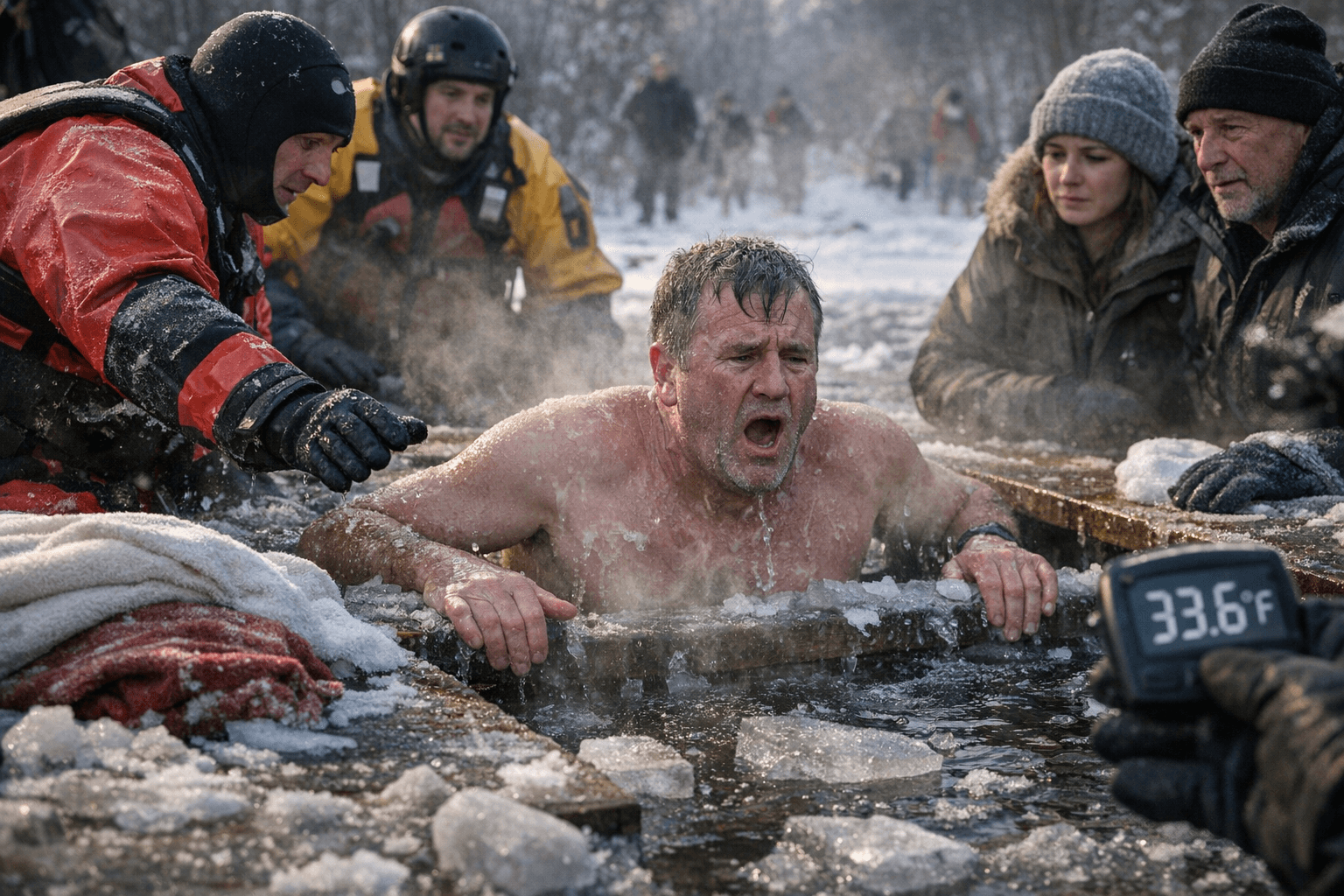
For anyone considering similar sessions, start slow. Begin with shorter dips and slightly higher water temperatures, track heart rate and subjective comfort, and gradually increase exposure if you tolerate it well. Use breathwork to manage the initial shock response, pause at the first signs of uncontrolled shivering, and ensure someone is nearby to assist. Log rewarming time and any prolonged symptoms and seek medical advice for unusual or sustained reactions.
The post is a reminder that community reports can be a useful supplement to formal guidance when they include clear, time-stamped data and candid safety notes. Treat peer accounts as reference points rather than prescriptions, and prioritize measured progression and on-site safety whenever you attempt cold-plunge sessions.
Know something we missed? Have a correction or additional information?
Submit a Tip