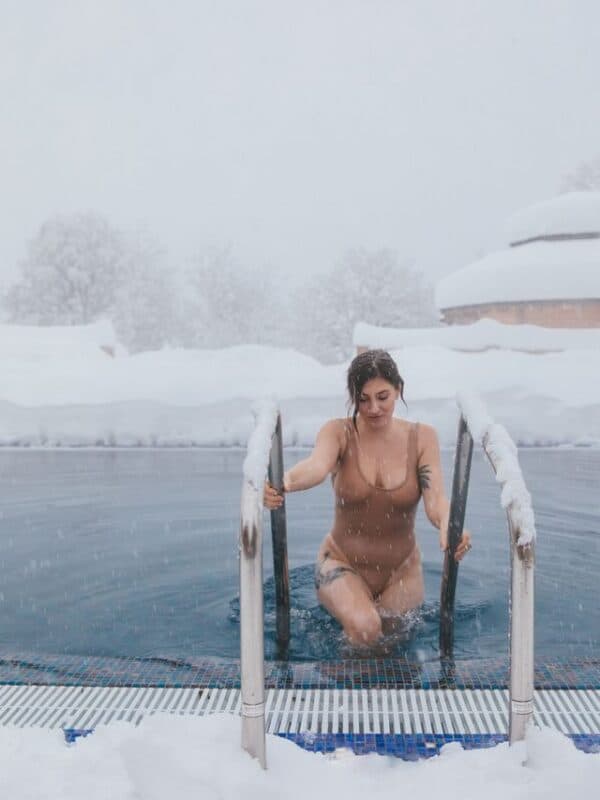
NoHo’s Lore Brings Cold Plunges Into New York Wellness Culture
Lore’s NoHo opening shows cold plunges turning into membership culture, with a 6,200-square-foot bathing club built for weekly ritual, not a one-off dunk.
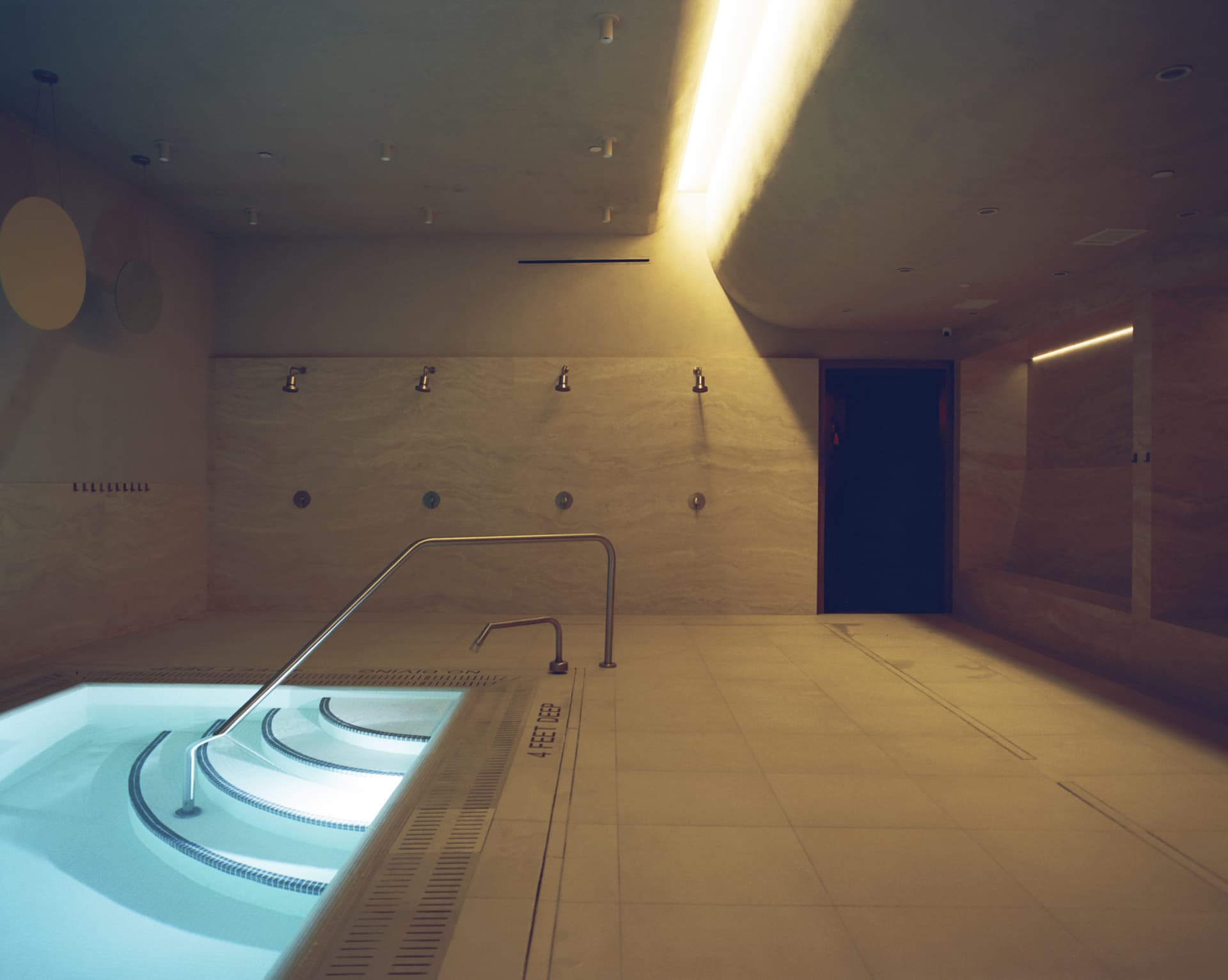
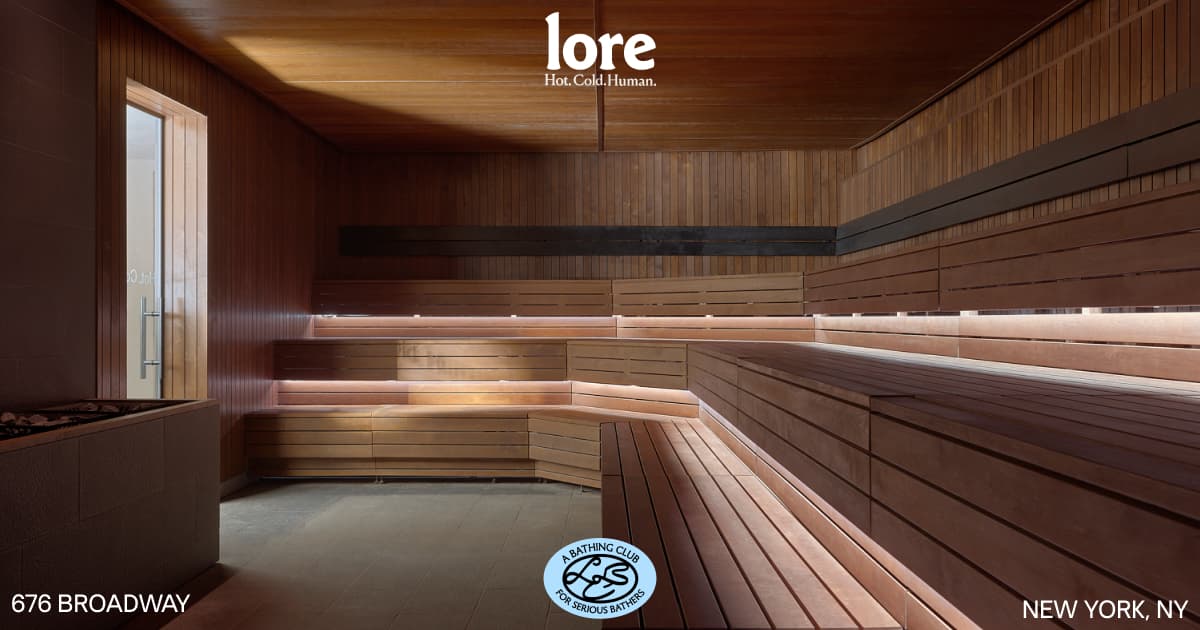
Lore’s opening in NoHo is one of the clearest signs yet that cold plunging has moved beyond recovery bro lore and into New York’s premium wellness circuit. At 676 Broadway, the two-story, roughly 6,200-square-foot club has been built around contrast therapy, with a large Finnish sauna, an infrared sauna and a cold plunge set inside a membership model that treats the ritual like a standing appointment, not a quick detour.
The layout makes that intention obvious. Lore is not trying to move people in and out fast. Its 700-square-foot dry sauna, 46-degree plunge and communal spaces are designed for lingering, resetting and repeating the cycle. The club offers a single 75-minute session, which tells you exactly who it is for: people who want cold exposure wrapped in structure, design and a social scene that feels closer to a private club than a drop-in spa.
That positioning matters in Manhattan, where space is expensive and attention is scarce. Lore leans into warm travertine, textured flooring, alder wood and dark tones that make the temperature swings feel deliberate rather than gimmicky. James O’Reilly, who previously co-founded NeueHouse and helped expand Life Time’s coworking business, and Adam Elzer, who comes from hospitality, built the club around the social side of bathing. The pitch is simple: reconnect in a city that rarely slows down.
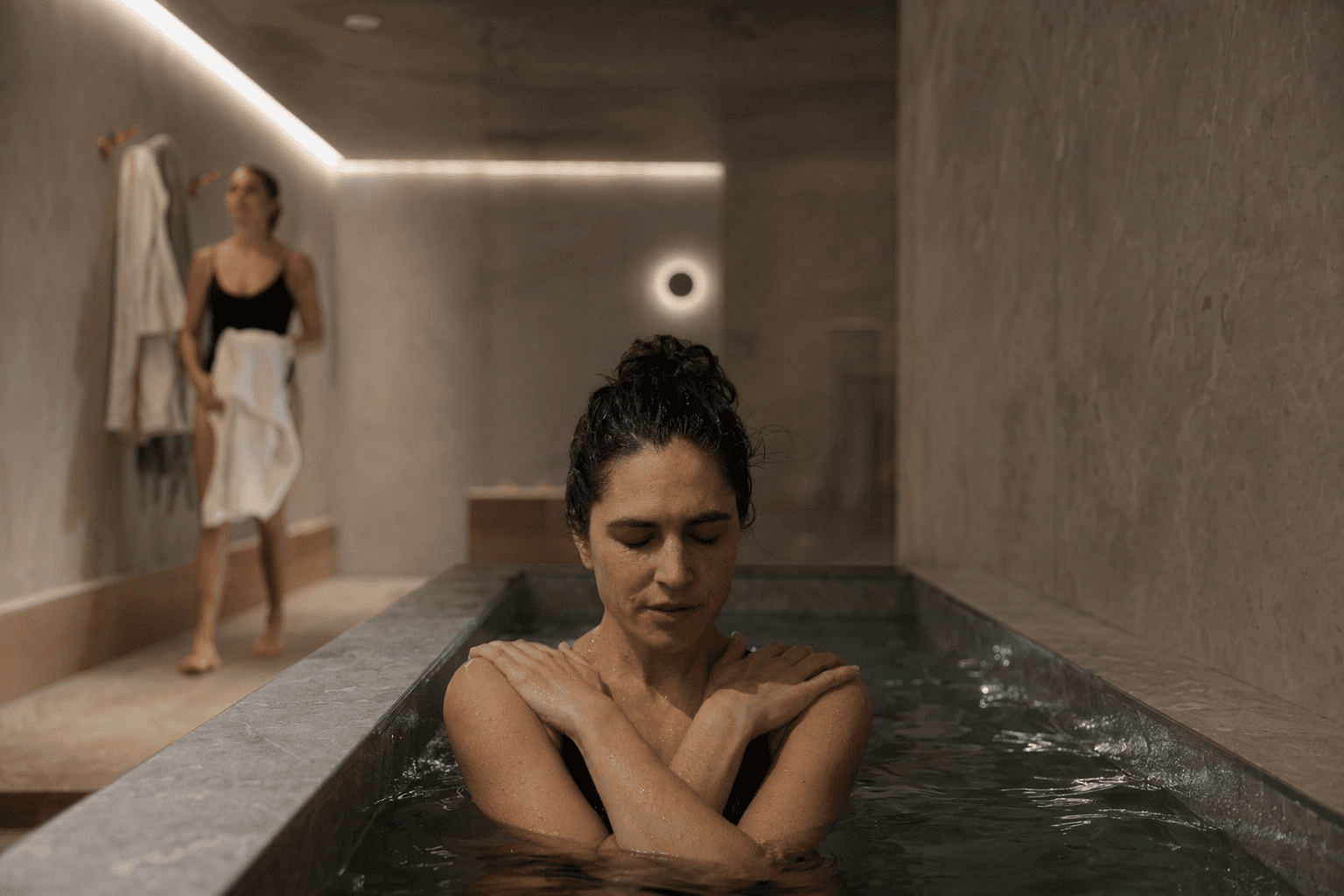
Lore also arrives as part of a broader New York bathhouse wave. Before the club opened, New York was already getting more social bathhouses, saunas and recovery clubs, including Othership’s second city location in Williamsburg and another Othership outpost on the Upper East Side that was not slated for completion until 2027. Lore has been described as a refined alternative to spas and gyms, and a social third space, which is exactly the kind of language that signals where the category is headed.
For cold-plunge regulars, the bigger story is not just that Lore opened. It is that the business case now depends on recurring membership, communal ritual and a polished urban setting. The recovery tool is still there, but the product has become belonging.
The health caveat has not disappeared just because the scene looks better. Harvard Health says the evidence for many cold-plunge benefits remains limited, and it advises that people with cardiovascular disease, especially heart rhythm abnormalities, avoid the practice or be cautious. CDC guidance adds that cold water immersion can trigger immersion hypothermia faster than standard hypothermia, and that hypothermia can occur in any water below 70 degrees Fahrenheit. That is the tension at the heart of the trend: the culture is getting more refined even as the water stays brutally cold.
This article was produced by Prism’s automated news system from verified source data, official records, and press releases, then run through automated quality and moderation checks before publishing. The system is built and supervised by the people who set the standards it runs under. Read our full AI policy.
Did this article answer your question?