Pennsylvania boy survives 177-minute ice submersion, recovers after ECMO rewarming
An 8-year-old from central Pennsylvania survived up to 177 minutes under pond ice, then recovered after CPR and ECMO rewarming, a rare hypothermia rescue.
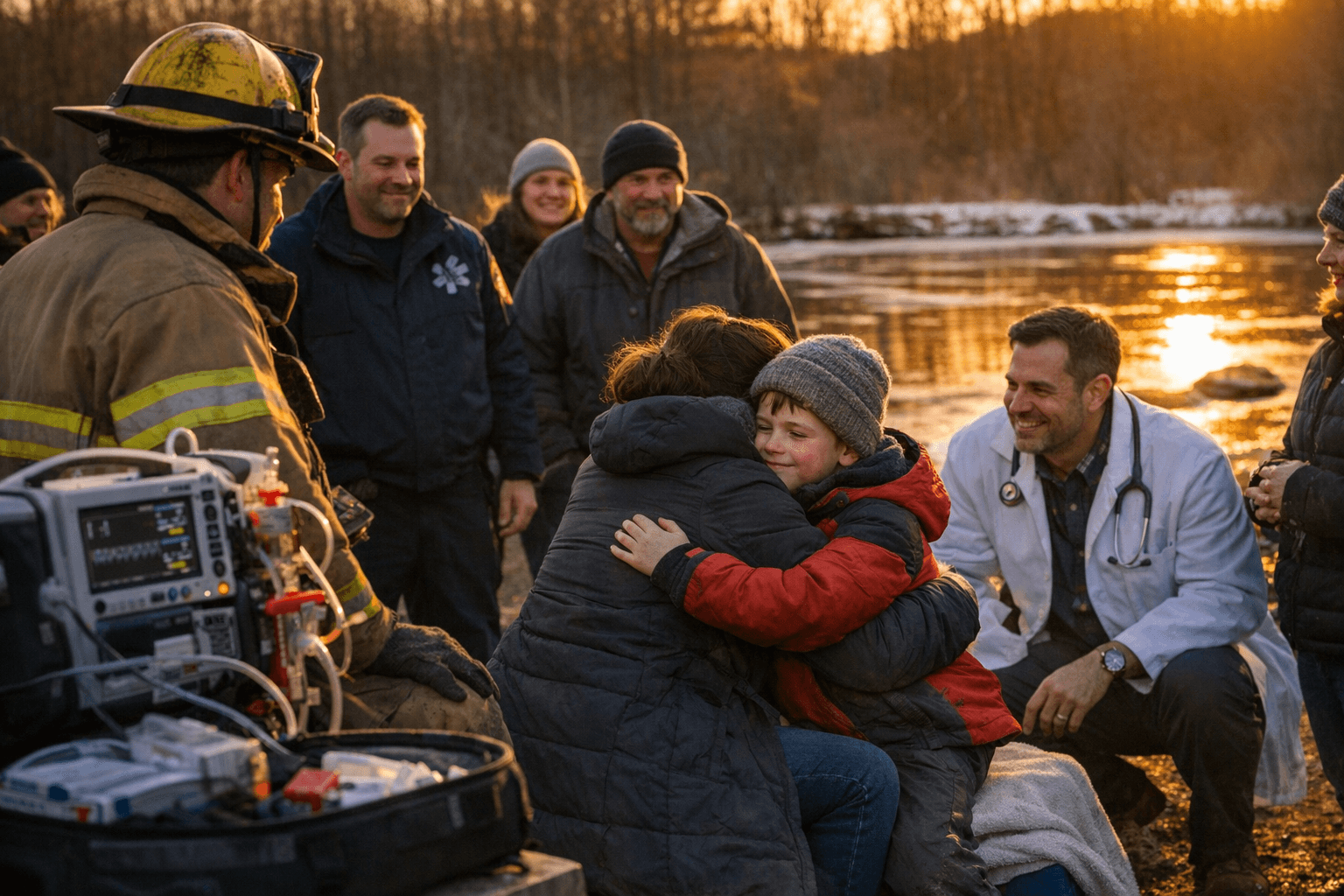
An 8-year-old boy in central Pennsylvania fell through broken pond ice, spent as long as 177 minutes underwater, and still recovered after CPR and ECMO rewarming, a survival that his doctors described as extraordinary. He had gone outside to play in December wearing boots and a snow jacket, followed sled tracks onto the ice in 27°F weather, and vanished beneath the water for at least 147 minutes.
The case, detailed in a 2025 JACC Case Reports paper, places the child’s nadir peripheral body temperature at 7°C, or 45°F, with a body weight of 26 kg. After the rescue, he underwent prolonged hospitalization and neurorehabilitation before recovering. The authors said the case represented the longest submersion time and the lowest nadir body temperature survived in the medical literature.
What made survival possible was not anything resembling a voluntary ice-bath routine. This was accidental, severe hypothermia, the kind that can trigger the mammalian dive reflex. In cold-water immersion, that reflex can produce apnea, bradycardia, and vasoconstriction, shunting blood toward the heart and brain and helping slow organ damage long enough for resuscitation. In this child’s case, that physiologic protection appears to have bought time until extracorporeal support could take over.
ECMO, or extracorporeal membrane oxygenation, then rewarmed him. The report says extracorporeal rewarming may be considered for upward of 2.5 hours of asystolic hypothermia, a striking benchmark for emergency teams facing prolonged cold-water arrests. The boy’s recovery also renewed discussion about how far extracorporeal support can go in preserving organs, and whether it can bridge to pediatric organ donation if neurologic recovery does not occur.

Local emergency calls first surfaced on December 6, 2024, when Pennsylvania State Police responded to a residence in Canton Borough, Bradford County, after an 8-year-old boy fell through ice into a pond and was reported in critical condition. The published case later identified the child as living in central Pennsylvania and tied the timeline together through parental, prehospital, and EMS records.
The episode sits at the intersection of modern drowning and hypothermia care. The 2024 American Heart Association and American Academy of Pediatrics drowning guidance updated pediatric resuscitation recommendations, while the Extracorporeal Life Support Organization provides consensus-based guidance for ECMO and extracorporeal life support in severe hypothermia. For clinicians, the boy’s recovery stands as a rare example of how deep cold can both imperil and, in the narrowest window, preserve life.
Know something we missed? Have a correction or additional information?
Submit a Tip