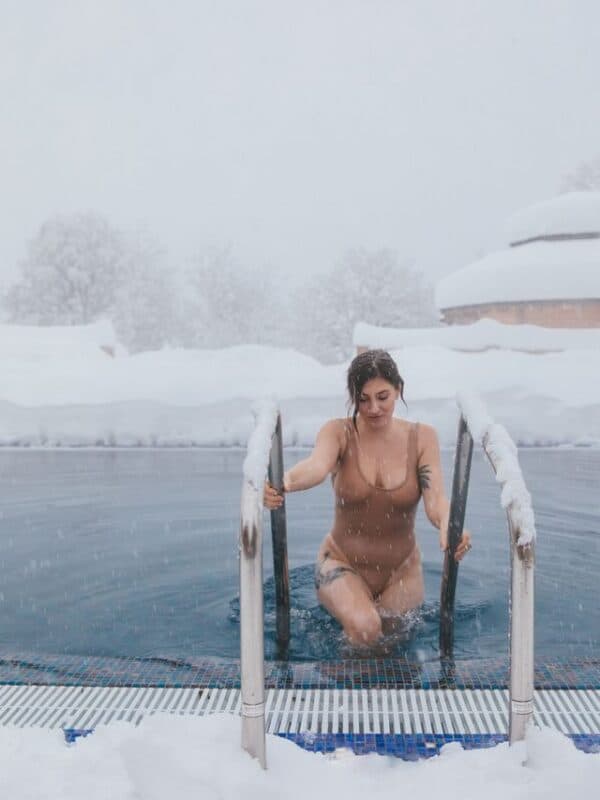
South London saunas and ice baths turn recovery into a social ritual
South London’s sauna map now runs from under-£10 wood-fired sessions to Brixton plunge clubs, turning recovery into a neighborhood habit. Southwark alone has 13 saunas.
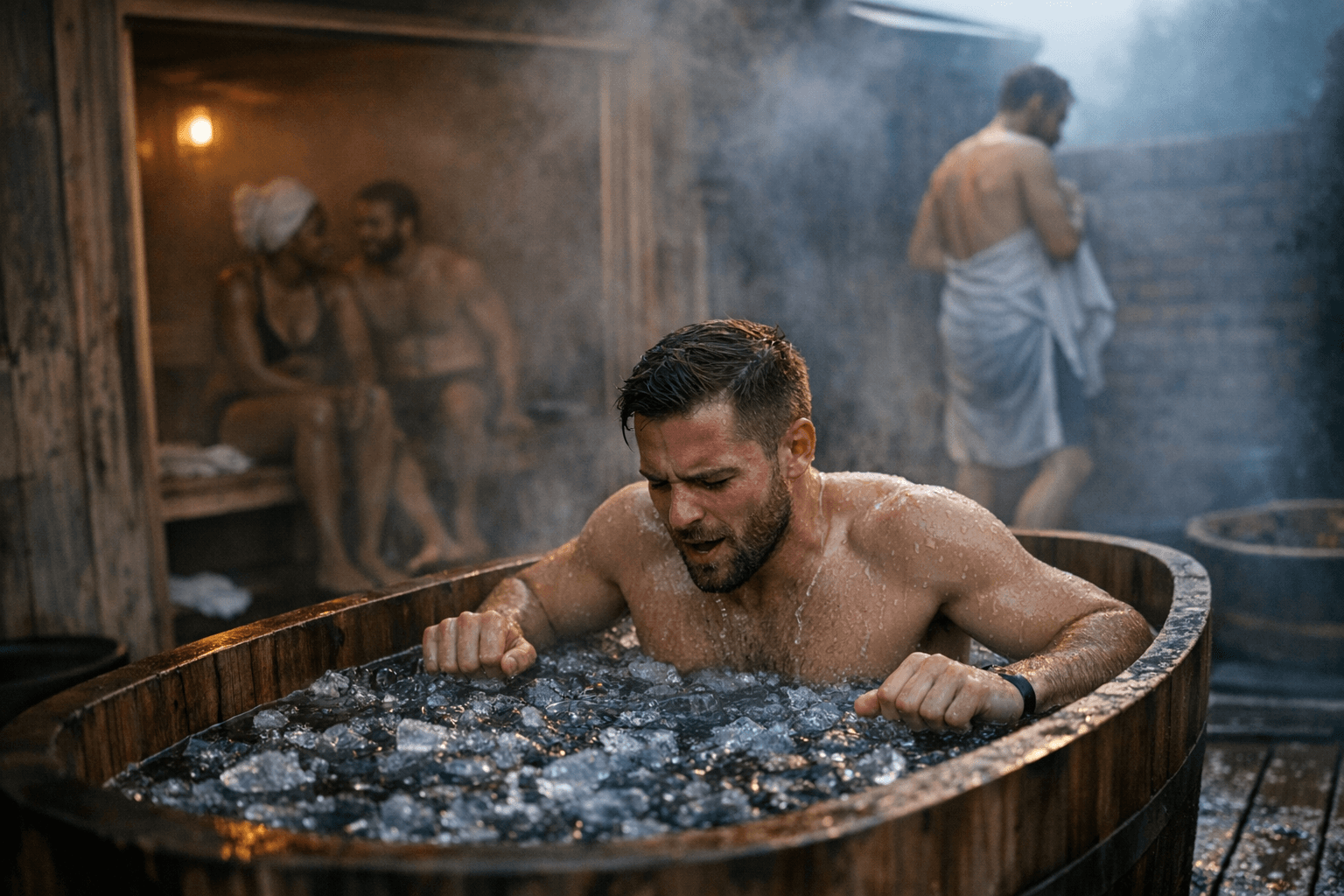
From niche ritual to neighborhood habit
South London’s sauna-and-ice-bath scene no longer feels like a secret for hardcore recovery people. The range now stretches from sessions under £10 an hour to more polished Nordic-inspired setups with ice baths, yoga, and other wellness add-ons, which makes contrast therapy look less like an indulgence and more like something you can slot into ordinary city life.
That shift matters because the appeal is no longer just physical. These places are built for meeting friends, settling into a routine, and taking part in the Finnish-style rhythm of moving between heat and cold. In South London, the hobby is starting to look map-able in the same way people map coffee roasters, climbing walls, or local run clubs.
Why South London fits the boom
The numbers tell their own story. A 2026 London sauna guide counted 252 saunas, steam rooms, and thermal experiences across the capital, and a separate Southwark guide said the borough has 13 saunas, making it South London’s most sauna-dense borough. That concentration gives the area something many wellness trends never get: density, choice, and enough overlap between venues that trying contrast therapy does not require a big commitment.
That accessibility is part of the category’s growth. Oxford Brookes University has pointed to rising interest in cold water immersion and heat exposure as affordable portable ice baths spread, which helps explain why the practice is moving out of elite spa culture and into neighborhood routines. South London is becoming a practical entry point for beginners because the scene offers variety without demanding a home setup or a luxury membership.
What the spaces feel like
Urban Heat Sauna in Camberwell captures the neighborhood-first version of the trend. It describes itself as a community-focused sauna and cold plunge space, and its setting in a converted railway arch gives it a rare mix of shelter and openness. High ceilings, natural light, and an outdoor area make the experience feel social rather than sealed off, and the venue serves a wider patch of South London that includes Peckham, Dulwich, Herne Hill, and Brixton.
The setup is built around contrast without making it feel intimidating. Urban Heat lists a 15-seat Finnish-style electric sauna and two outdoor ice baths at different temperatures, which lets newcomers ease into the cold instead of treating every plunge like a test of nerve. It also leans into the cultural side of the practice with yoga, sound healing, and breathwork workshops, so the space reads as a shared ritual site as much as a recovery stop.
Brixton’s more packaged version of the same idea
Rooftop Saunas Brixton shows how the scene is being packaged for people who want the ritual with a little more polish. The venue offers private sauna cabins, cold plunge pools, and a cool-down room with tea, coffee, and other amenities, turning a session into something closer to a compact social outing than a workout add-on. Its pricing is clear and approachable too, with 60-minute sessions from £16.50 per person and 90-minute sessions from £22 per person.
The cold itself is part of the draw. Rooftop Saunas Brixton says its plunge pools sit at 5 to 7°C, which puts the experience squarely in the range that contrast devotees expect without pushing the model into novelty territory. For people trying the hobby for the first time, the combination of short session lengths, private cabins, and a built-in cooldown space lowers the friction that often keeps wellness trends out of everyday reach.
The community layer is what makes it stick
Community Sauna Baths has helped give the whole movement a stronger social backbone. The not-for-profit launched in 2021 and now operates multiple London sites, including Ruskin Park in South London, which opened in April 2025. That site includes three saunas, multiple plunge pools, treatment space, accessible toilets, and hot showers, the kind of practical infrastructure that makes repeat visits easier for a much broader range of people.
Its programming also goes well beyond sweating and plunging. Community Sauna Baths says its events can include yoga, breathwork, sound baths, storytelling, and queer poetry, which helps explain why these spaces feel woven into local culture rather than imported as a wellness fad. Its award-winning social prescribing scheme is just as telling, offering 10 free sauna sessions to people referred through NHS link workers or trusted charities, a model that pushes the experience closer to public health and community access than luxury leisure.
Why the interest keeps growing
The science and the culture are feeding each other. A systematic review in PLOS One found that cold-water immersion at 15°C or below may affect psychological, cognitive, and physiological outcomes in healthy adults, which helps explain why the practice has traction beyond simple trend-chasing. The appeal is not only that people feel recovered after a session, but that the ritual itself is being talked about as something with measurable effects.
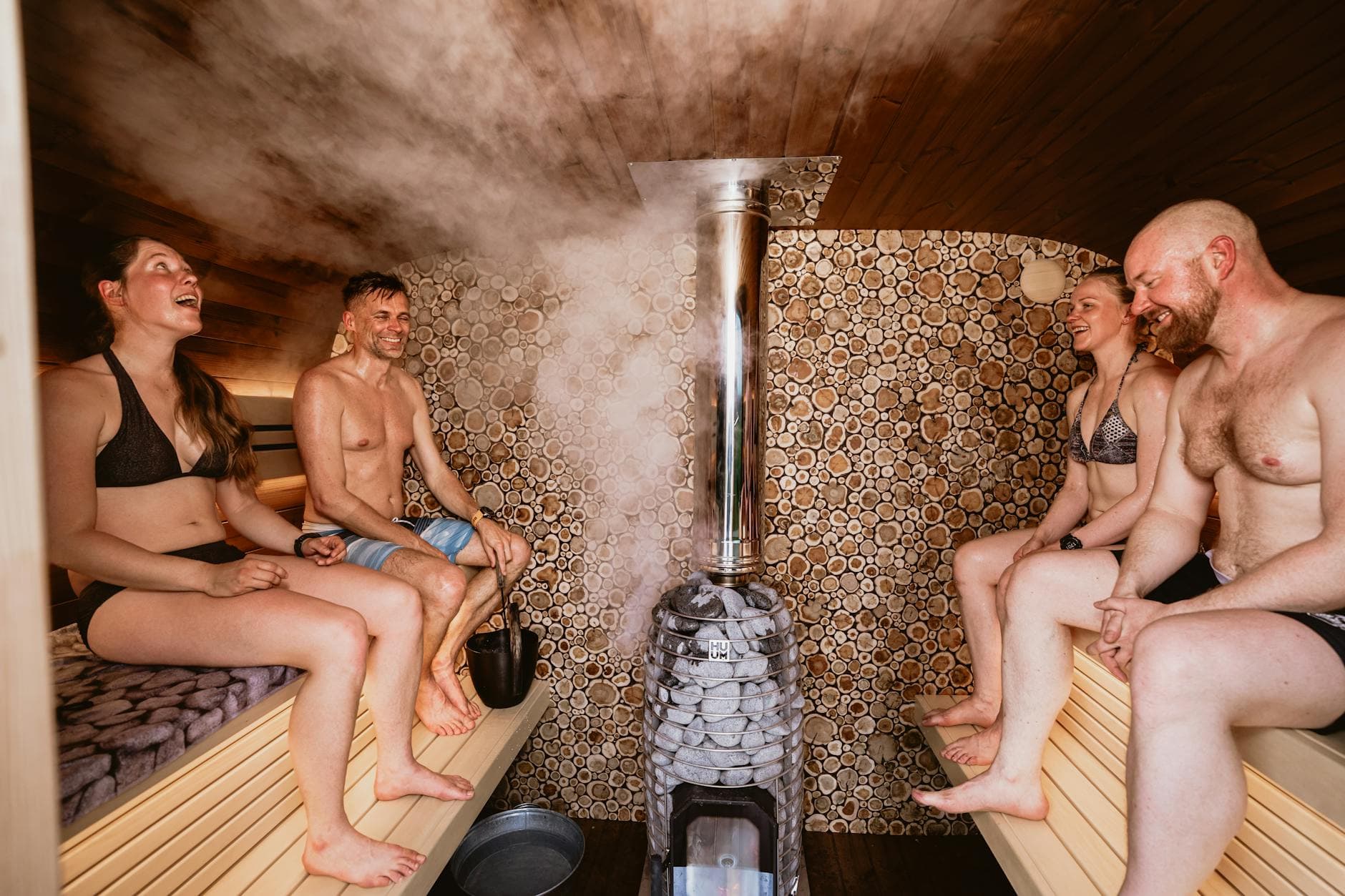
At the same time, the format suits urban life. A session can be short, relatively affordable, and layered with social time, which is exactly why the scene is spreading in boroughs like Southwark and Brixton. The most durable part of the boom may be that it works as both habit and hangout: you can show up for the plunge, but you stay because the room, the people, and the routine make sense together.
The line between welcoming and demanding
Even as the scene becomes more accessible, it has not become consequence-free. The British Sauna Society warns that moving between hot and cold environments can raise heart rate, change blood pressure, and cause light-headedness or fainting, especially for people who are new to cold-water exposure or dehydrated. That caution is part of the story too, because the best operators are not selling extremes; they are making contrast therapy feel usable, social, and repeatable.
That is what makes South London interesting right now. It is not just following a national wellness trend, it is turning it into a neighborhood habit with real geography, clear pricing, and spaces that feel designed for beginners as much as regulars. In a borough where the sauna count is already deep and the options keep multiplying, recovery is becoming one more way the city organizes community.
This article was produced by Prism’s automated news system from verified source data, official records, and press releases, then run through automated quality and moderation checks before publishing. The system is built and supervised by the people who set the standards it runs under. Read our full AI policy.
Did this article answer your question?