Prince George’s County Deputies Endure Ice Bath Trial for Polar Plunge Fundraiser
Two Prince George's County deputies sat in an ice bath for nearly five minutes as a trial run to promote the Polar Bear Plunge raising money for Special Olympics athletes.
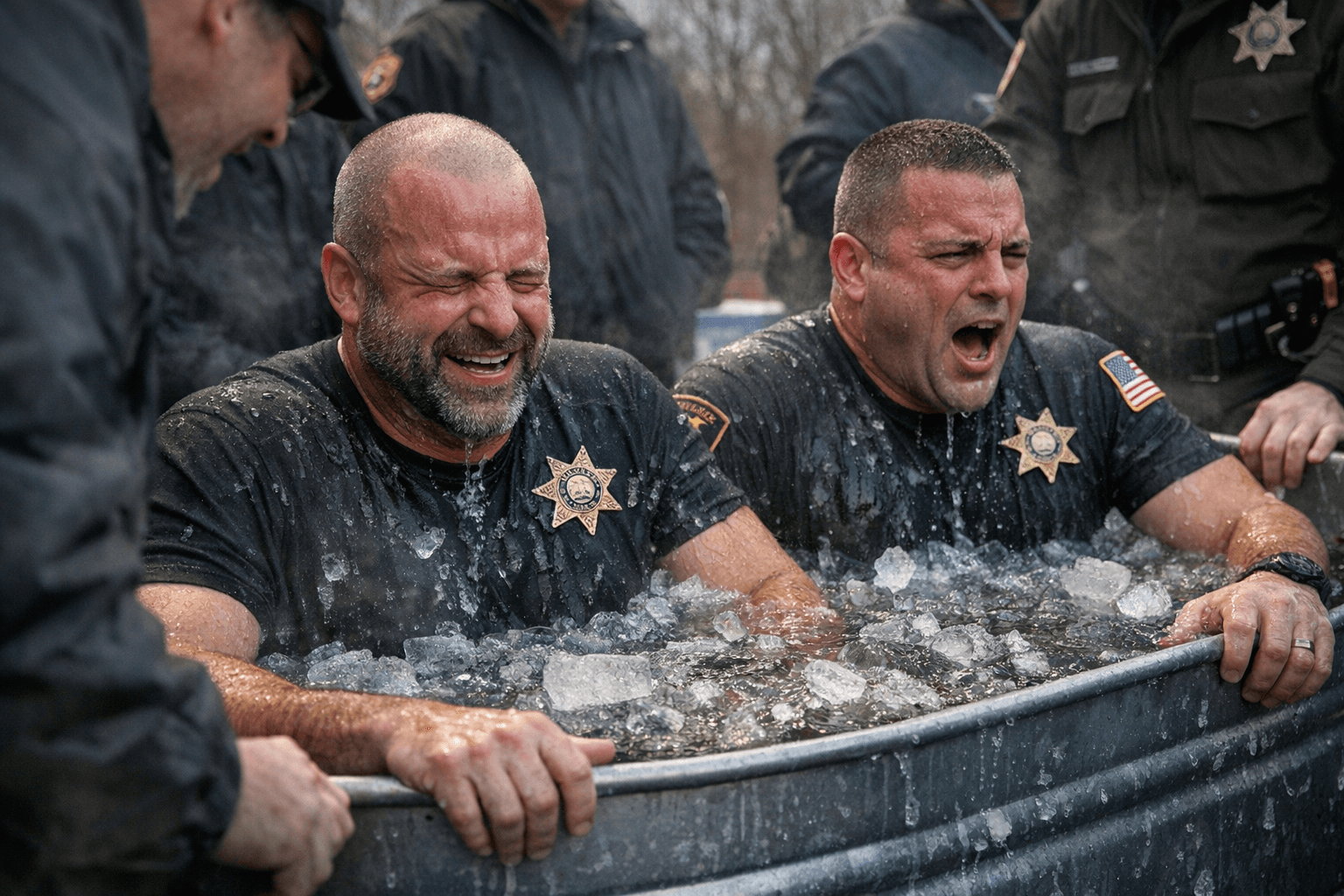
Two Prince George’s County deputies took the plunge in a staged ice-bath demonstration on Jan. 23, sitting in freezing water for nearly five minutes as part of a "Freeze for a Good Cause" trial ahead of the Maryland Polar Bear Plunge. The effort was designed to spotlight the Chesapeake Bay event scheduled for Jan. 30 and to boost fundraising for Special Olympics athletes.
Deputies Talmadge Jackson and Sterling Smith led the demonstration. The stunt was intentionally uncomfortable and public-facing, a way to show what a plunge feels like while encouraging community members to register or donate. Sterling Smith, who has participated in the Polar Bear Plunge for 14 years, underscored the personal commitment many local supporters bring to the annual charity effort.
The practical takeaway for readers is twofold: the demonstration is a recruitment tool for the Jan. 30 Chesapeake Bay plunge, and it doubles as a safety and preparation example for first-time plungers. Nearly five minutes of cold exposure is a significant period for anyone new to cold-water immersion. Community members planning to jump should treat the experience seriously: seek medical clearance if there are cardiac or respiratory concerns, limit initial dips, have a dedicated spotter or safety team on hand, and plan a warm, staged re-entry with towels, blankets, and warm fluids.
The Polar Bear Plunge is a community fundraiser that depends on local participation and donations. Law enforcement involvement like Jackson’s and Smith’s provides visibility and normalizes the cold-exposure ritual for families, clubs, and first-time plungers. For organizers, a visible trial run helps communicate conditions participants can expect in Chesapeake Bay - water temperature, the shock of sudden immersion, and the logistical needs for post-plunge recovery.
For people who have never plunged, practice with shorter cold showers or brief tub dips before facing open water. For seasoned cold-water regulars, the deputies’ nearly five-minute trial is a reminder to respect cold stress and maintain buddy systems, clear exit routes, and a plan for warming up quickly.
The upcoming Chesapeake Bay plunge on Jan. 30 will be the next public test of community turnout and fundraising energy. Deputies Jackson and Smith used their trial to signal that public servants are among those backing Special Olympics athletes, and that plunges remain a lively, communal way to give back. If you plan to join, prioritize safety, recruit donors, and treat the dip as both a chilly personal challenge and a meaningful way to support local athletes.
This article was produced by Prism’s automated news system from verified source data, official records, and press releases, then run through automated quality and moderation checks before publishing. The system is built and supervised by the people who set the standards it runs under. Read our full AI policy.
Did this article answer your question?