Reporter tests ice bath limits as body goes numb near record mark
A record chase ends in numbness, and the useful ice bath lesson is blunt: beyond a short, controlled plunge, the risk climbs faster than the payoff.

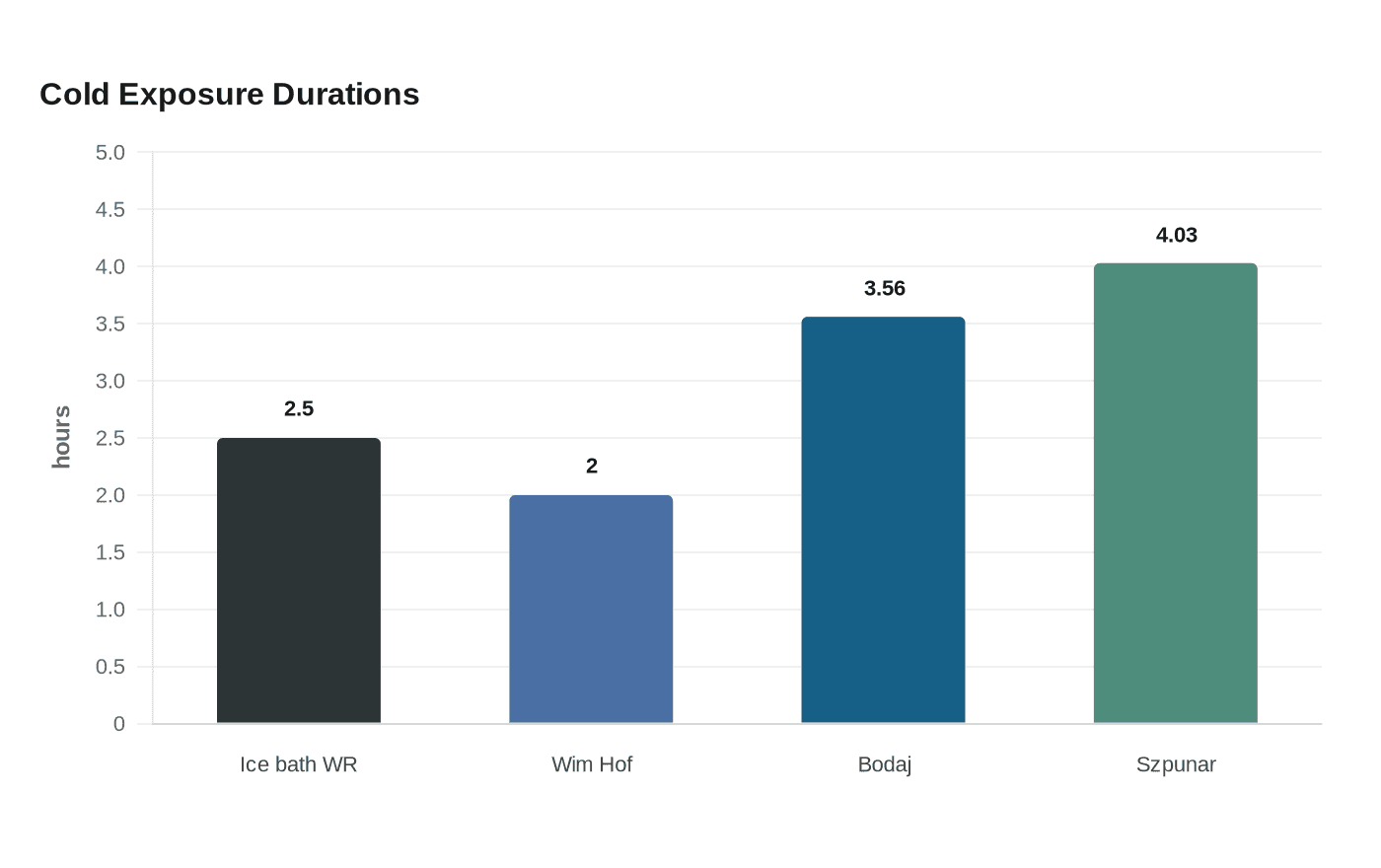
The ice bath world record sits at nearly two and a half hours, but the more useful number for ordinary plunges is much smaller. In a failed push toward that mark, the reporter’s body went numb by the next day, which is exactly the point where a cold dip stops being a wellness flex and starts looking like a bad bet.
The record chase exposes the myth
Ice baths are tailor-made for the internet because they are simple, dramatic, and easy to misunderstand. The viral version says longer is tougher, and tougher must be better. The reality in this story says something else: once you push past a controlled exposure, the body does not award bonus points for stubbornness.
That’s why the failed record attempt works as a better guide than another glossy recovery post. It draws a line between performative endurance, the kind that chases a number for its own sake, and a useful at-home practice, where the real win is getting the exposure, then getting out before cold starts running the session.
The elite numbers are not a home template
The biggest cold-plunge headlines are built around people who have trained for extremes. Guinness World Records says Wim Hof holds multiple records for resisting extreme cold, developed the Wim Hof Method around breathwork, cold therapy, and commitment, and has spent nearly two hours in ice water. Guinness also says he has broken Guinness records 18 times and set 26 world records overall.
Those numbers matter because they show how narrow the gap is between fascination and specialization. Maria Bodaj’s current female full-body ice-contact record stands at 3:33:33, set in Poland in 2025. Łukasz Szpunar went even longer in 2024 with a full-body ice-contact mark of 4 hours and 2 minutes. Those are elite feats, not a target for anyone trying to recover after a workout or test a tub at home.

The lesson is not that cold exposure has no place. It is that elite cold tolerance comes from conditioning, pacing, and a very different risk tolerance than the one you want in a garage, backyard, or portable tub.
Where the benefits likely stop
The research base is still limited, even as cold plunging keeps getting more popular. A 2025 systematic review in PLOS One says cold-water immersion studies in healthy adults remain narrow and use a range of protocols, often at 15°C, or 59°F, and colder for at least 30 seconds. That matters because the internet treats ice baths like they have one magic dose, when the evidence says the picture is still messy.
University of Portsmouth researchers have said the likely upside is modest and short-lived muscle soreness relief. They also say the louder claims about mental health, testosterone, and weight loss are not backed by strong evidence and are often inflated by influencers. Harvard Health has been just as plain about the supposed benefits for stress relief, sleep, and immunity, saying they are not well proven.
So the practical takeaway is narrow but useful: if you feel a little less sore after a cold plunge, that may be real. If someone promises a hormonal reset, a fat-loss hack, or a mental health cure because you sat in a tub long enough, that is where the story starts drifting away from evidence.
How to build a safer at-home routine
If you want the cold without turning the session into a stunt, the routine has to be designed around control, not tolerance contests. The American Heart Association says water pulls heat from the body about 25 times faster than air, which is why cold immersion changes the game so quickly. It can trigger rapid breathing, involuntary gasping, and spikes in heart rate and blood pressure, and some studies have even found elevated troponin levels in winter swimmers, which raises concern about heart-muscle stress.
1. Keep the session short. Harvard Health says hypothermia can begin within minutes in water below 65°F, and recommends a maximum of 15 minutes.
That is the ceiling, not the goal.
2. Never do it alone. Harvard Health is explicit on that point.
If you are new to cold plunging, having another person nearby is not overkill, it is basic risk control.
3. Treat numbness as a warning, not a milestone. The body going numb is not a badge of honor.
It is a sign that cold exposure is no longer feeling athletic or restorative and is starting to push into danger.
4. Watch your breathing and coordination. The American Heart Association warns that sudden immersion can bring rapid breathing and involuntary gasping, and in some cases loss of coordination.
When the session starts changing the way you breathe or move, it is time to get out.
Mayo Clinic adds a final blunt point: immersion in cold water is a common cause of hypothermia. That is why the safest routine is usually the least cinematic one, a short, supervised plunge with an exit plan before the water starts winning.
The record chase ended the way these things often do, not with a lesson in toughness but with a reminder that numbness is not progress. The nearly two-and-a-half-hour mark is impressive, but for an ordinary plunge, the smarter goal is to stay well inside the line where cold still feels controlled, useful, and not remotely heroic.
This article was produced by Prism’s automated news system from verified source data, official records, and press releases, then run through automated quality and moderation checks before publishing. The system is built and supervised by the people who set the standards it runs under. Read our full AI policy.
Did this article answer your question?