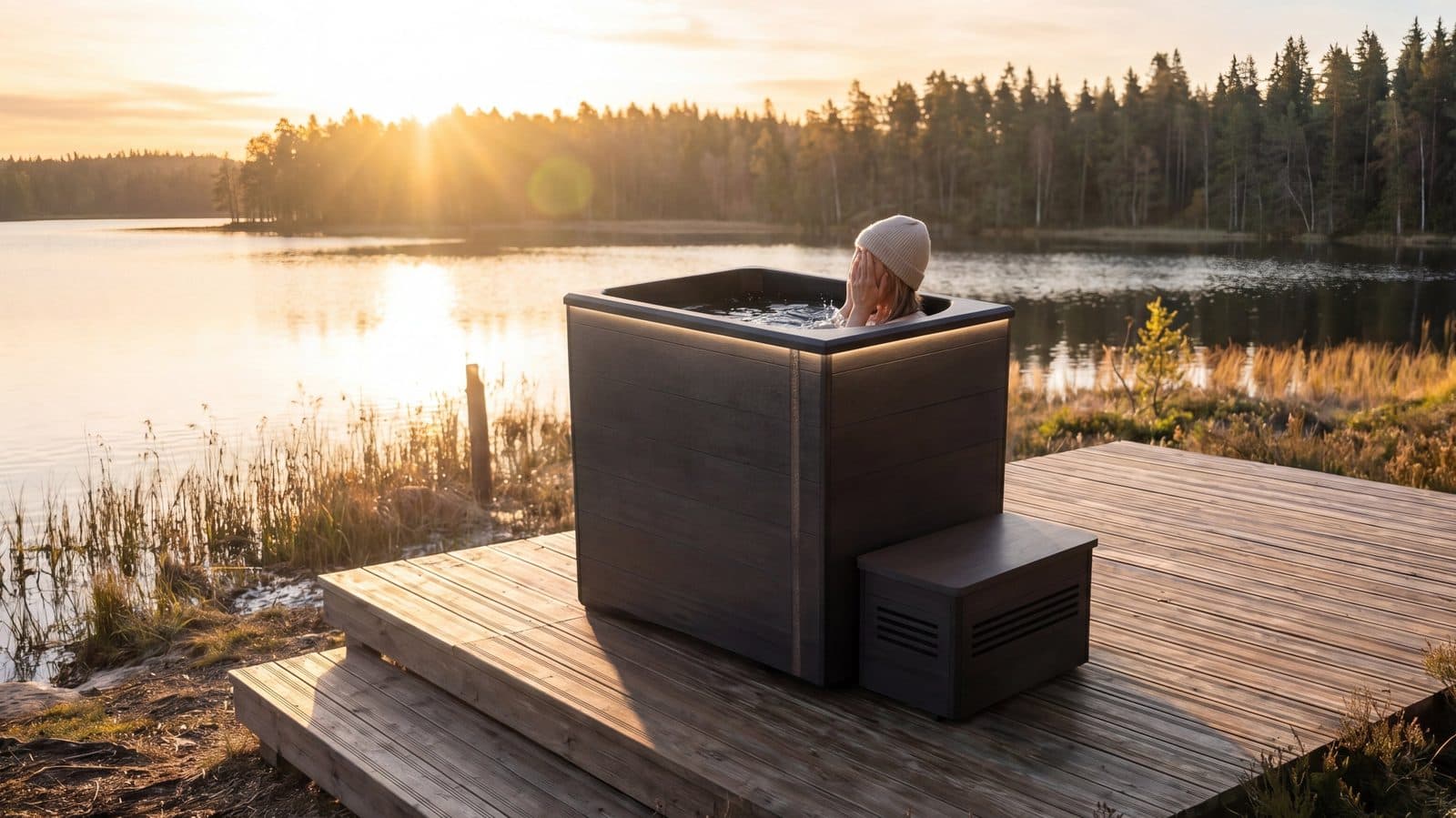
Short cold showers pitched as practical New Year wellness habit
Short cold showers and brief plunges are being promoted as manageable ways to boost immune response, mood, and stress resilience this year. Start small and focus on breathing.
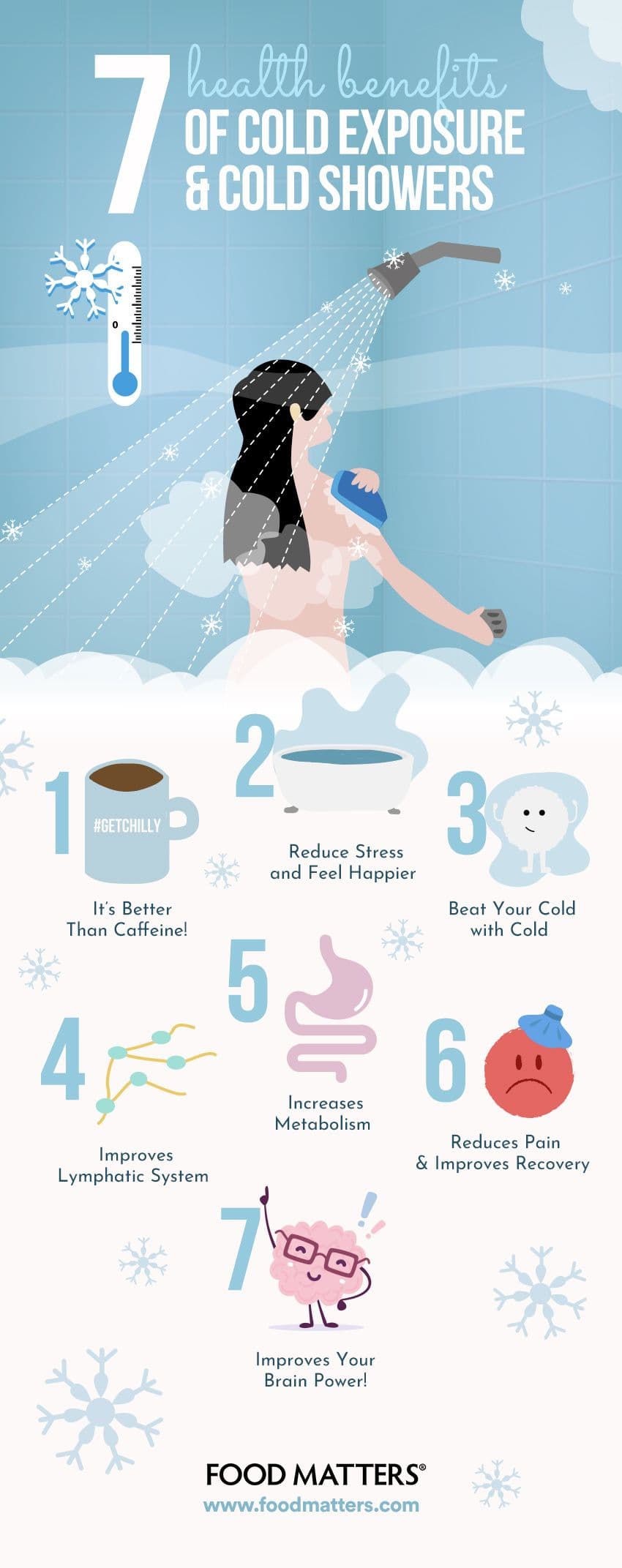
A growing push to make cold exposure an accessible New Year habit is reframing cold plunges and cold-ending showers as small, practical steps with measurable upside. Advocates point to links with immune outcomes, reduced inflammation, and improved mood and stress resilience, and they are giving clear, hands-on advice for how to begin without turning your bathroom into an endurance trial.
The appeal is simple: not everyone can buy a tub or join a plunge crew, but almost everyone can finish a shower with a cold rinse. Practical starters recommended include short cold endings to showers, building from about 30 seconds up to a couple minutes over days or weeks. The emphasis is on incremental exposure and controlled breathing rather than maximal pain tolerance. Breathing focus not only makes the experience more tolerable but also plays into the physiological response proponents highlight.
Physiological explanations focus on brown fat activation and shifts in dopamine and adrenaline as mechanisms that could explain improvements in mood, metabolism, and immune markers. Recent studies have linked cold showers to changes in immune outcomes, though benefits appear tied to consistent, measured exposure rather than sporadic extreme sessions. Enthusiasts often cite broader methods popularized by figures like Wim Hof, but community guidance is leaning toward modest, repeatable routines rather than instant conversion to long plunges.
Safety guidance runs through every recommendation. Don’t overdo it: avoid very long exposures, stop if you feel dizzy or unwell, and allow your body to acclimate gradually. Older adults and people with cardiovascular issues are advised to consult a medical professional before adding cold exposure to their routine. For community organizers running group dips or open plunge sessions, clear pre-plunge screening and on-site supervision reduce risk and help newcomers acclimate.
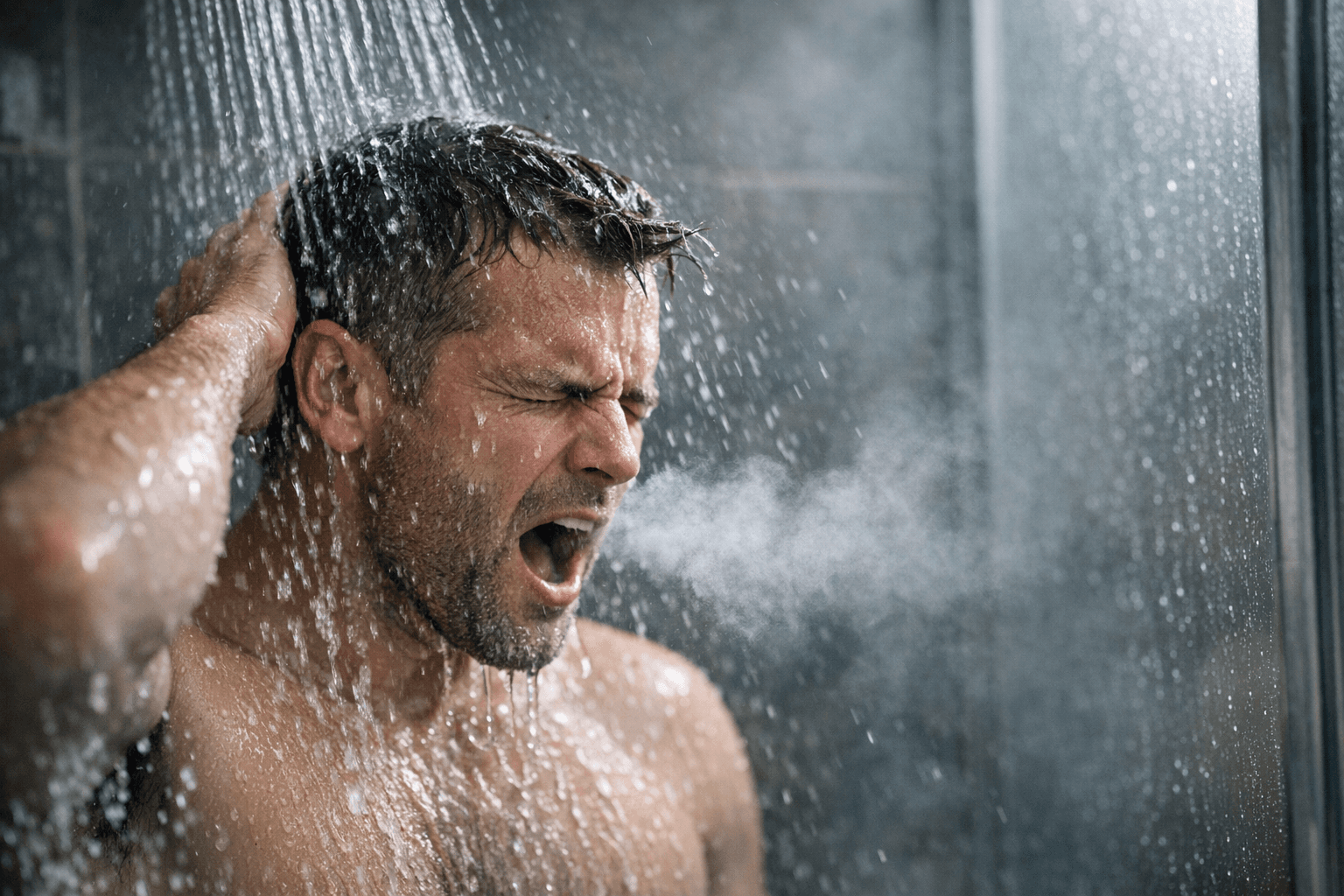
For people without a dedicated plunge tub, the utility is immediate. Cold endings to showers are low-cost, low-commitment practice that can be done at home. Community baths and local gyms can capitalize on interest by offering supervised cold plunge slots, guided breathwork before entry, and beginner sessions that prioritize safety and progression.
Our two cents? Treat the cold like training weight: load slowly, respect your limits, and prioritize breathing. Start with short, controlled exposures, track how you feel over weeks, and let consistency, not bravado, drive benefits.
Know something we missed? Have a correction or additional information?
Submit a Tip