Study questions cold plunge dopamine claims and safety risks
A Caltech neuroscientist is calling the viral 250% dopamine stat a plasma-reading mix-up, while newer reviews still flag real muscle and heart tradeoffs.
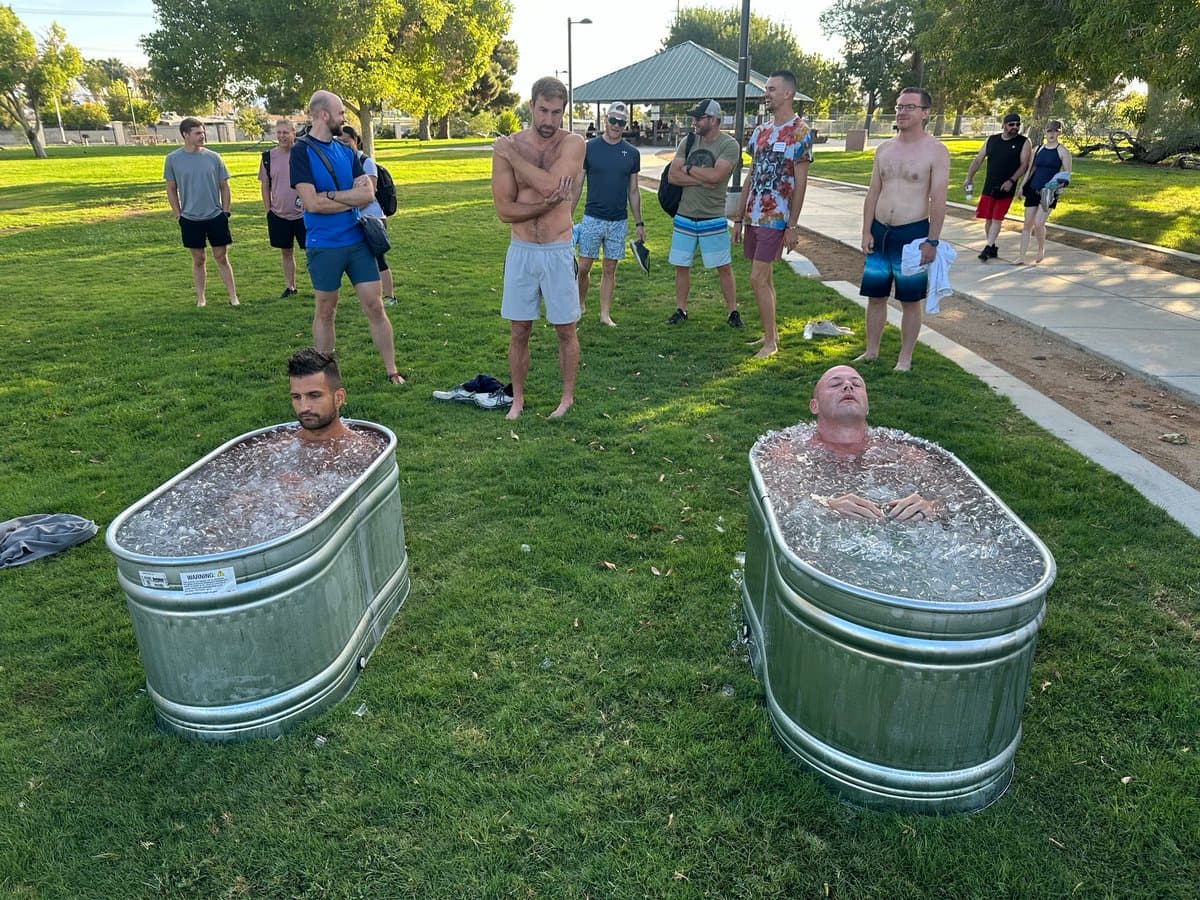
Steven Quartz is taking aim at one of cold plunging’s most repeated promises: the idea that an ice bath can drive a 250% dopamine surge. The California Institute of Technology neuroscientist says that headline rests on a misunderstanding of what was measured, and the distinction matters for anyone treating a plunge as a brain hack instead of a stressor with real costs.
The claim traces back to a small 2000 study in the European Journal of Applied Physiology, where 10 healthy young men did 1-hour head-out immersions in water at 14°C, 20°C and 32°C. The study was designed to separate the effects of cold and hydrostatic pressure on hormone and cardiovascular function, but the famous dopamine number came from plasma blood measurements, not a direct readout of dopamine inside the brain. That leaves a lot less certainty than the internet version suggests.

Quartz’s broader warning is simple enough for regular plungers to use: stop assuming the dopamine story proves a major mental-health or performance payoff. He has also argued that cold plunges may be performative, can blunt muscle growth, and may carry cardiac risks. That challenge lands at a time when cold exposure has moved from fringe biohacking into commercial gym floors, spa menus and influencer feeds, where it is sold as a shortcut to mood, focus, recovery and resilience.

The caution is not just about hype. A 1996 study found that a single 1-hour cold-water immersion at 14°C increased sympathetic activity and altered plasma hormone concentrations in healthy young athletes, which shows the body is responding hard even when the dopamine headline is overblown. More recent reviews point in the same direction on tradeoffs: a 2024 systematic review and meta-analysis found post-exercise cold water immersion likely reduces hypertrophy gains compared with resistance training alone.
Safety remains the other big fault line. A 2023 systematic review said cold water immersion can trigger cold shock, hyperventilation, cardiac arrhythmias and a higher drowning risk when safety behavior breaks down. A 2024 cardiovascular review said the acute effects and cardiac risks are still underexplored, and Harvard Health also flagged possible heart concerns. Andrew Huberman’s cold-exposure guidance still treats deliberate cold exposure as a stressor that can raise catecholamines such as dopamine and norepinephrine, but he warns against combining immersion with hyperventilation.
The practical takeaway is narrower than the mythology. Cold plunges can still be a useful stress dose, but the 250% dopamine line should not be treated like settled science, and it should not be confused with proof that the method is harmless, brain-boosting or universally restorative. For everyday plungers, the real question is not whether the water is cold enough to sound impressive, but whether the ritual is delivering a benefit worth the muscle and safety tradeoffs.
This article was produced by Prism’s automated news system from verified source data, official records, and press releases, then run through automated quality and moderation checks before publishing. The system is built and supervised by the people who set the standards it runs under. Read our full AI policy.
Did this article answer your question?