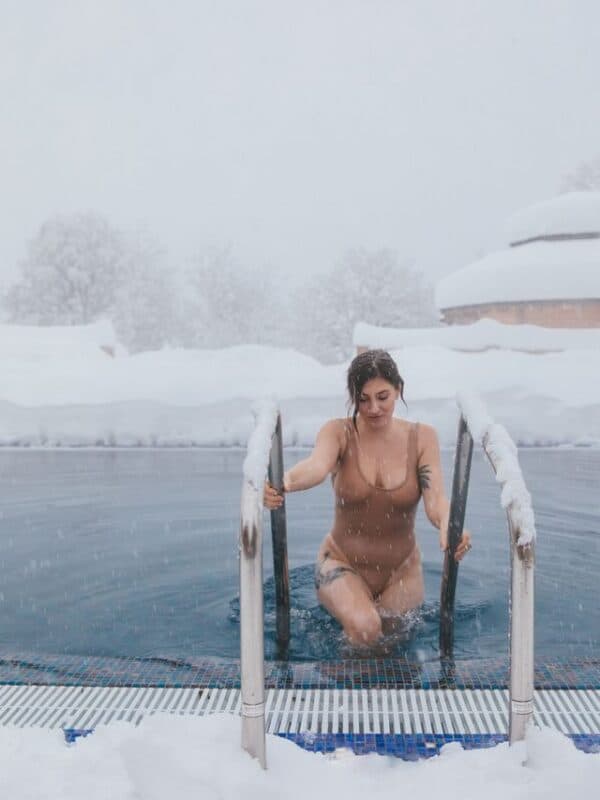
Time Out spotlights cold-water swimming as a mainstream wellness travel trend
Cold-water swimming is no longer a fringe brag. Time Out’s travel framing shows how it’s become a wellness trip, and a social one, not just a plunge.
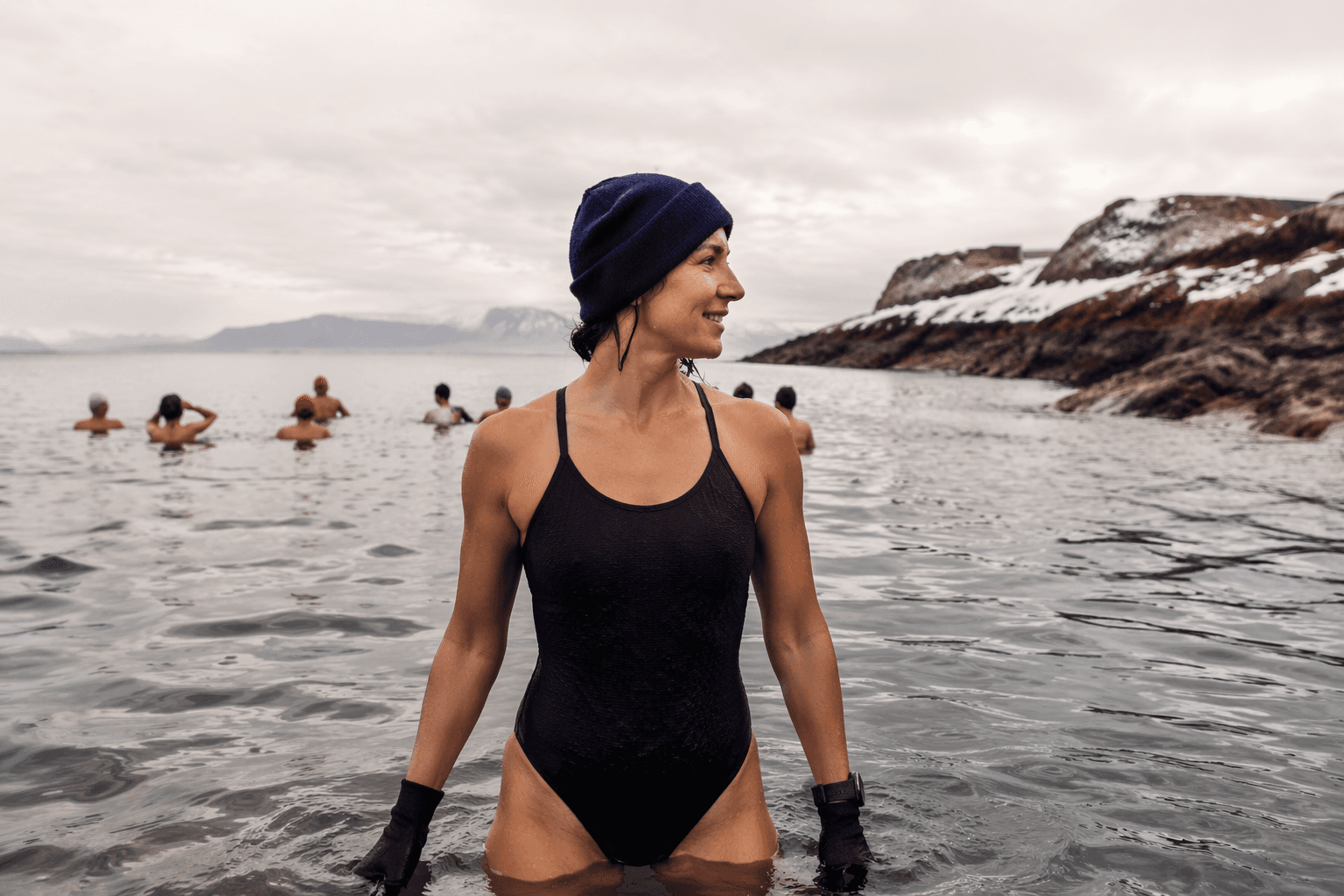
Cold water has gone from hardcore ritual to bookable experience
The new cold-water travel wave is not really about suffering anymore. Time Out’s latest spotlight turns wild swimming into a mainstream wellness destination story, and the sharpest clue is the search data: UK searches for “wild swimming” jumped 90 percent in the month covered by the piece. That is the kind of spike you see when a habit moves out of a niche endurance lane and into the general wellness conversation.
What’s changed is the packaging. Instead of selling cold dips as a test of grit, the piece treats them like part of a bigger recovery-and-travel circuit, where scenery, mood, and shareability matter as much as the water temperature. That shift says a lot about where the ice bath world is headed: less private torture chamber, more curated experience.
What the ranking is really measuring
The ranking behind the story comes from Icewear’s Hot and Cold Therapy Index, which looked at more than 54,000 Google reviews across more than 60 locations. Other coverage says the review set was limited to English-language reviews for consistency, and that the index manually filtered for words like “authentic,” “relaxing,” “transformative,” and “invigorating.” That matters, because this is not a pure geography or temperature ranking. It is measuring emotional payoff.
In practice, that means the index is probably rewarding places that feel cinematic, accessible, and legible to travelers, not just places with the coldest water. The winners are the spots that make people write like they had an experience, not just a swim. That is a very different brief from a strict athlete’s cold-plunge checklist.
Why the top picks tell the real story
Lake Bled in Slovenia comes in first, and Moraine Lake in Banff National Park, Canada, follows in second. Those two names tell you almost everything about the logic of the list: dramatic landscapes, glacier-fed water, and a built-in sense of emotional payoff. In other words, the destination is doing a lot of the work before you even get in.
That is the key divide in this kind of ranking. A genuinely good cold-swim destination usually combines water quality, safe entry, clear conditions, and a reason to linger afterward, whether that is a shoreline walk, a sauna, or a small local community that actually swims there. A travel-marketed destination often leans harder on the view, the reputation, and the camera angle. The best places offer all of it; the overhyped ones mainly sell the postcard.
What to look for beyond the pretty water
A cold-water spot should earn its place by more than aesthetics. If the water is scenic but the access is awkward, the conditions are unpredictable, or the site exists mostly as an Instagram backdrop, you are looking at a travel asset, not necessarily a great swim. The places worth the trip tend to have a repeat user base, a practical way in and out, and enough local familiarity that the experience feels grounded rather than staged.
- Can you get in and out safely without improvising?
- Do people actually swim there regularly, or just photograph it?
- Is there a clear seasonal pattern and local guidance?
- Does the place feel welcoming to swimmers, not just visitors?
A simple test helps:
That last one matters more than it sounds. The best cold-water destinations usually have some sense of community around them, even if it is informal. The worst ones feel like the landscape is only there to be consumed.
The wellness case is real, but it is still being argued
Cold-water immersion is not a new invention dressed up for travel. Washington State Department of Health guidance says the practice has existed for millennia, even if the reported benefits are still debated. That long history explains why the current boom feels more like a revival than a trend invented from nothing. The commercial layer is new; the underlying ritual is ancient.

There is also some modern evidence feeding the surge. A 2025 meta-analysis summarized by ScienceDaily examined 11 studies with 3,177 participants and found that cold-water immersion may lower stress, improve sleep quality, and improve quality of life. That is not the same thing as a cure-all, and it should not be treated like one. But it does help explain why cold dips now sit comfortably alongside mobility work, breathwork, and the rest of the recovery stack.
The safety side is not optional
The safety warnings need to stay louder than the marketing. The National Weather Service says cold-water immersion can trigger cold shock, with gasping and rapid breathing, and the danger applies to any body of cold water, including oceans, lakes, rivers, streams, or pools. That is a reminder that the risk is not limited to wild, remote places; it exists wherever the water is cold enough to shock the body.
The CDC adds another layer: natural bodies of water bring hazards beyond temperature alone, including drowning risk and other safety issues. That means the open-water version of the trend carries more complexity than a home plunge tub or a supervised commercial setup. If the destination is selling serenity, make sure the site also respects the realities of exposure, entry, exit, and changing conditions.
Why this trend keeps spreading
The broader swimming base is already huge. Swim England says 12.5 million adults in England swam in the last 12 months, 6.81 million swam in open water or outdoor pools, and 2.45 million specifically prefer open water. Those are not fringe numbers. They show that the cold-water travel boom is rising on top of an existing mass habit, not trying to create one from scratch.
That is why a ranking like this lands so well now. It does not just sell a swim; it sells a version of recovery that feels outdoor, social, and aspirational. For a lot of people, the point is no longer just to tolerate the cold. It is to come out feeling reset, and to do it somewhere that looks and feels like the reward.
This article was produced by Prism’s automated news system from verified source data, official records, and press releases, then run through automated quality and moderation checks before publishing. The system is built and supervised by the people who set the standards it runs under. Read our full AI policy.
Did this article answer your question?