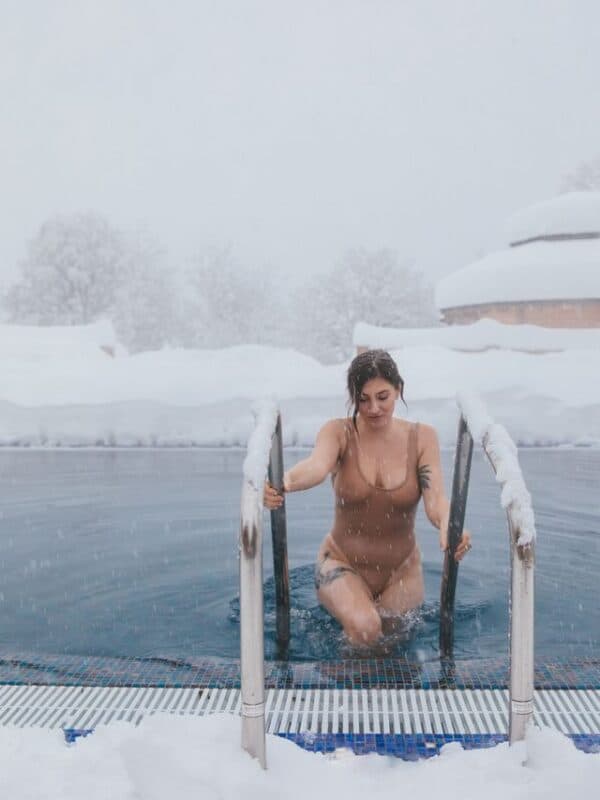
Tokyo shrine ice bath highlights cultural roots of cold plunges
Participants at a Tokyo shrine took an ice-cold bath to purify their souls for the New Year, a reminder that cold immersion practices extend beyond gyms and wellness trends.
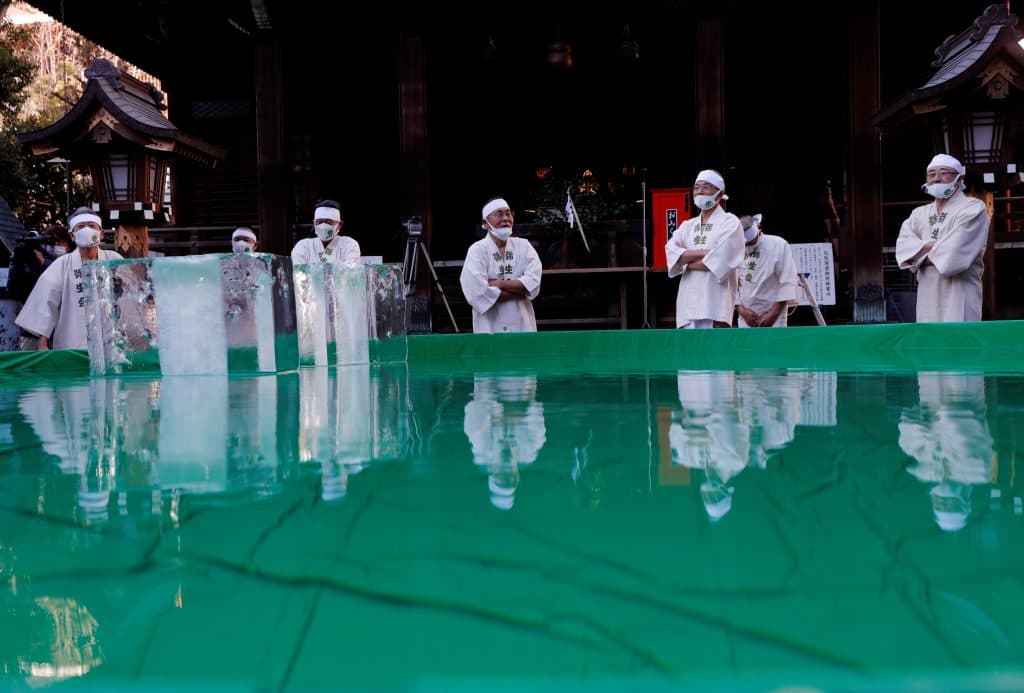
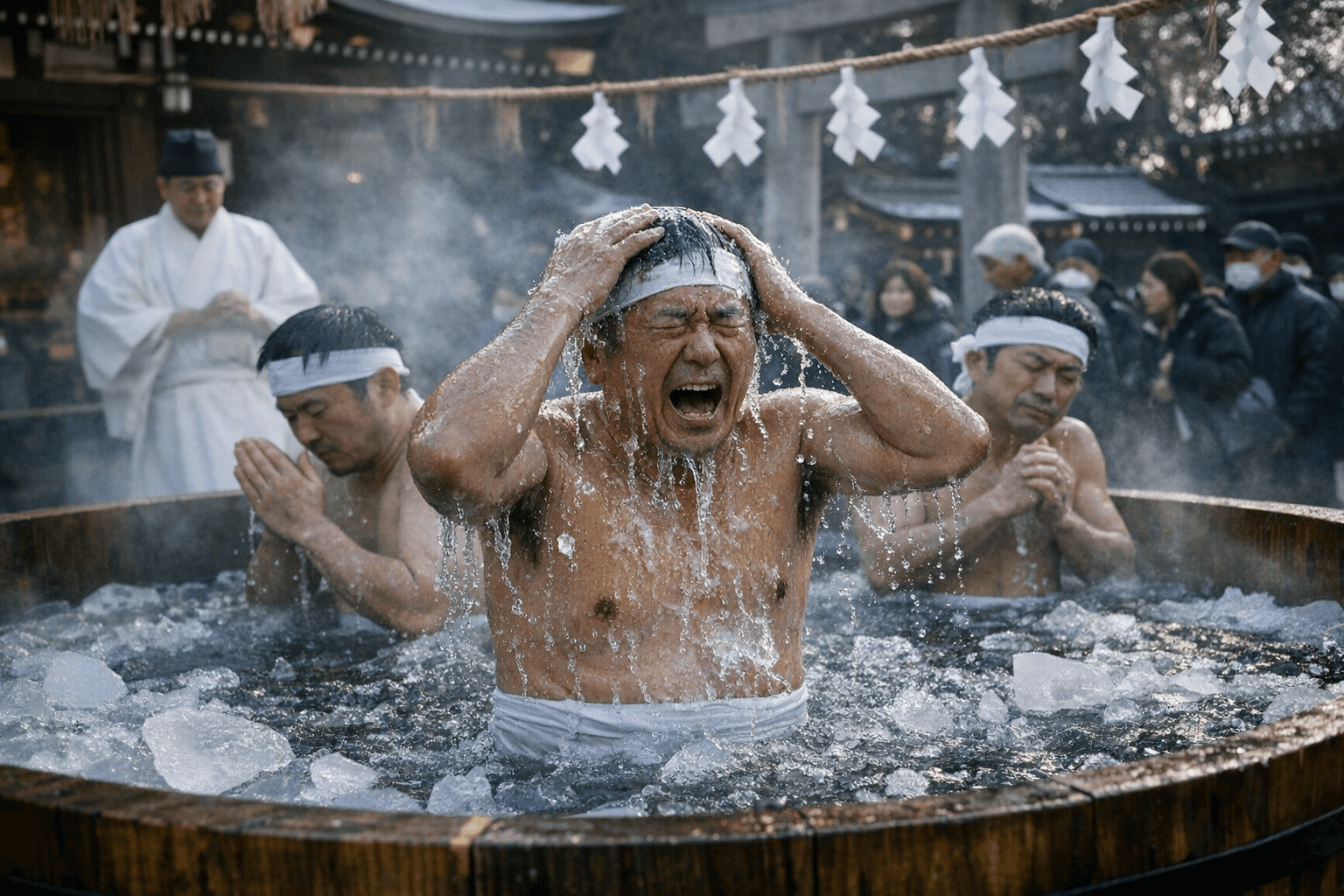
On Jan. 11, participants at the Teppozu Inari shrine in Tokyo stepped into ice-cold water as part of a New Year purification ceremony, using ritual cold immersion to pray and cleanse for the year ahead. The event offers a clear cultural counterpoint to the rising popularity of cold plunges in gyms and wellness circles, showing cold-water practice as a spiritual and communal act as well as a performance of resilience.
Rituals like the one at Teppozu Inari emphasize intention, community and reverence rather than personal performance metrics. Participants gathered in a shared space, focused on purification and prayer, which reframes the plunge from an individual biohack into a collective practice tied to tradition and seasonal observance. For the wider cold bath community this matters: it reminds plungers that the practice has diverse meanings and that cultural context shapes how immersion is experienced.
The practical takeaway for anyone who takes regular plunges or organizes public dips is to respect setting and purpose. When cold immersion is embedded in a spiritual ritual, etiquette and local norms guide behavior. Observe the flow of the event, follow instructions from organizers, and be mindful of nonverbal cues that signal when to enter or leave the water. The communal aspect also creates shared safety: partners, stewards or organizers who watch for signs of hypothermia or distress keep events accessible and safer for newcomers.
Safety remains paramount whether a plunge is spiritual or athletic. If you plan to attend a public ritual or participate in an outdoor dip this winter, check your health status first if you have heart or circulatory concerns. Dress for quick changes afterward, arrange a warm beverage and a dry robe or towel nearby, and limit immersion time if you are unfamiliar with the conditions. Use a buddy system; communal rituals often supply an informal safety net, but don’t rely on it alone.
For community organizers, the shrine event underlines the power of framing. Rituals that center shared meaning and clear rules tend to engage a broader cross-section of the public, from stamina-focused regulars to people seeking spiritual renewal. Clear briefings, warm-up routines, designated monitors and post-plunge recovery areas make events inclusive and reduce risk.
Our two cents? Treat the plunge like a conversation with the water and the people around you. Respect tradition, prepare for cold, and bring a calm, steady breath, whether you’re chasing recovery, a thrill, or a clean start to the year.
This article was produced by Prism’s automated news system from verified source data, official records, and press releases, then run through automated quality and moderation checks before publishing. The system is built and supervised by the people who set the standards it runs under. Read our full AI policy.
Did this article answer your question?