Viral Oregon Zoo polar bear video highlights climate change conservation effort
Kallik’s ice-water tumble went viral, but the Oregon Zoo used the clip to spotlight polar bear genetics, climate pressure and a species survival plan.

A polar bear rolling happily in a tub of ice water was exactly the kind of clip that could race across TikTok on charm alone. The Oregon Zoo turned that easy share into something larger, using Kallik’s splashy moment to show how a cute cold plunge can carry a much harder conservation message.
Kallik, a 3-year-old male from the Saint Louis Zoo, first explored the Oregon Zoo’s Polar Passage habitat on Friday morning, Jan. 16, 2026. The zoo said his transfer was part of a plan to maintain a sustainable, genetically diverse polar bear population in the United States, an effort tied to the Polar Bear Population Alliance, a new consortium of accredited zoos and aquariums. Local reporting identified Kallik as a bear born Nov. 11, 2022, at the Toledo Zoo & Aquarium who moved to Saint Louis in 2025 with his twin brother, Kallu.
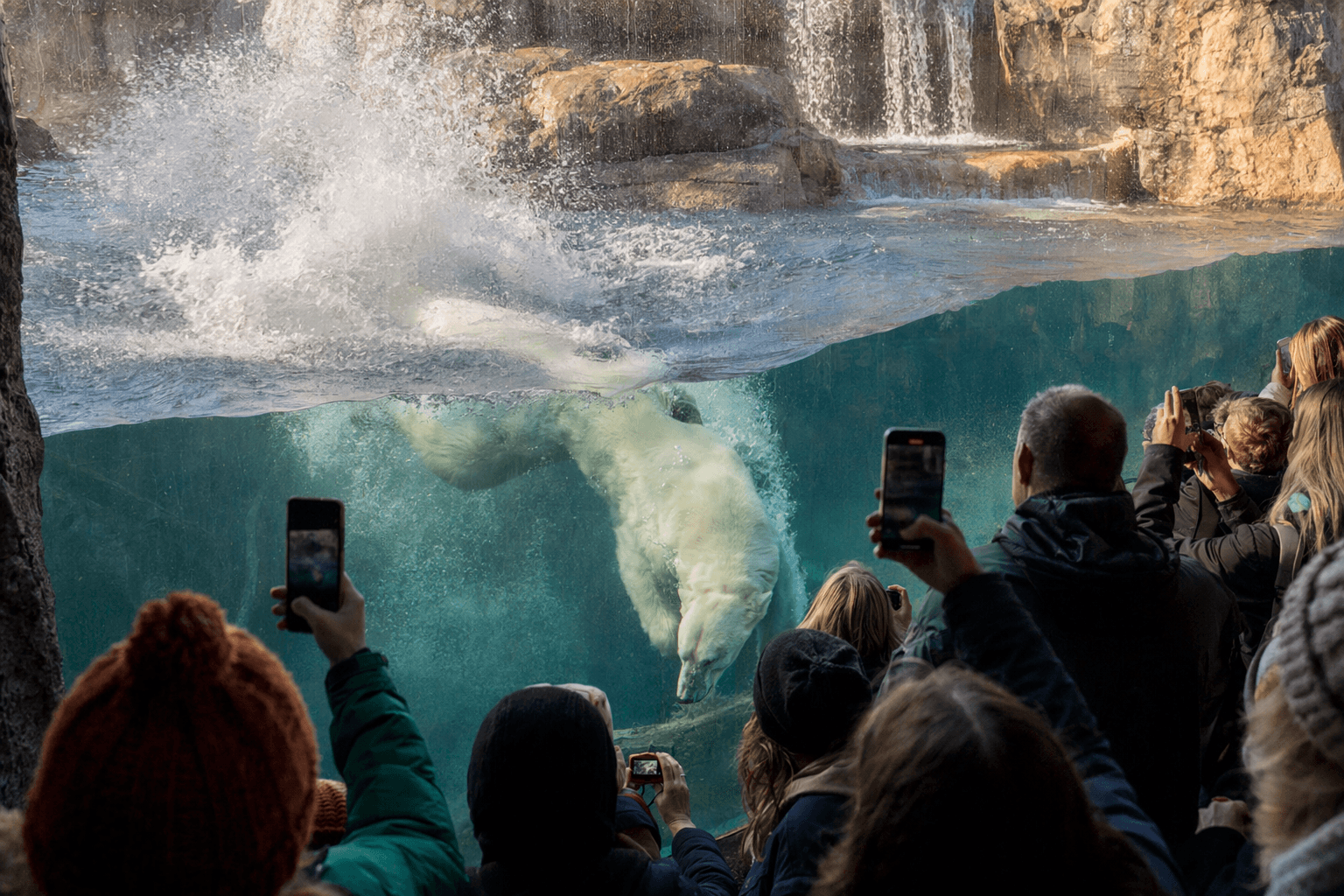
The viral footage worked because it looked like the purest version of ice-bath content: a big, powerful animal rolling, splashing and settling into the cold with complete ease. But the Oregon Zoo’s pitch was never just about the spectacle. Polar Passage replaced an older concrete basin with a more naturalistic landscape built around hills, rolling meadows, rock outcrops and saltwater pools, giving visitors a setting meant to connect animal care with conservation science.
That science has a deep history at the zoo. In 2012, Conrad and Tasul became the first polar bears trained to voluntarily provide blood samples there, a milestone that improved both welfare and veterinary treatment while opening the door to new research. Staffers later said they may have been the first in the world to draw blood from polar bears without anesthesia. That work helped establish the Oregon Zoo as a place where polar bears were not just displayed, but studied.
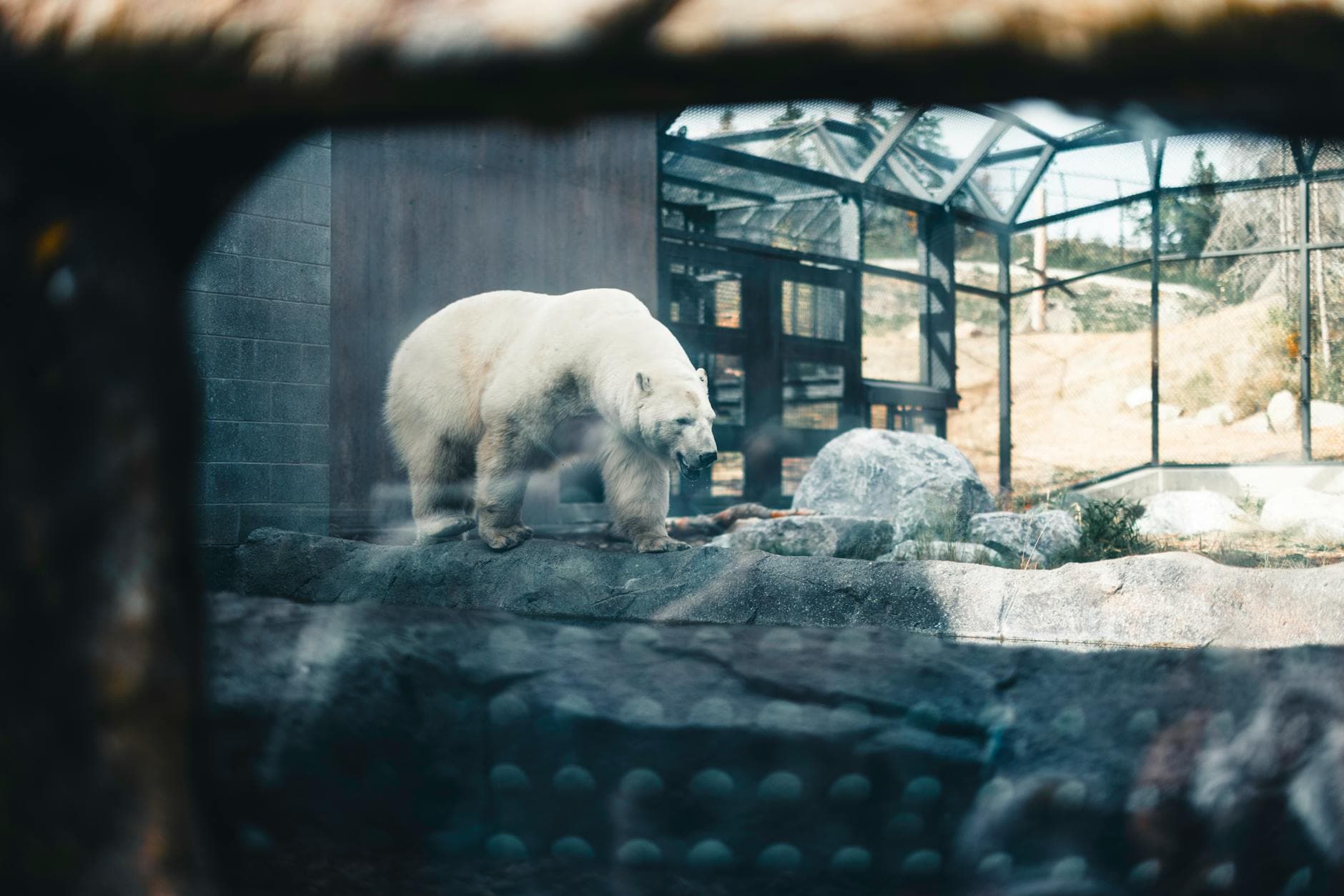
The conservation stakes reach far beyond Portland. The Oregon Zoo says polar bears range across about 1 million square miles of tundra and sea ice around the North Pole, and the zoo lists the species as threatened. As Arctic sea ice shrinks, Amy Cutting of Polar Bears International said bears in professional care can help scientists fill knowledge gaps about how climate change is affecting wild populations. Cutting has called zoo polar bears “Arctic ambassadors,” a fitting phrase for an animal whose viral ice bath became a gateway to a bigger story about genetics, habitat loss and what survival will require next.
Know something we missed? Have a correction or additional information?
Submit a Tip