Des Moines workshop expands kombucha into a hands-on tasting experience
Des Moines is turning kombucha into a tasting class, with jun and lacto-fermented sodas rounding out a hands-on night at the Botanical Garden.
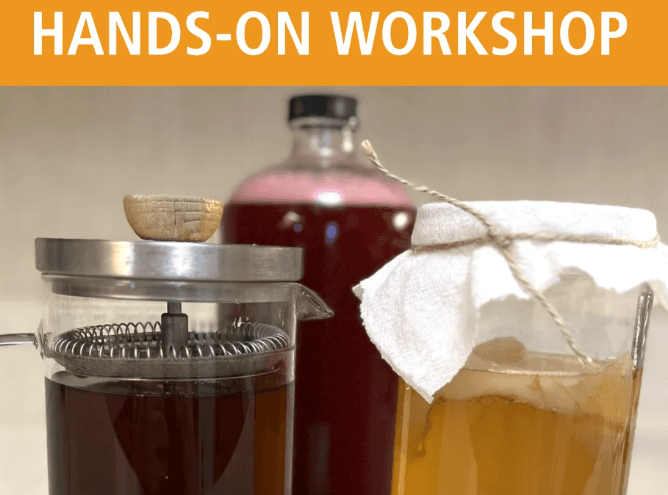
Downtown Des Moines is taking kombucha out of the “pour and sip” lane and putting it in a real fermentation workshop. On Thursday, June 18, 2026, Iowa Wildcraft leads “Kombucha, Jun, & Lacto-Fermented Sodas” at the Greater Des Moines Botanical Garden, 909 Robert D. Ray Drive, from 5:30 p.m. to 7:00 p.m.
A tasting lineup, not just a demo
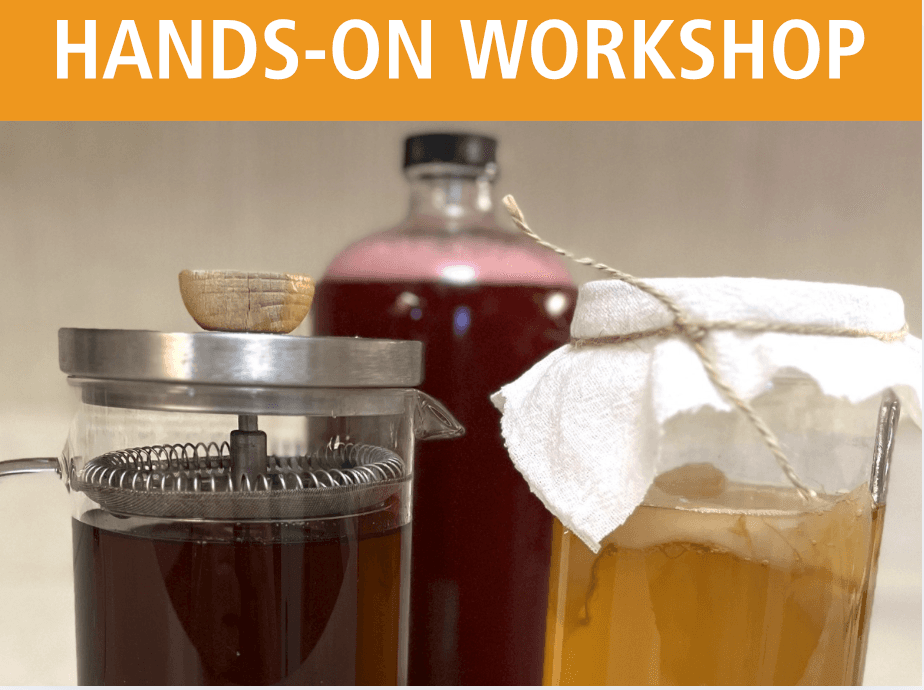
What makes this session worth attention is that it treats kombucha as one drink in a wider fermentation family. The Botanical Garden frames the class as a hands-on workshop where attendees get presentation, instruction, demonstration, recipes, a SCOBY, starter tea, and samples, plus admission to Music in the Garden afterward. That package matters because it lowers the usual barriers that keep home brewers stuck at the “watching videos and buying jars” stage.
The setup is also more ambitious than a casual meetup. The Botanical Garden’s listing says participants will take home everything needed to get started on their own, which is the kind of detail that turns a curiosity purchase into an actual brewing plan. For anyone who has ever bought a bottle of kombucha and wondered how close home fermentation really gets to that flavor, this is the kind of class that answers the question in the room instead of on a forum later that night.
Why the workshop widens the kombucha conversation
The smart part of the lineup is the way it expands kombucha into jun and lacto-fermented sodas without blurring the differences. Kombucha is the familiar anchor: a fermented tea beverage that has built its following around tang, effervescence, and the culture-driven process behind it. Jun sits nearby but not identically, usually described as a fermented tea made with green tea and honey rather than black tea and cane sugar, which gives it a lighter, more floral profile.
That distinction matters in practice. Jun often appeals to brewers who want the kombucha method without the deeper, maltier edge that black tea can bring. Lacto-fermented sodas pull the class even farther outward, since they rely on a different flavor-building path and tend to appeal to people who like bright acidity, fruit-forward profiles, and the idea that bubbles can come from microbial work instead of a soda machine. Put together, the three drinks form a useful map of what fermented beverages can taste like and how they behave in the jar.
What experienced brewers will notice
For people already making kombucha at home, the value here is comparison. Jun and lacto-fermented soda each force different decisions about sweetness, acidity, and fermentation timing, so one workshop can surface the technical choices that are easy to miss when you only make one style. That is especially useful if you have ever chased cleaner carbonation, softer acidity, or a less tea-heavy finish and wondered whether the answer was a new recipe or a different fermented drink altogether.
The class format also points to a more practical approach than the internet’s usual “just ferment until it tastes right” advice. Because attendees get recipes, starter tea, and samples, the workshop gives brewers a way to connect technique to flavor immediately. In kombucha, that kind of guided tasting is often the fastest way to understand why one batch lands sharp and fizzy while another turns flat, vinegary, or oddly muted.
Pricing, and the small wrinkle worth noting
The Botanical Garden and Greater Des Moines Partnership listings put the workshop at $90 for members and $100 for nonmembers. Bravo Greater Des Moines lists the same June 18 event at $50, so anyone comparing calendars will notice the discrepancy right away.
That difference does not change the shape of the experience, but it does change how you read it. At the Botanical Garden pricing, this is clearly positioned as a premium educational event, not a drop-in class. The inclusion of materials, samples, and Music in the Garden admission makes that easier to understand, especially for anyone who would otherwise spend money separately on a SCOBY, starter tea, and a ticket to the evening programming.
Why the garden setting works
The venue matters almost as much as the beverage list. Hosting fermentation work at the Greater Des Moines Botanical Garden, rather than in a storefront classroom or a private kitchen, places kombucha inside a broader food-and-sensory culture. That is a better fit for fermentation than people sometimes give it credit for. These drinks are about smell, taste, timing, and texture as much as they are about equipment.
The setting also folds the workshop into a bigger Thursday-night slate. The Botanical Garden’s June calendar shows Music in the Garden running from 6:00 p.m. to 9:00 p.m. on June 18, 2026, with the workshop ending at 7:00 p.m. That overlap makes the evening feel intentional: learn the beverage side first, then stay for the music and let the night keep moving.
The health conversation, with the usual caveat
Kombucha’s popularity has always been tied to wellness language, and the research backdrop reflects that. Peer-reviewed studies continue to describe kombucha as a fermented tea beverage that draws interest for possible antioxidant and gut-health-related benefits, while also stressing that recipes and brewing methods materially affect what ends up in the glass. Recent research also keeps returning to the same point: the promise is interesting, but stronger human clinical-trial evidence is still needed before anyone gets carried away.
That is one reason a hands-on workshop like this works so well for the community. It keeps the conversation grounded in process instead of hype. If you are brewing at home, the real advantage is not the marketing gloss around fermentation, it is learning how tea choice, sweetener choice, culture health, and technique shape the final drink.
A better way to think about the category
This workshop is useful because it refuses to treat kombucha as a single bottled product. By pairing it with jun and lacto-fermented sodas, Iowa Wildcraft and the Botanical Garden give the category room to breathe, taste, and branch out. Some people will leave wanting the floral lift of jun, some will gravitate toward the punchier logic of lacto-fermented soda, and some will simply come back to kombucha with a better sense of what their own palate actually wants.
That is the real hook here: the night starts with kombucha, but it ends with a much clearer picture of fermented drinks as a whole.
This article was produced by Prism’s automated news system from verified source data, official records, and press releases, then run through automated quality and moderation checks before publishing. The system is built and supervised by the people who set the standards it runs under. Read our full AI policy.
Did this article answer your question?