Thai medicinal plants produce functional kombucha with distinct antioxidant profiles
Four Thai medicinal plants all fermented into workable kombucha, but each one pushed a different antioxidant, phenolic, and alcohol profile.
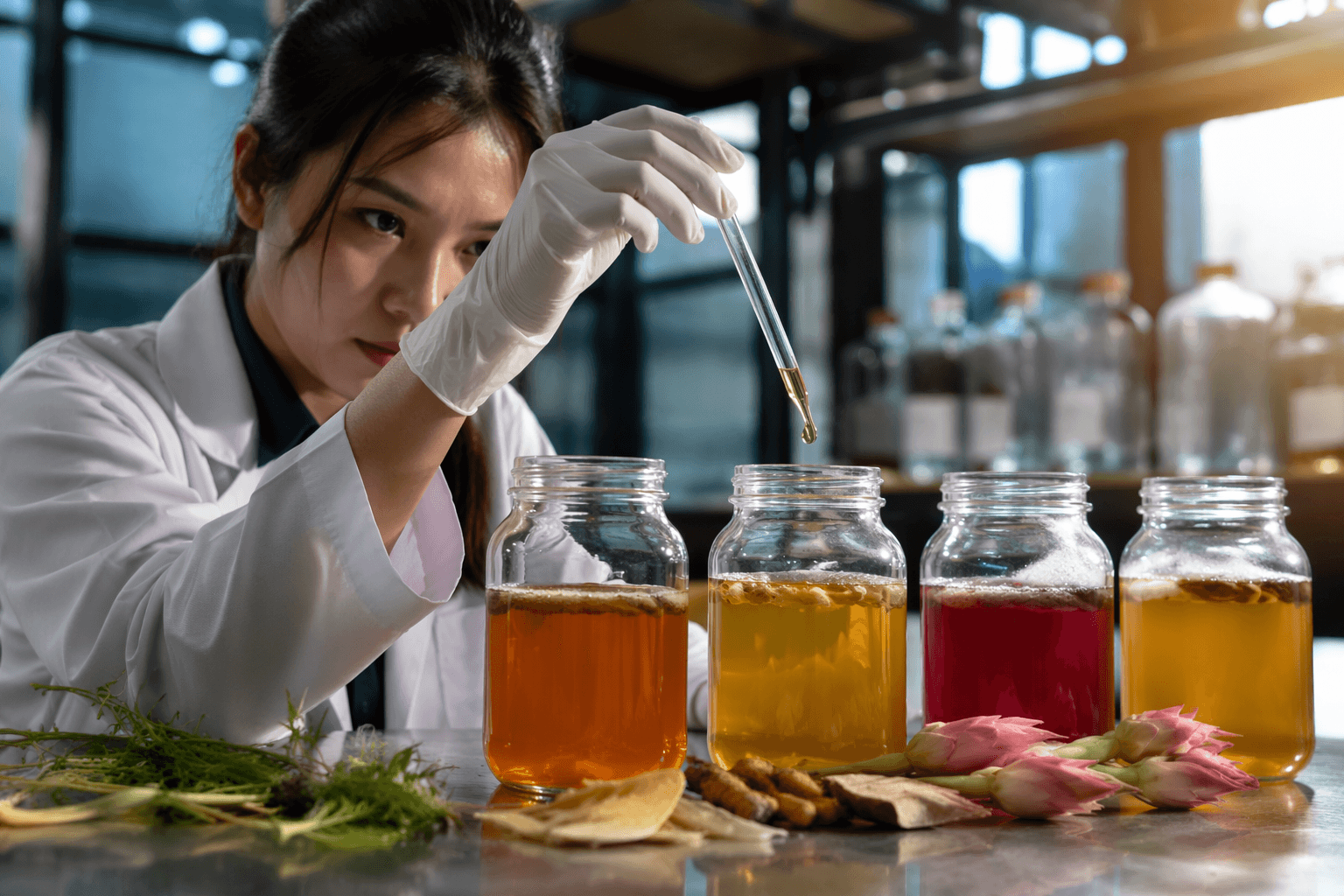
Four Thai medicinal plants, made into a 37% herbal tea concentrate, all fermented into functional kombucha, but each batch came out with its own chemistry and its own risk profile.
Why the base matters
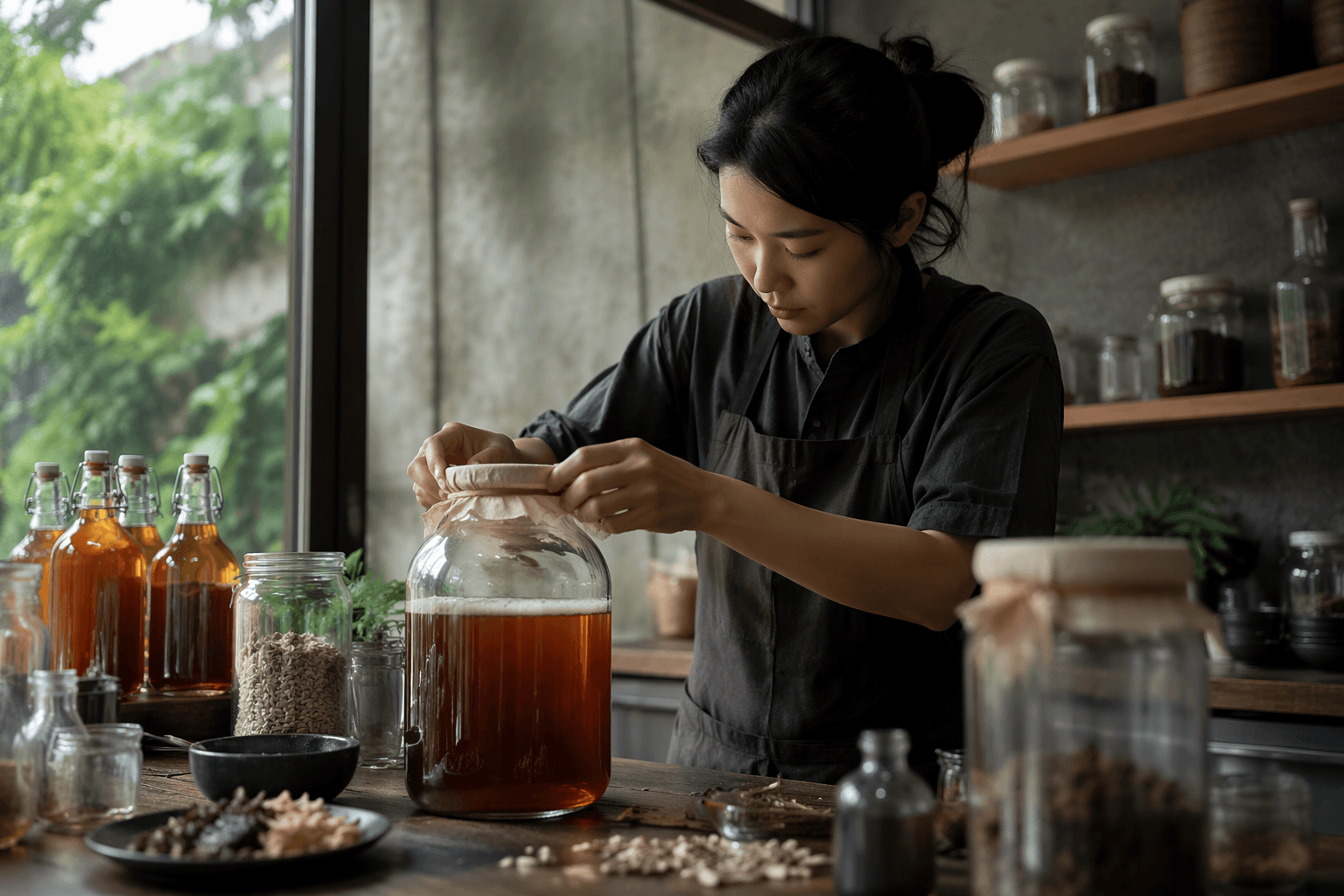
The four herbs were Rang Daeng, Ventilago denticulata Willd, Kamphaeng Chet Chan, Salacia chinensis L., Phaya Rak Dam, Diospyros variegata Kurz., and Thao Wan Lek, Ventilago calyculata Tul. In other words, this was not a tea-bag remix. It was a straight test of what happens when you move kombucha off the usual Camellia sinensis track and into a local medicinal-plant matrix.
All four versions still showed functional properties after fermentation. The culture survived the switch, kept shifting acids, consuming sugars, and transforming the extract into a different beverage rather than a simple herbal infusion with bubbles.
What each herb pushed in the final cup
The chemistry was not interchangeable. Rang Daeng produced the highest antioxidant activity at 615.54 ± 0.021 µg/mL, Thao Wan Lek delivered the highest total phenolic content at 2.01 ± 0.059 µg/mL, Phaya Rak Dam had the highest flavonoid content at 1.149 ± 0.039 mg/g, and Kamphaeng Chet Chan landed lowest for flavonoids at 0.077 ± 0.004 mg/g.
If two kombuchas share the same SCOBY, same sugar, and same fermentation temperature, but one starts with Rang Daeng and the other with Thao Wan Lek, you should expect different bittering, different astringency, and different aroma carry-through because the plant itself is setting the chemical ceiling before the microbes even get to work.
What the ferment did over seven days
By day 7, the batches had moved well beyond a static herbal brew. Acetic acid content ranged from 0.451 ± 0.0005 to 0.625 ± 0.0036 mg, total dissolved solids sat between 170.00 and 212.50 g/L, and the microbial counts for total microbes, acetic acid bacteria, and yeast met food-product standards at 6 log CFU/mL.
On day 7, total alcohol content reached 2.95% ABV. The U.S. Tax and Trade Bureau treats kombucha at 0.5% ABV or more as an alcoholic beverage under federal law.
By the end of fermentation, no reducing sugars or natural sugars such as glucose, fructose, or sucrose were detected.
How to test this at home without guessing
Start with the base. The study used a 37% herbal tea concentrate, so if you want to compare a botanical kombucha against a tea control, keep the concentrate strength fixed and change only the plant material. If you change everything at once, you will never know whether the shift came from the herb, the sugar load, or the ferment time.
A simple home test matrix looks like this:
- Brew one tea control and one botanical batch side by side, using the same sugar level and starter. Keep the concentrate strength consistent if you can, because the study’s 37% herbal tea concentrate is the anchor point that makes the comparison meaningful.
- Sample on day 3, day 5, and day 7. The study’s biggest alcohol number showed up at day 7, so if you are chasing a cleaner, less boozy profile, that is the window you want to watch most closely.
- Track pH along with taste. The study followed acidity changes, and in kombucha that acid shift is the practical signal that fermentation is moving. State guidance for kombucha production treats pH testing as a key control point.
- Treat alcohol as part of the recipe, not an accident. Once a batch gets pushed by a long ferment, the sugar-to-alcohol-to-acid chain can climb fast, and botanicals do not automatically keep it tame. If your goal is a low-ABV home kombucha, the study’s 2.95% day-7 result shows how fast alcohol can climb.
What this does, and does not, prove
The study shows that local medicinal plants can support a kombucha ferment without collapsing the usual fermentation pattern. It does not prove health benefits in humans, and it should not be sold that way. Base ingredient choice changes the antioxidant profile, the phenolic and flavonoid makeup, the acid curve, the dryness of the finish, and even how quickly alcohol can climb.
This article was produced by Prism’s automated news system from verified source data, official records, and press releases, then run through automated quality and moderation checks before publishing. The system is built and supervised by the people who set the standards it runs under. Read our full AI policy.
Did this article answer your question?