Kona diver uses viral shark video to teach ocean safety
A viral shark clip becomes a Kona safety lesson, with Kayleigh Grant turning fear into clear rules for staying calm, staying back, and respecting wildlife.
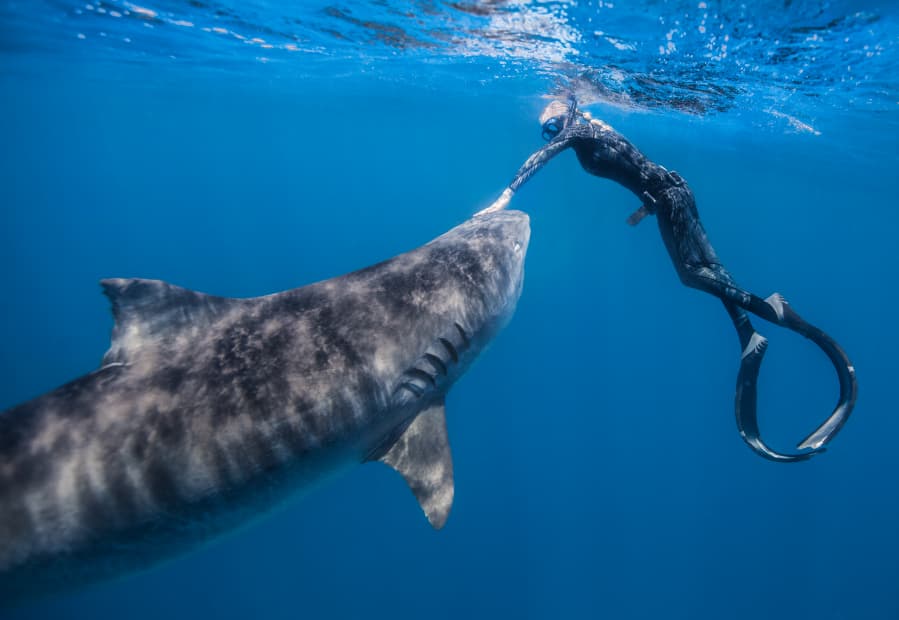
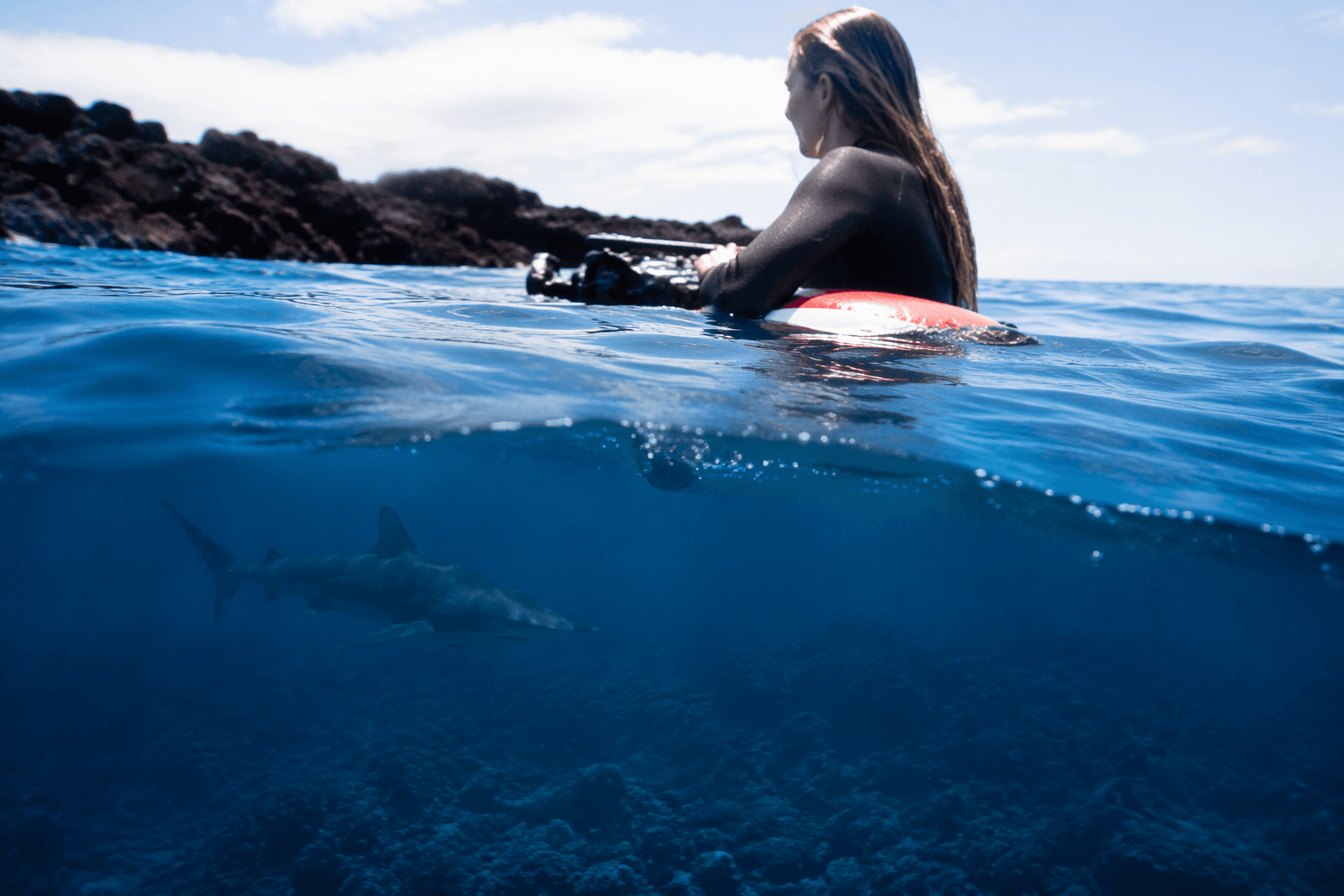
Kayleigh Grant is using a viral shark video for something more useful than shock value: a straight answer on what actually matters when sharks show up in Kona water. The KHON2 segment centers a Kona-based diver working with Kaimana Ocean Safari, and it treats the moment as a safety lesson for divers, snorkelers, and ocean visitors who need calm, practical guidance more than dramatic footage.
What the viral clip leaves out
The biggest shift in the segment is tone. Instead of replaying shark footage as a scare piece, it frames the encounter as an opportunity to teach behavior in the water, especially for people booking Kona tours or heading out with a local guide. That matters here because Kona and Kailua-Kona are among Hawaii’s most visible scuba and snorkeling destinations, where a fast-moving clip can make a routine sighting feel like an emergency.
Grant’s value in the story comes from being both local and in the water. As a diver off Kona tied to Kaimana Ocean Safari, she can translate the kind of advice that actually helps in real time: stay calm, keep situational awareness, follow guide instructions, and never treat the ocean as a place to chase or provoke wildlife. Those are simple rules, but they are the ones that hold up when a shark appears unexpectedly.
What Hawaii’s shark data says
The State of Hawaii Department of Land and Natural Resources gives the encounter context that social media usually strips away. Its Hawaii Sharks fact sheet says there are about 40 species of sharks in Hawaiian waters, and about eight species are somewhat common in nearshore waters. The most frequently encountered nearshore species listed by the state include whitetip reef, sandbar, scalloped hammerhead, and oceanic whitetip sharks.
That same state resource also pushes back on the fear-first narrative. Its close-encounters page says shark bites are very rare and should be kept in perspective, which is a useful reminder any time a viral post makes every sighting seem like a crisis. The state’s safety-tips page adds that it includes all known provoked and unprovoked incidents through 2024, while its incident-graphs page shows confirmed unprovoked incidents by year from 1980 through 2025.
For Kona divers, that means the right response is not panic, but awareness. A shark in the water is not automatically an emergency, and the state’s own framing makes clear that encounters are part of life in Hawaiian waters. The safer habit is to stay alert, give wildlife space, and let the guide set the pace.
Why timing still matters in Hawaiian waters
There is also a seasonal layer to the story that helps explain why shark talk can spike so quickly online. A Frontiers in Marine Science paper published Jan. 6, 2026, titled “Sharktober: tiger shark parturition drives seasonality in shark bite incidents in Hawaiian waters,” analyzed 30 years of data from 1995 to 2024. A University of Hawaii news item on Jan. 22, 2026 said the study found approximately 20% of all recorded bites occurred in October.
That does not change the basic safety message from Grant or the state. It does, however, give a scientific reason to treat shark awareness as something grounded in local patterns rather than viral anxiety. When online attention spikes around shark clips, the useful response is to lean on the facts: sightings are not the same as attacks, and preparation matters more than panic.
A Kona cautionary example
Hawaii Island has a recent reminder of how quickly a shark-related incident can become a serious local story. Hawaii News Now reported on Dec. 10, 2025 that a man was flown to a Kona hospital after an apparent shark bite in Naalehu around 4:30 p.m. on Dec. 9, 2025. The story was later updated to say the diver was bitten after trying to free it from rope-fishing gear.
That detail is the point. The danger was not a random close pass; it was the decision to interfere with an animal caught in gear. In plain terms, the lesson is to not approach, touch, or try to handle marine life, especially if it is entangled. The ocean is not the place to improvise rescue work with a shark nearby.
What to do when a shark appears
Grant’s segment works because it turns a viral moment into a usable checklist for the water. The practical priorities in Kona are straightforward:
- Stay calm and keep your awareness on the animal and your surroundings.
- Follow your guide’s instructions instead of drifting into crowd behavior.
- Do not chase, corner, or provoke wildlife for a photo or a clip.
- Keep away from any animal that appears entangled or distressed.
- Treat a shark sighting as a reason to be alert, not a reason to act impulsively.
That approach fits both the state guidance and the way local dive professionals already work in Kona. Tour operators depend on visitors feeling safe and informed, and that confidence comes from clear behavior in the water, not from pretending sharks are either harmless props or instant threats.
Grant’s viral clip works because it cuts through the noise. In Kona, the best shark advice is still the least dramatic: respect the animal, listen to the guide, and let calm judgment, not fear, decide what happens next.
This article was produced by Prism’s automated news system from verified source data, official records, and press releases, then run through automated quality and moderation checks before publishing. The system is built and supervised by the people who set the standards it runs under. Read our full AI policy.
Did this article answer your question?