DHS faces pressure to hold Labubu shipments over forced-labor concerns
Forced-labor scrutiny could slow Labubu imports, delay U.S. drops, and tighten stock just as resale prices are primed to jump.

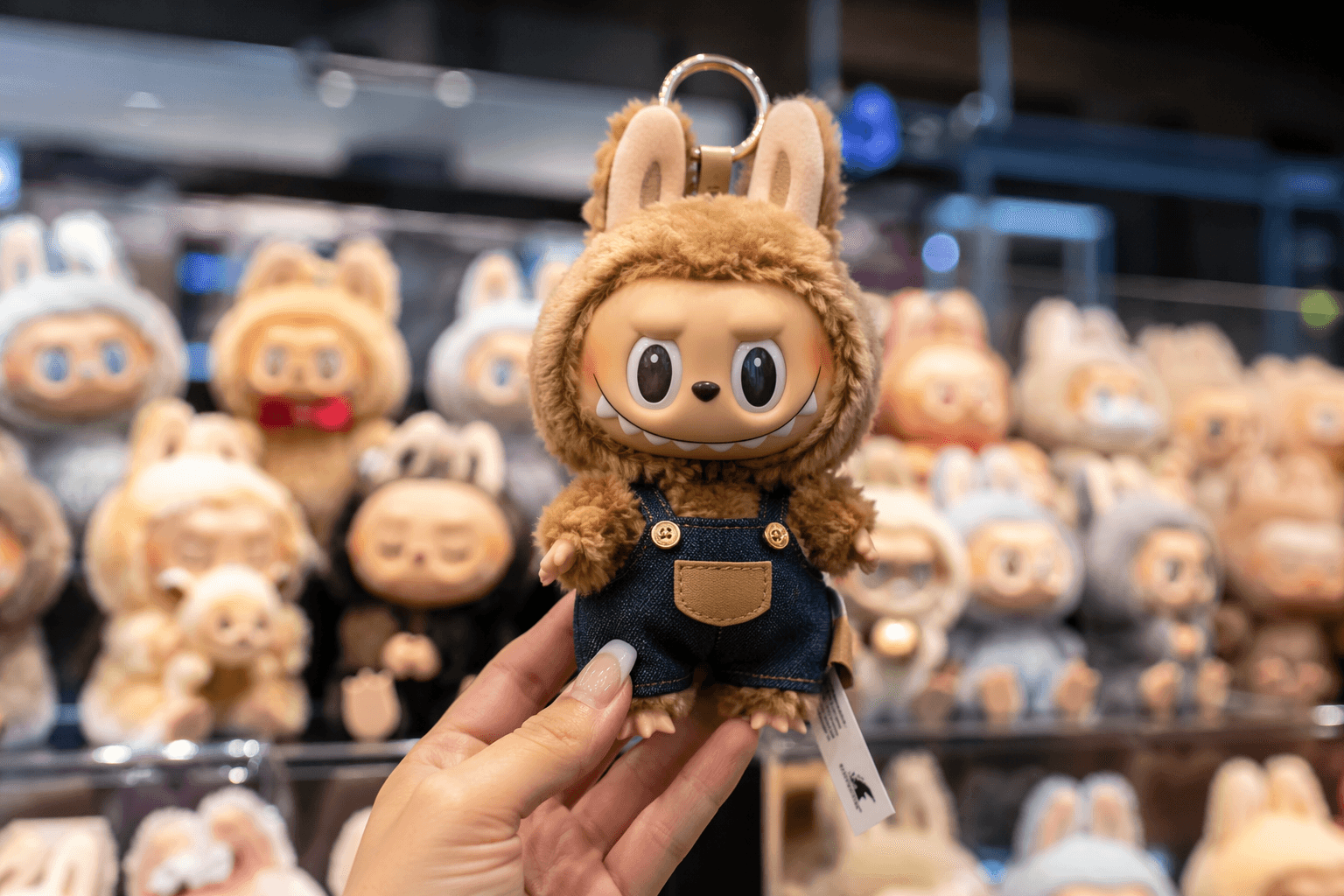
Labubu buyers in the United States are watching a customs fight that could slow fresh stock, delay restocks, and push resale prices higher if shipments get held at the border. The pressure on the Department of Homeland Security centers on cotton linked to Xinjiang in some dolls, turning a fast-moving collectible into a border-enforcement problem.
The issue hardened after independent testing found cotton in some Labubu dolls traced to Xinjiang. Twenty dolls were examined, and 16 contained cotton linked to the region through isotopic analysis conducted by Testrigin Technology Center Limited in Taiwan. Campaign for Uyghurs commissioned the testing in June 2025 and later submitted information about Pop Mart to U.S. Customs and Border Protection’s Forced Labor Allegation Portal in August 2025. For collectors, that matters because it shifts the story from rumor to supply-chain risk.

The legal backdrop is the Uyghur Forced Labor Prevention Act, enacted on December 23, 2021 and enforced beginning June 21, 2022. Under that law, goods mined, produced, or manufactured wholly or in part in Xinjiang, or by entities on the UFLPA Entity List, face a rebuttable presumption that they were made with forced labor and are barred from entering the United States unless importers can overcome that presumption. CBP says it is responsible for investigating forced-labor allegations and acting on suspect shipments, and its 2026 dashboard update gives more granular shipment data, including shipment counts, value, and HTS-4 details.
That enforcement system already has scale. DHS said CBP had examined more than 16,000 shipments valued at almost $3.7 billion through July 2025 under UFLPA enforcement. Labubu sits inside that same framework, so any hold on incoming product would be about more than one toy line. It would signal that a mass-market collectible can be pulled into the same scrutiny that has hit apparel, accessories, and other imported goods tied to contested sourcing.
Pop Mart has said it would investigate the presence of Xinjiang cotton in its supply chains and was working on alternative materials for the U.S. market. Chris Smith and Adrian Zenz have argued that the dolls should have been stopped at the border under UFLPA. For collectors, the practical watchlist is straightforward: customs holds, slower U.S. release timing, material changes in future batches, and sudden jumps in aftermarket pricing if supply tightens. If shipments start sitting at the border, the first sign will not be a press release. It will be empty shelves.
This article was produced by Prism’s automated news system from verified source data, official records, and press releases, then run through automated quality and moderation checks before publishing. The system is built and supervised by the people who set the standards it runs under. Read our full AI policy.
Did this article answer your question?