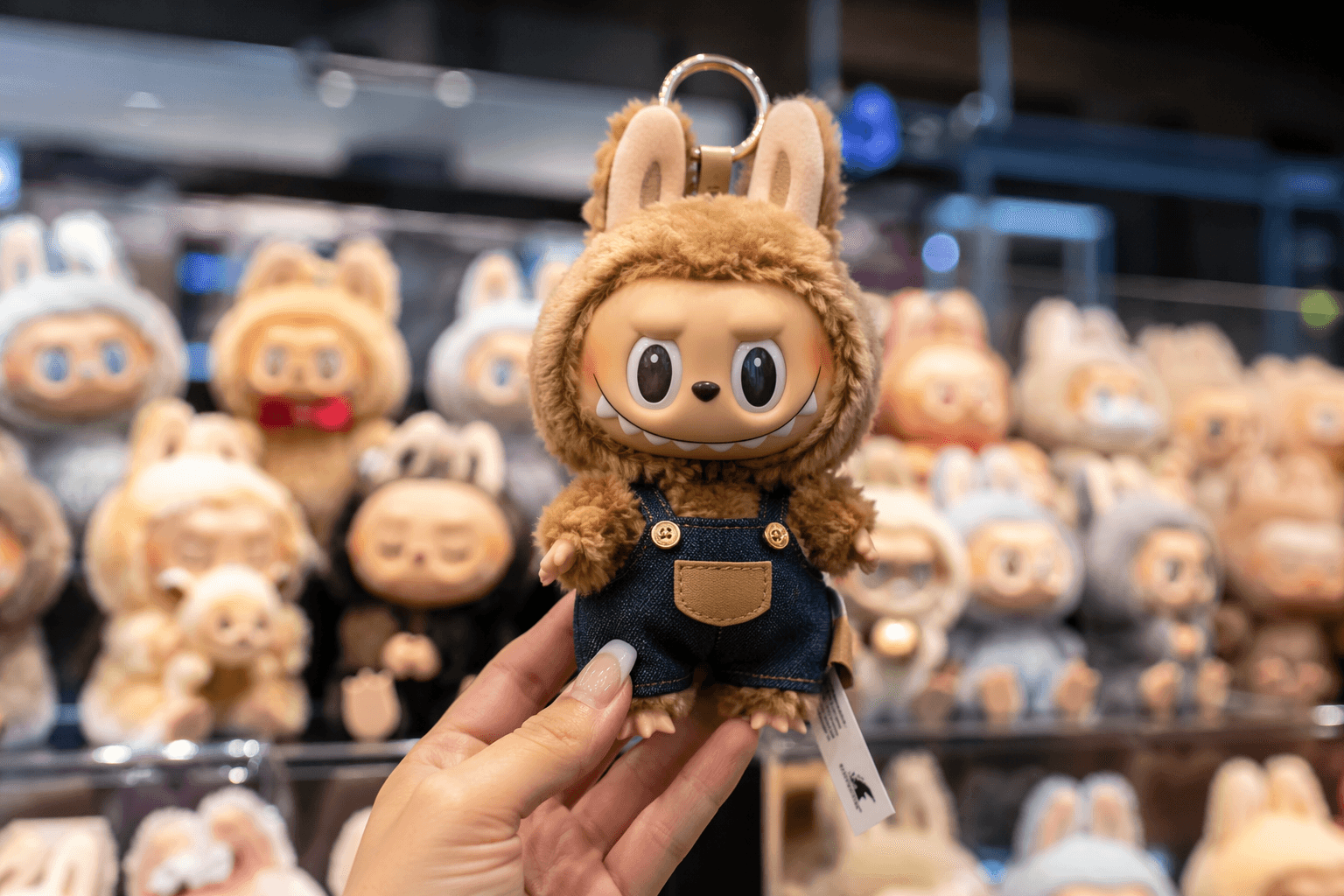
Estonia flags fake Labubu toys amid broader safety concerns
Fake Labubu plush toys in Estonia were flagged after customs and safety tests found choking hazards, phthalates and other high-risk defects.

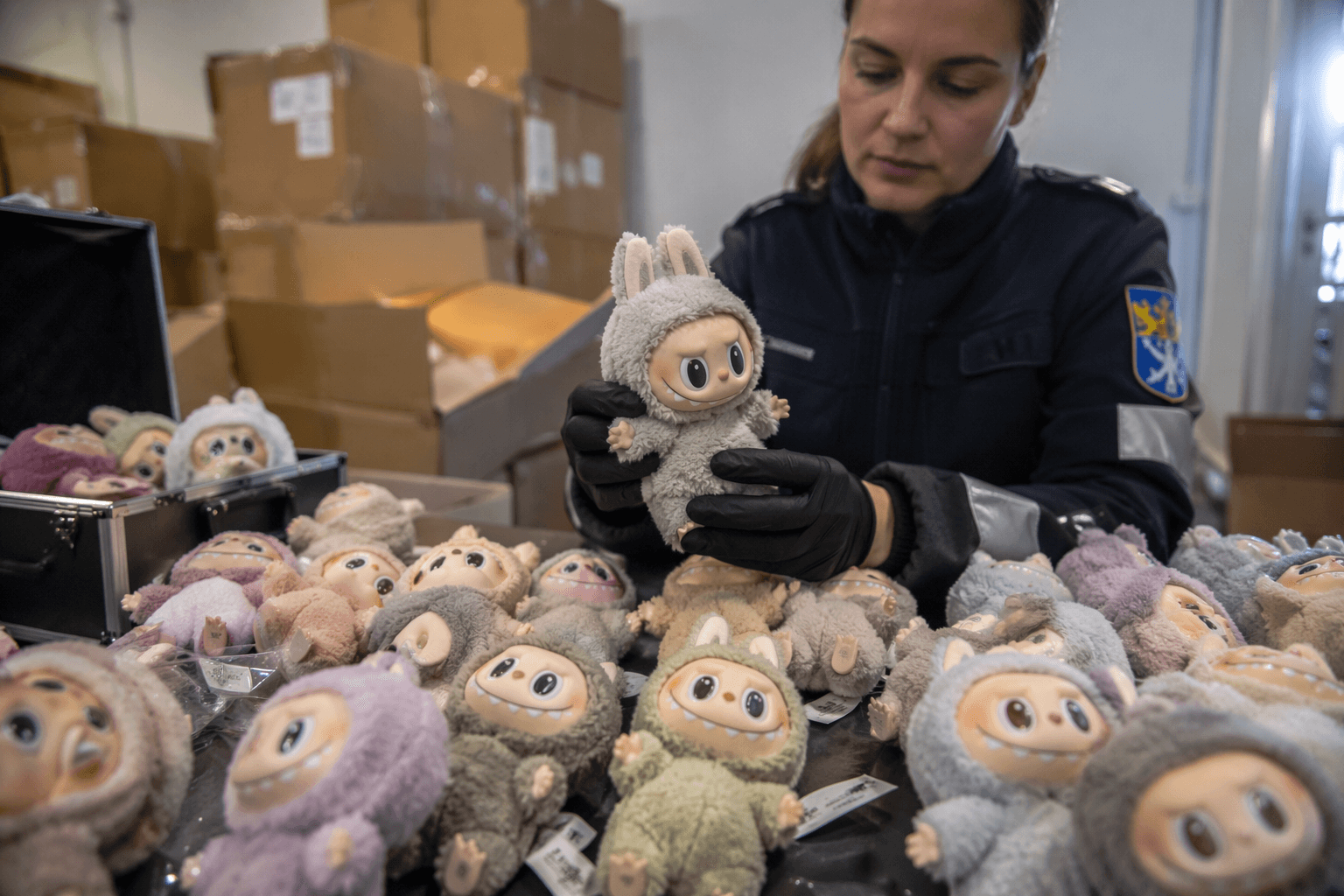
A Labubu-style plush stood out immediately when Estonia’s Tax and Customs Board unpacked confiscated goods for the TV programme Impulss, a vivid sign of how quickly counterfeit toys can slip from online bargain bins into a safety problem. Customs chief inspector Albina Saar said the agency relies on risk analysis to target higher-risk shipments, and she pointed to products arriving from Asian platforms as a recurring source of concern.
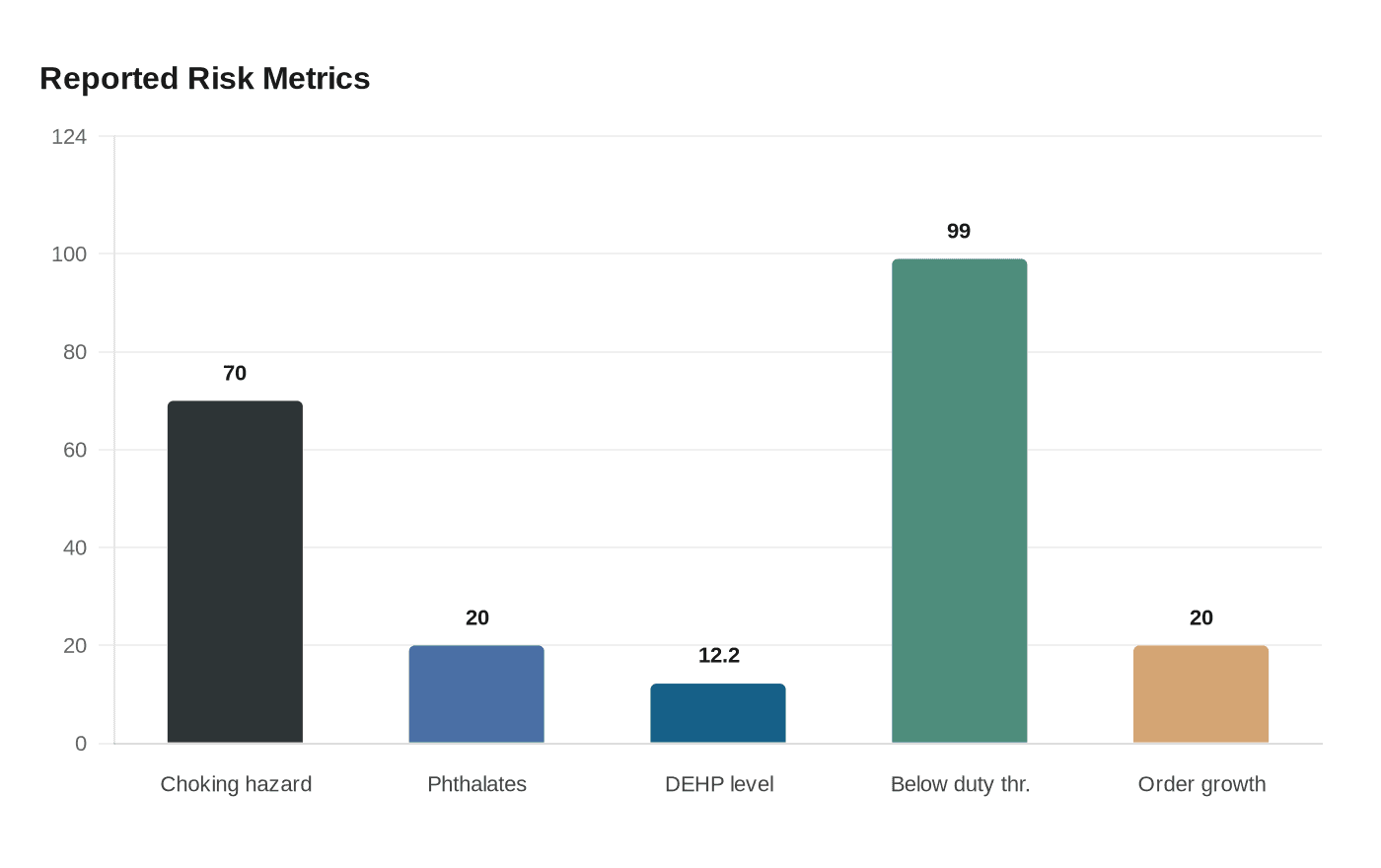
The warning carries real weight for collectors because the danger goes well beyond lost money or a disappointing unboxing. Estonia’s Consumer Protection and Technical Regulatory Authority tested similar toys in early May and found that 70% posed a serious choking hazard for small children, while 20% contained phthalates, chemicals linked to hormone disruption and increased cancer risk. That is the kind of defect that turns a fake plush into a household hazard, especially when stitching, stuffing and small parts are poorly made.
The broader pattern has already shown up outside Estonia. The United Kingdom’s Office for Product Safety and Standards recalled counterfeit Pop Mart Labubu plush toys on August 18, 2025, after finding that feet, hands and eyes could detach with minimum force. The U.S. Consumer Product Safety Commission also issued an urgent warning in 2025 that fake Labubu dolls and keychains could cause choking and death in young children. EU Safety Gate logged a counterfeit Labubu-like toy with DEHP measured up to 12.2% and detachable small parts, underscoring that this is not a one-country glitch but a cross-border resale problem.
For buyers, the practical lesson is to treat the cheapest listing as the riskiest one. ERR reported in December 2025 that nearly 99% of parcels arriving from Asian platforms in Estonia fell below the EU customs-duty threshold then being discussed in Brussels, and it said low-cost ordering from Asian retailers had risen by nearly 20%, driven largely by Temu. In that environment, missing buyer information, misleading listings and too-good-to-be-true prices are warning signs, especially when a plush is being sold through the same channels that move ordinary fast-fashion imports.
Pop Mart says it offers an anti-counterfeit verification portal for overseas customers and directs buyers to scan the security code on the packaging box. That matters because the fake Labubu problem now sits at the intersection of collector demand, resale speculation and child safety, and the same online routes that deliver a bargain can just as easily deliver a counterfeit with detachable parts or unsafe chemicals.
This article was produced by Prism’s automated news system from verified source data, official records, and press releases, then run through automated quality and moderation checks before publishing. The system is built and supervised by the people who set the standards it runs under. Read our full AI policy.
Did this article answer your question?