How to Photograph Labubu Figures for Instagram, Listings, and Archives
Bad photos lose you real money: here's the exact lighting, shot list, and file-naming workflow that moves Labubu listings faster and at higher prices.
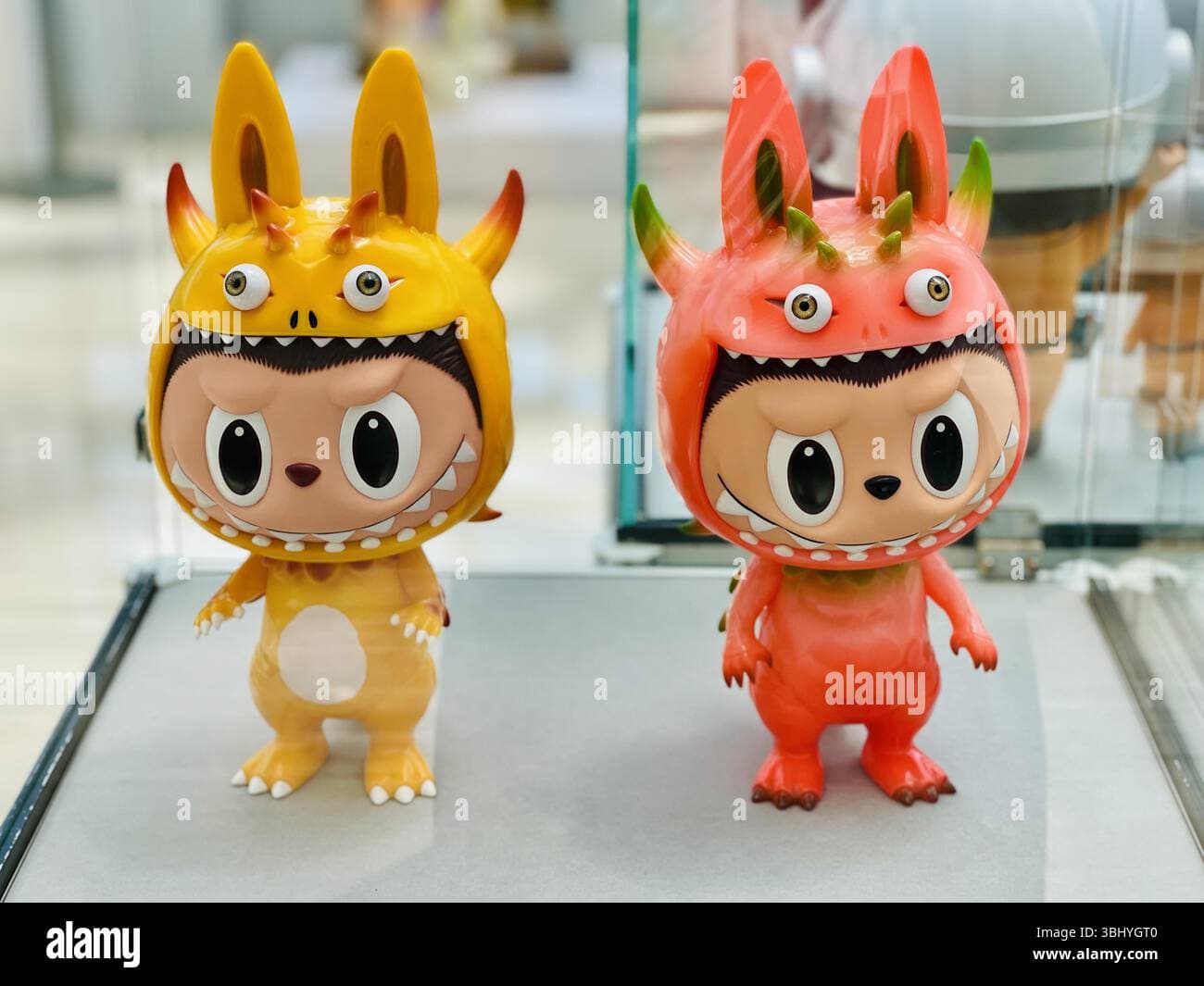
The Labubu x Vans collab sold for $10,503 on eBay. The ID figure from the Big Into Energy series, a 1-in-72 pull, commands around $1,800 in graded resale. A life-size Labubu cleared $150,000 at a Beijing auction in June 2025. In a market that grew 1,200% in a single year and hit $1.8 billion in revenue, the difference between a blurry phone snap and a clean, well-lit listing photo is not aesthetic vanity; it is measurable dollars. Counterfeit "Lafufus" have become so widespread that resale platforms flag them as among the top two most-counterfeited products they handle, which means buyers are now conditioned to scrutinize every photo you post. Your documentation is your proof of authenticity, your condition record, and your first sales pitch, all at once.
Build the Right Kit Before You Shoot
You do not need a DSLR or a pro studio to produce collectible-grade results. The baseline setup runs between $40 and $120 and covers everything here: a flagship smartphone (iPhone 15 Pro, Samsung Galaxy S24 Ultra, or equivalent), a small tabletop lightbox or two soft LED panels (budget $25 to $60 for a decent LED lightbox), neutral seamless paper in white, light gray, or black ($8 to $15 per roll), a compact tabletop tripod ($15 to $30), and a clip-on macro lens ($12 to $25) for pendants and small charms.
The macro lens is non-negotiable for pendant blind boxes. The paint detailing on a 5cm charm reads completely differently through macro glass than it does with a standard phone lens. Use a remote Bluetooth shutter or set a 2-second self-timer; even resting your finger on the screen to tap the button introduces enough micro-vibration to soften fine details at close range.
Lighting by Figure Type
Lighting is where most collectors lose the sale, and the fix is free once you understand the principle.
For plush Labubu, side-lighting at a 45-degree angle is your tool. Position one LED panel to the left or right of the figure at roughly the same height as the figure's face. This raking light catches the raised fur texture and communicates whether the plush is truly pristine or has been petted flat, which is the first thing a serious buyer wants to know. A small foam reflector card (or even a folded white piece of cardstock) on the opposite side lifts the shadow without eliminating the texture read.
For vinyl figures, the geometry reverses. Front-facing soft light from a lightbox or a single softbox reduces the specular glare that vinyl surfaces throw off. Glossy Labubu vinyl will create a hotspot in the center of every frame if you use a bare LED; a lightbox diffuses that completely. Keep a small reflector below and in front of the figure to fill the under-chin shadow that front-lit vinyl typically creates.
For pendants and keychains, the macro lens does most of the heavy lifting, but lighting still matters. A top-down diffused light setup (a lightbox lid works perfectly here) gives you even illumination across the entire surface with no directional shadow to obscure paint apps or mold lines.
One rule applies across all three: never mix color temperatures. A warm household bulb bleeding into a daylight-balanced LED panel will shift the figure's color in a way that no post-processing fix can cleanly correct. Pick one temperature for the entire session and lock it in.
Backgrounds and Staging: Two Different Jobs
Marketplace listings and Instagram posts have opposite goals, and your background choice should reflect that.
For eBay, Mercari, StockX, ToyWise, or any secondary-market platform, use a clean white or light gray seamless background. The reason is practical: platform algorithms and buyers are scanning for the product, not the scene. White removes all ambient color cast from the figure and makes condition details pop. Always include a size reference in at least one frame; a standard coin or a short ruler placed next to the figure removes any ambiguity about whether you are selling the keychain or the 28cm plush. Buyers who are surprised by size become return requests.
For Instagram, editorial content, or your collector archive, contextual staging elevates the narrative. Small props that share the figure's visual language, miniature plants for forest-themed Labubu, fabric swatches that echo the series colorway, or a shallow-depth backdrop built from layered tissue paper, add personality without overwhelming the subject. This is also where portrait mode on your phone earns its use: it creates a gentle background separation that reads well on a phone screen. Use it sparingly on plush figures, since the AI bokeh occasionally over-smooths the fur texture that communicates condition.
The Shot List: Copy This by Figure Type
This is the template. Run through it before you pack up your setup.
- Front face, centered, full figure
- Three-quarter view, left
- Three-quarter view, right
- Profile, either side
- Top-down (shows paint on top of head and ears)
- Close-up of any QR code, authenticity tag, or foot stamp
- Box front
- Box interior with accessories and certificate
- Any paint variation, wear, or manufacturing note (document it honestly)
For vinyl figures:
- Front face, full figure
- Back of head and body (shows fur condition)
- Tag close-up (front and back of the attached woven label)
- Ear and paw detail
- Any discoloration or flat-fur areas (include these, do not hide them)
- Box or packaging exterior and interior
For plush figures:
- Front macro, full charm
- Back macro (shows mold lines and stamp markings)
- Clasp and attachment hardware
- Any accompanying card or certificate
- Scale reference (coin works perfectly here)
- Packaging front and back
For pendants and charms:
Documenting faults honestly protects you from return disputes and builds the kind of listing reputation that gets you repeat buyers.
Camera Settings and Framing
Set your phone to maximum resolution before every session, not the default compressed setting. On iPhone, this means enabling ProRAW or the highest HEIC setting in the camera options. On Android flagships, check that you are shooting in the full native resolution rather than the default 12MP crop mode. Resolution costs you nothing at capture time and gives you flexibility when cropping for different platform aspect ratios later.
Tap and hold on the figure's face to lock both exposure and focus before every shot; this prevents the camera from refocusing on the background mid-sequence. If your phone offers manual ISO and shutter controls (via a native pro mode or an app), set ISO to the lowest available value (64 or 100 typically) to minimize noise in the shadow areas.
Shoot all angles before moving the figure. Repositioning mid-session creates inconsistent lighting, and you will end up re-shooting.
Post-Processing and Color Accuracy
Keep edits minimal and honest. A slight bump in exposure, a white balance correction to neutralize any residual color cast, and a small sharpness increase are the only adjustments that belong in a listing photo. Filters that shift hue are not just bad aesthetics; they are condition misrepresentation in a market where buyers routinely dispute colorway accuracy, especially for chase variants where exact color is part of the premium.
Save the original, unedited phone file or RAW file as your provenance copy. Date-stamp it immediately. If a buyer disputes condition after delivery, that original file with its embedded metadata timestamp is your evidence. For high-value listings, consider including a small printed color reference swatch in one frame alongside the figure, not in the hero shot, but as a dedicated reference frame. It signals that you take accuracy seriously and it preemptively neutralizes color disputes.
Batch Workflow, Naming Conventions, and the 5-Minute QC Routine
If you are moving volume, unstructured photo folders will eat your time. Build a consistent file-naming convention from the start and maintain a companion spreadsheet. The naming format that works cleanly across platforms:
[Series code]-[Figure name/variant]-[Condition]-[YYYYMMDD]
Example: `BIME-ID-MIB-20260312` for a Mint-in-Box Big Into Energy ID figure photographed on March 12, 2026. This convention sorts chronologically, makes condition instantly readable, and matches the spreadsheet rows without ambiguity.
Your spreadsheet columns should include: SKU or series name, release date, pull-notes if known (e.g., 1:72 secret), condition grade (MIB, MNB, C8, etc.), photo filenames, and purchase price plus any documented sale history. Back up both photos and the spreadsheet to cloud storage after every shoot. The date-stamp in the cloud backup creates an independent record of condition at time of listing.
The 5-Minute Pre-Listing QC Routine
Run this before you publish any listing:
1. Check all angles in the final gallery against your shot-list template for the figure type. Confirm you have front, three-quarter, profile, top-down, tag close-up, and box interior.
2. Open the authenticity frame and verify the QR code or Pop Mart hologram tag is legible and in-frame.
3. Check the white balance across all frames: they should match. If one frame looks warmer or cooler than the others, reshoot it.
4. Confirm the condition description in your listing text matches what the photos show. If photos show a scuff, the text mentions it.
5. Verify the file-naming convention is applied and the spreadsheet row is updated before uploading.
Five minutes per listing. That is the entire routine. It eliminates the most common causes of returns and condition disputes before a buyer even sees the listing.
Why Documentation Is a Competitive Advantage
StockX does not grade condition on Labubu figures. For mint-in-box or graded pieces, platforms like ToyWise and Collectors Vault use third-party grading standards, which means sellers who independently document condition with honest, detailed photography are effectively offering a service that the biggest resale platforms currently do not. A consistent visual style across your listings also builds portfolio recognition; buyers who have had a clean transaction with you will seek out your profile specifically during new series drops.
Your photo archive is also a long-term asset. As the Labubu secondary market matures and more series become historically significant, timestamped, well-documented condition records will matter for insurance valuations and trade negotiations in ways that a blurry unboxing snapshot never will. The $40 lightbox pays for itself the first time a high-value listing closes without a dispute.
This article was produced by Prism’s automated news system from verified source data, official records, and press releases, then run through automated quality and moderation checks before publishing. The system is built and supervised by the people who set the standards it runs under. Read our full AI policy.
Did this article answer your question?


