Labubu began as a book and figurine, not a plush craze
The 2021 The Monsters Trilogy shows Labubu as an art-world character first. Learn the book-and-figurine clues that separate core Labubu from later hype.
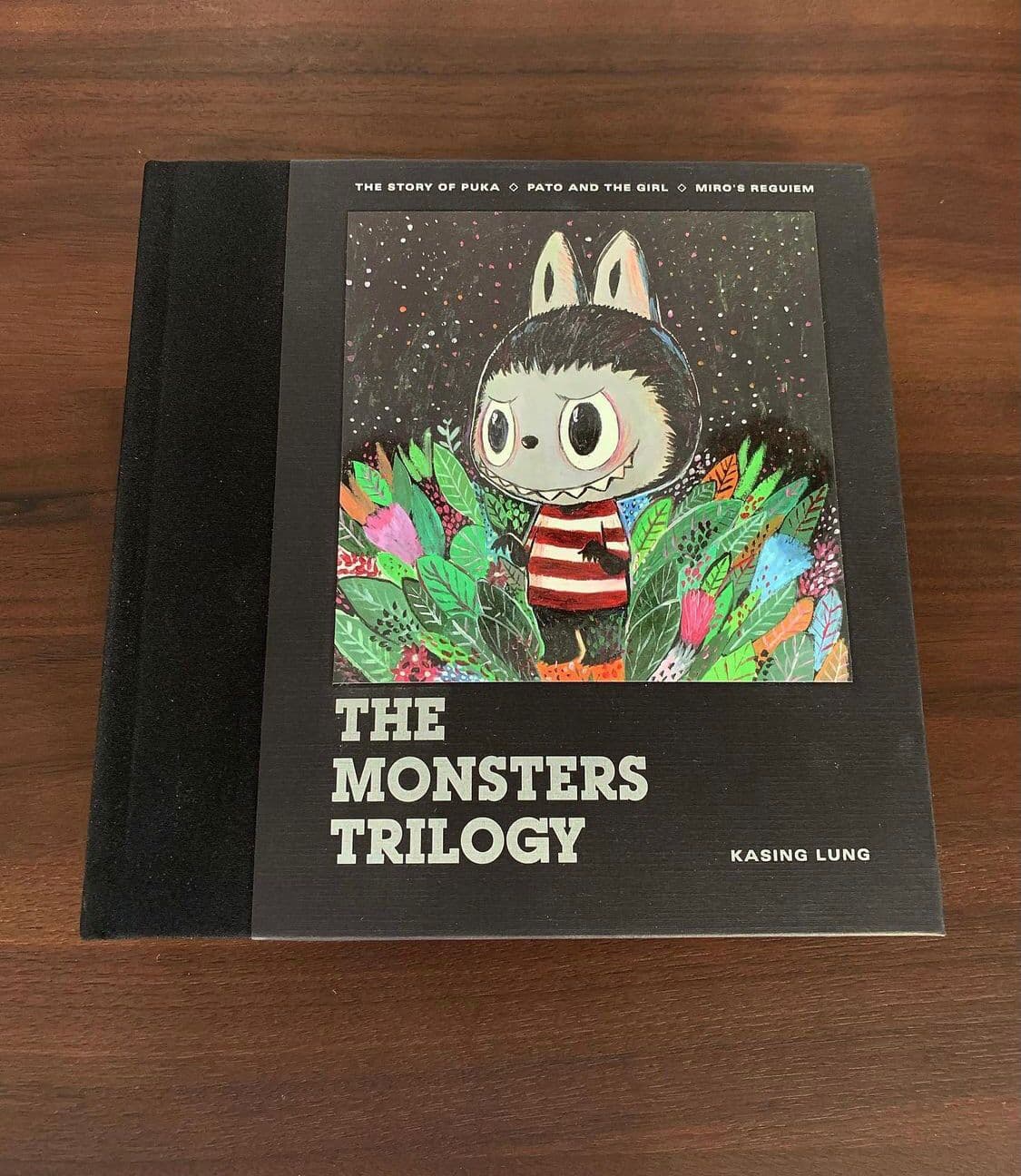
Kasing Lung’s 2021 *The Monsters Trilogy (Book and Figurine)* asked collectors to read Labubu and collect it at the same time. That hybrid setup puts later blind-box drops, collector sets, and plush releases in place as part of a much larger Labubu world.
Why the 2021 book-and-figurine release matters
The phrase “book and figurine” is the key. It means Labubu was built as a character with narrative weight, not just as a cute object that could be remixed into merchandise later. Artsy lists the 2021 work in the contemporary art market as an artwork, which is a very different category from a shelf toy.
A hybrid release changes what “complete” means. A loose figure can be judged mainly by paint, joints, and packaging, but a book-and-figurine piece asks for the full set: the printed material, the sculpted object, and any companion components that belong to the release. Paper and molded material age differently, so condition, completeness, and provenance carry more weight than they do with a single blind-box pull.
Where Labubu actually came from
Labubu first appeared in 2015 as part of Kasing Lung’s *The Monsters* story series and book trilogy. The world behind it was inspired by Nordic mythology, which gives the character line a storybook atmosphere rather than a simple mascot origin. *The Monsters* began with an early cast rather than a one-off design, which is one reason it feels like a universe instead of a single character.
Labubu still reads like part of a story even when it is sold as a standalone figure. The character was introduced inside a cast, with a setting and mythology around it, so the design language has always pointed outward to a bigger world.
The visual cues that feel like core Labubu
When collectors talk about a design feeling “core Labubu,” they are usually pointing to the same visual shorthand that shows up in the official material. Labubu is the most energetic figure in the line, with nine teeth, upright pointed ears, and a rabbit-eared silhouette.
The strongest core cues are:
- rabbit-eared silhouette
- upright pointed ears
- nine teeth
- an energetic, slightly mischievous expression
The ears, toothy grin, and lively posture are the quickest way to sort later variants, softer spin-offs, seasonal styling, and format changes.
How the format changed the way collectors see the character
Pop Mart began selling Labubu in blind-box packaging in 2019, after Kasing Lung signed an exclusive licensing agreement with the company that year. That move pushed the character into a new collecting system, where chance, chase variants, and series completion became part of the game. Blind boxes and collector sets now sit inside *The Monsters* line, far from its book origins.
Artsy’s artist page lists over 300 versions of Labubu. With that many versions in circulation, the original format becomes more important, not less. The earliest book-and-figurine release helps you decide what belongs to the character’s foundation and what belongs to later market expansion.
How to use The Monsters Trilogy as a collector’s decoder
To evaluate a Labubu release, ask what it is doing rather than just how rare it is. Is it a book-plus-object artwork, a blind-box figure, a collector set, or a plush extension of an existing character? Is it part of the original Monsters cast, or is it a later interpretation built after Pop Mart’s 2019 licensing deal changed the scale of the line?
The 2021 *The Monsters Trilogy* works like a canon marker, because it shows Labubu before the plush boom and before the blind-box machine took over. It gives you the visual code, the story context, and the format clues needed to place a design in the line.
Pop Mart said it plainly in a 2025 video: “It’s not just about drawing—it’s about building a world.”
This article was produced by Prism’s automated news system from verified source data, official records, and press releases, then run through automated quality and moderation checks before publishing. The system is built and supervised by the people who set the standards it runs under. Read our full AI policy.
Did this article answer your question?