Labubu collections mix plush, vinyl and metal, requiring careful care
Labubu is now a collectible, not just a toy, and the wrong shelf setup can quietly wreck plush, vinyl and metal parts. Shade, dust control and stable humidity do the heavy lifting.
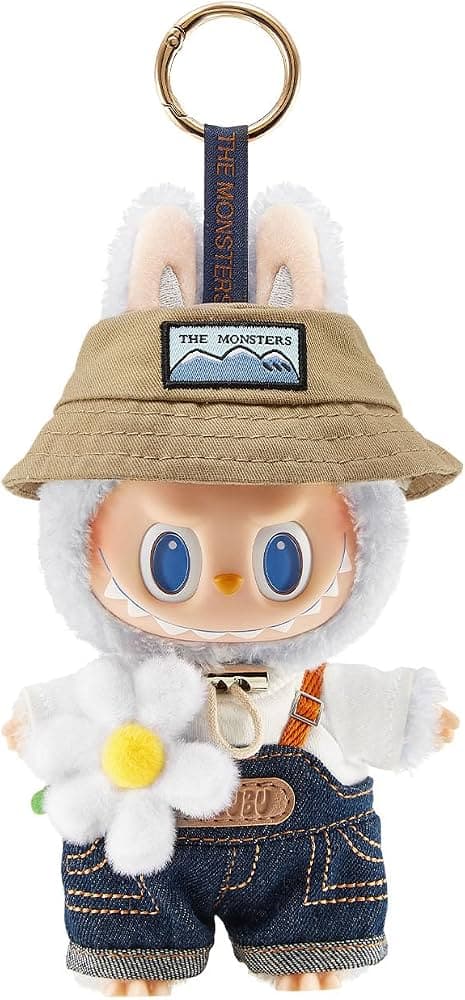
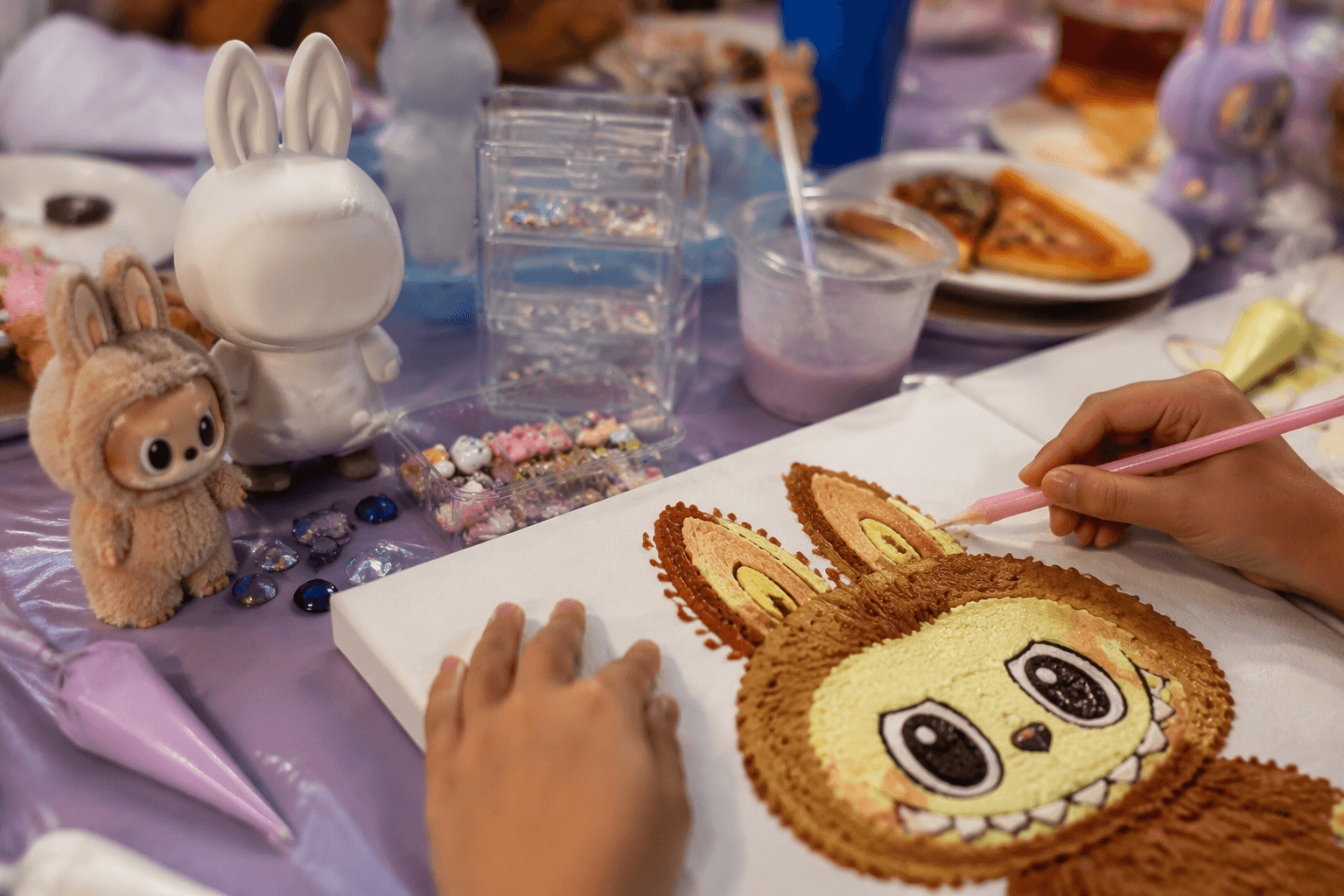
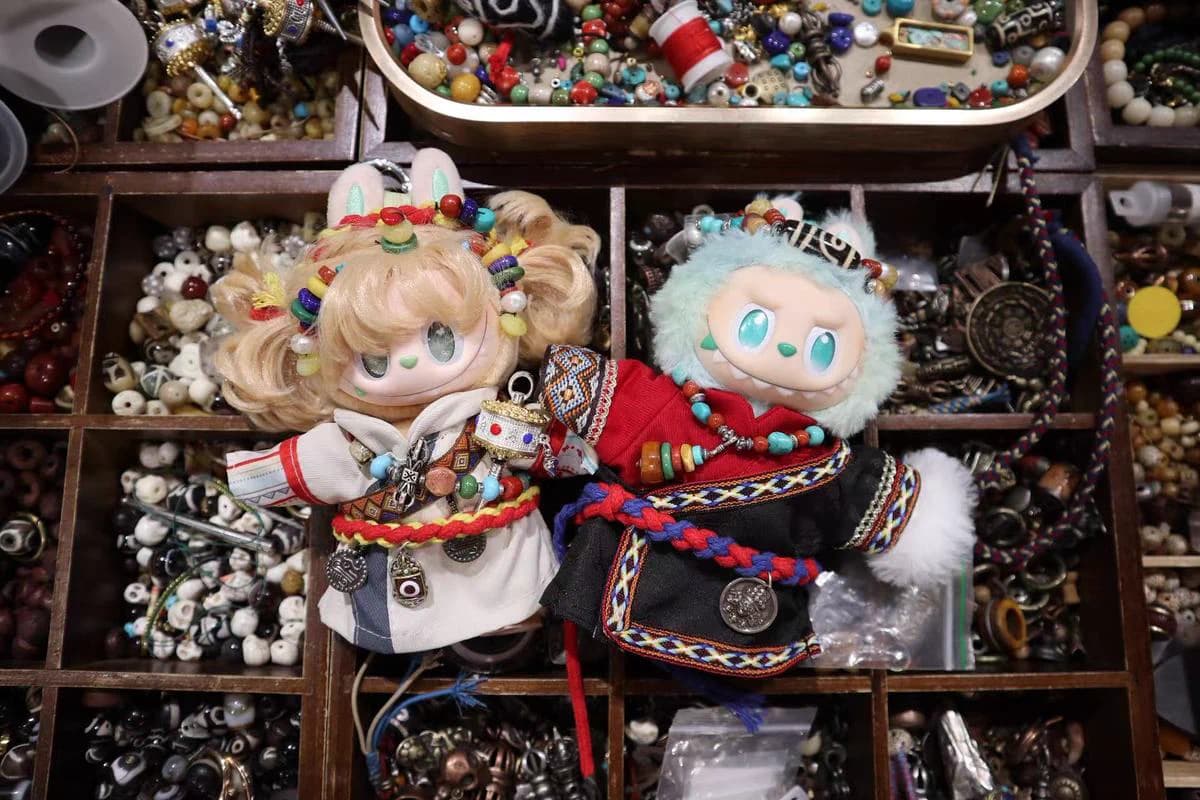
A Labubu figure can combine PU, PP, polyester and cotton in one piece. Another may bring together ABS, PVC, polyester fiber and hard vinyl; a pendant can add PVC, polyester, ABS and iron wire; premium editions can stack magnet, acrylic, zinc alloy, copper and POM into the same object. The care problem is serious because the collection is built like a mixed-media display.
Labubu has moved far past impulse-buy territory. Pop Mart said THE MONSTERS brought in more than RMB 1 billion in 2024, and the company’s total revenue reached RMB 13.037749 billion, up 106.9 percent year over year. A human-sized Labubu also sold for 1.08 million yuan at Yongle International Auction in Beijing, a sale that turned display mistakes into real value risk instead of just cosmetic regret.
Why a Labubu shelf needs conservation thinking
Pop Mart credits Kasing Lung with creating THE MONSTERS in 2015, inspired by Nordic mythology, with Labubu as the most prominent character in that world. On Pop Mart’s U.S. blind-box page, Labubu is described as mischievous but kind-hearted, which is why these pieces end up spread across desks, bookshelves and glass cabinets instead of staying boxed.
The trouble is that the same shelf often holds soft fibers, hard plastics, shiny accents and tiny metal parts in one cluster. Light, ultraviolet exposure, incorrect temperature, incorrect relative humidity, pollutants, water, pests and physical forces are the major enemies of plastics and rubbers, and that is a useful map for Labubu too. If you protect the least stable component in each figure, you usually protect the whole piece.
The display mistakes that do the most damage
Sunlight and heat
Direct sun is the fastest way to age a Labubu display. Vinyl can yellow or dull, printed details can fade, and plush fibers lose color long before the piece looks visibly damaged to the naked eye. A hot windowsill is worse than an ordinary shelf because heat speeds up these problems, especially plastic stress and distortion.
Keep the shelf out of direct daylight and away from radiators, vents and south-facing glass. If a room gets bright, use indirect light and treat the piece like a small museum object.
Dust
Dust looks harmless until it settles into fur, seams and tiny creases around ears, hands and clothing. On plush-heavy Labubu pieces, dust does more than make the surface look tired, because it traps grime in the fibers and makes a figure look older, duller and less crisp than it should.
A closed cabinet or dust-limited display does the heavy lifting here. Even a simple clear cover is better than an open shelf if you do not want to spend weekends picking lint out of textured fabric and around attachment points. The less airborne dirt that reaches the piece, the less cleaning the piece needs later.
Humidity
Humidity is where mixed-material Labubu builds get tricky. Plush and stuffing react differently from ABS or PVC, and metal accents do not love damp air, especially when they sit close to fabric or tucked joints. Too much moisture can invite odors, mildew and surface changes that are slow at first and expensive later.
Aim for a stable room, not a perfect one. Stability matters more than chasing a single ideal number. Avoid basements, bathrooms and rooms that swing from dry heat to sticky air in a day.
Plastic contact
Plastic-on-plastic contact is one of the easiest mistakes to miss. If a Labubu sits pressed against a hard acrylic wall, another vinyl figure, a tight insert or a glossy sleeve, the surfaces can imprint, scuff or stick over time. Inappropriate display materials can cause chemical, physical or environmental damage, and that applies here too.
Give each figure a little breathing room. Do not wedge pieces shoulder-to-shoulder, and do not let soft vinyl rest against unknown foam, rubbery liners or anything that feels tacky. If a piece has delicate hardware or a hanging loop, relieve the pressure instead of letting the weight hang on one point.
Fabric fading
Plush editions are the most likely to show wear first because fabric reveals everything. Color loss, flattened pile and grime all show up fast on soft surfaces, especially when a figure sits near light or gets handled often. Once plush fibers lose loft, no cleaning routine fully restores that fresh, full look.
The fix is simple: limit handling, keep the piece shaded and avoid crushing it under stacked boxes or heavy decor. For plush-heavy Labubu, shape protection matters as much as color protection. If the ears, paws or face are getting pressed, the figure is already taking shape damage.
Box storage
Box storage is not automatically safe storage. Cardboard can crush, inserts can compress plush, and trapped humidity inside a tight stack can leave a figure with pressure marks or a stale smell. If you store Labubu in boxes for resale, travel or rotation, the box itself needs care too.
Use the original packaging only in a dry, stable place where it will not be flattened by other boxes. Keep pieces from rubbing against each other inside the carton, and do not seal damp figures away.
Cleaning methods
The safest cleaning method is the least aggressive one. Dust first, then stop if the surface already looks clean, because water, soaps and strong solvents can create new damage on mixed materials. Water and physical forces are major risks, which is why overcleaning is a bigger problem than many collectors think.
Use the gentlest dry method that fits the material. Plush needs careful dust removal, vinyl needs a light touch, and mixed builds need even more restraint around seams, joints, magnets and wire. If a figure has multiple finishes in one body, treat the most delicate surface as the limit for everything else.
A same-day shelf setup that actually helps
- Move the collection out of direct sun and away from hot glass or vents.
- Give each piece space so plastic, vinyl and painted parts are not rubbing.
- Use a closed or dust-limited display if the shelf holds plush and hard parts together.
- Keep the room dry, steady and out of humidity spikes.
- Store boxes flat and dry, with no crushing weight on top.
- Clean with dry, gentle methods before you reach for anything wet.
- Treat metal accents, magnets and wire as the parts most likely to suffer if the display is cramped or damp.
Match the care to the build
Plush-heavy Labubu needs shape protection first, because flattened fibers and dusty pile change the whole look of the piece. Vinyl-face dolls need shade and temperature stability, because hard plastics show light damage and heat stress in ways plush does not. Premium mixed-material editions need the most cautious handling of all, because one object may contain fabric, plastic, metal and magnets that each react differently to the same shelf.
This article was produced by Prism’s automated news system from verified source data, official records, and press releases, then run through automated quality and moderation checks before publishing. The system is built and supervised by the people who set the standards it runs under. Read our full AI policy.
Did this article answer your question?