Labubu craze cools as Pop Mart growth fears shake investors
Pop Mart’s 185% revenue surge still couldn’t calm investors, as shares fell more than 20% on fears the company had leaned too heavily on Labubu.

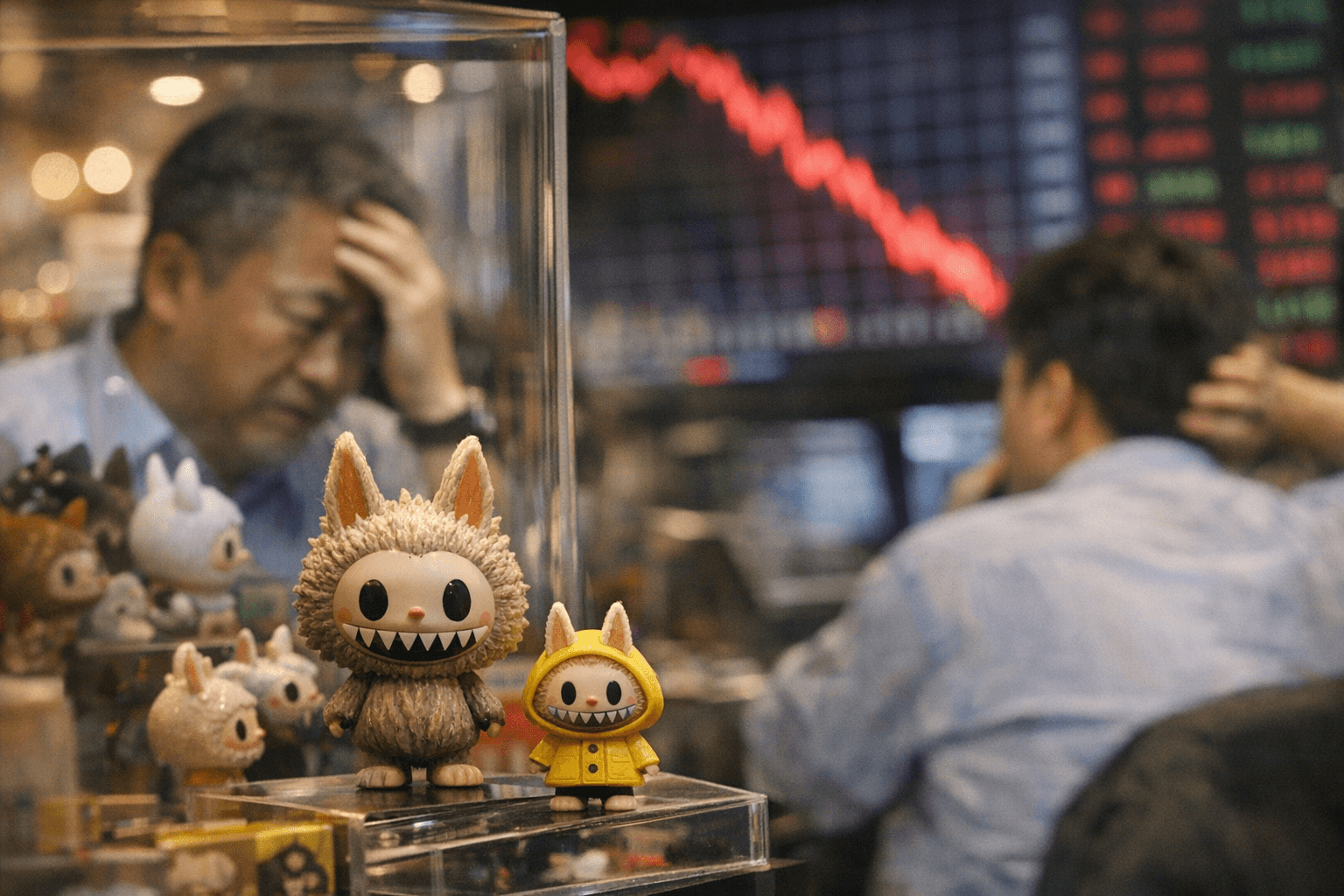
Pop Mart posted a huge 2025 revenue jump, but the market still punished the stock. The company said annual revenue rose about 185% year on year to 37.12 billion yuan, or $5.38 billion, yet shares fell more than 20% after the results as investors fixated on how much of the business now depended on Labubu.
That reaction came even as Pop Mart’s numbers showed how powerful the franchise had become. Bloomberg reported the shares plunged about 23% after the annual results, while market reporting described one of the sharpest drops in nearly a year. The concern was not that demand had vanished. It was that Labubu had become so central to Pop Mart’s growth story that any cooling in the craze could hit the company hard.
The scale of that dependence was already visible in Pop Mart’s 2024 annual report. Total revenue reached 13.04 billion yuan, or $1.8 billion, and The Monsters IP, which includes Labubu, generated 3 billion yuan, or $419 million, up 726.6% from the previous year. What began as one collectible line had become the engine behind the company’s breakout run.
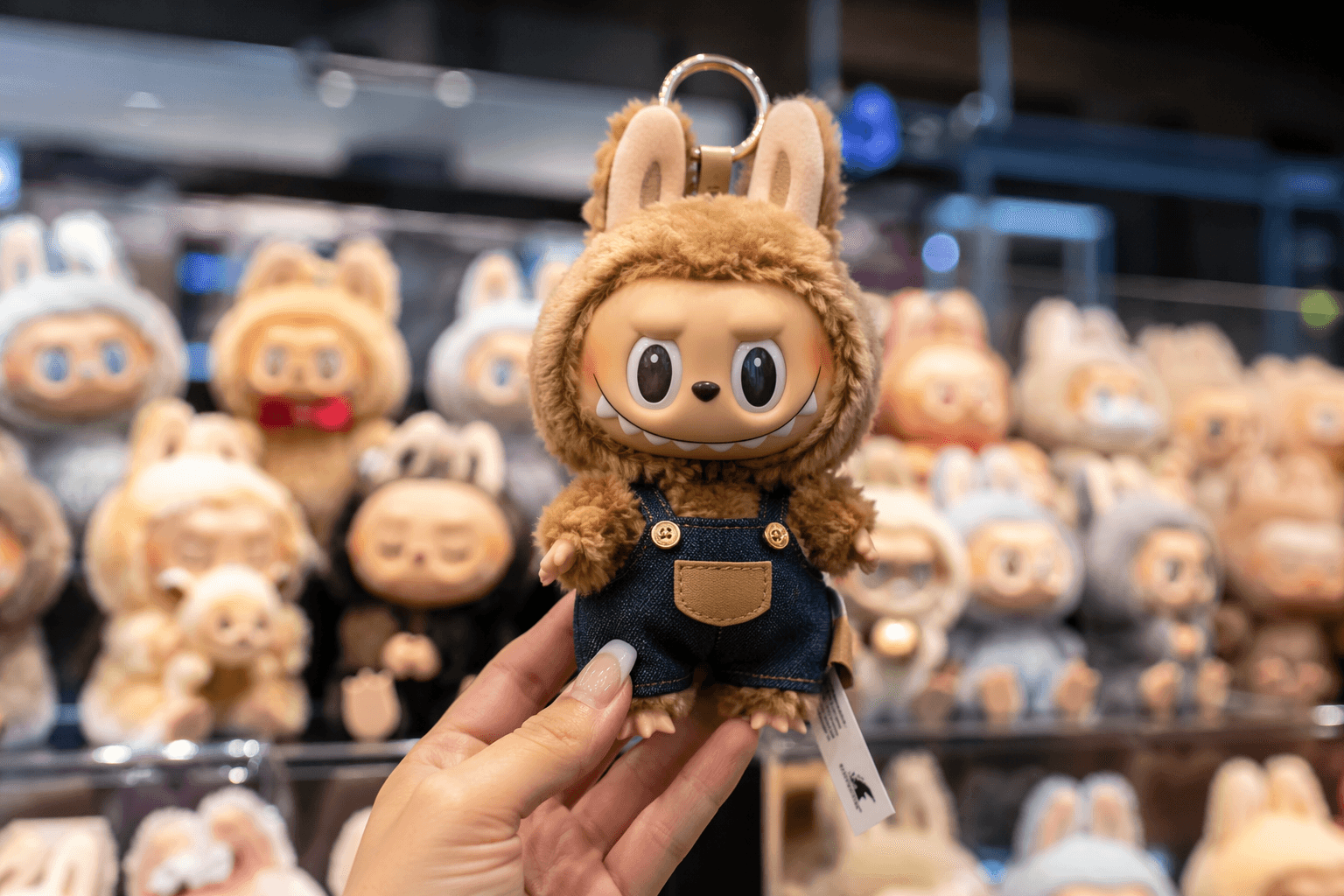
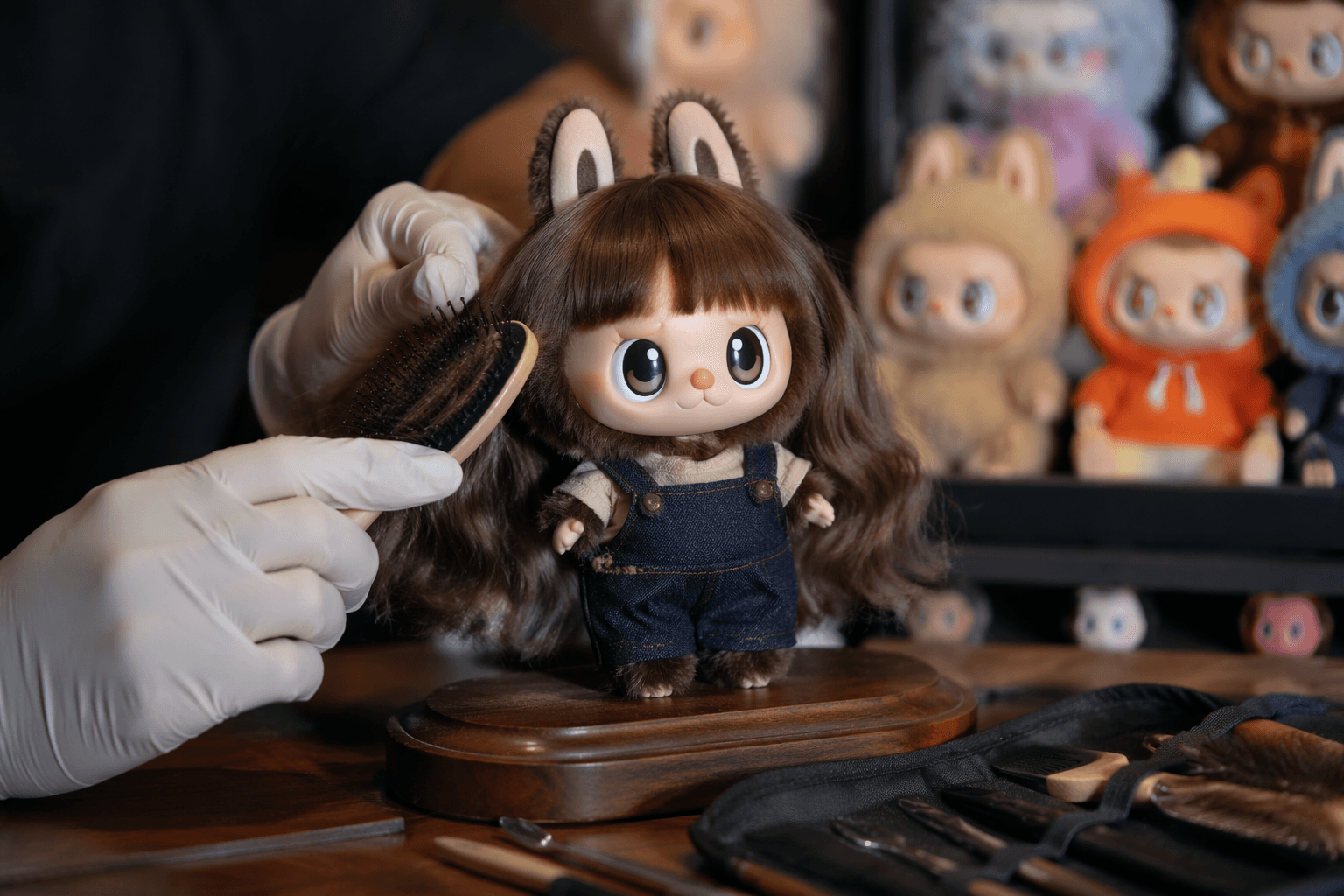
Labubu’s rise has been unusually fast. Kasing Lung created the character and introduced it in The Monsters universe in 2015, before Pop Mart licensed the property in 2019 and turned it into a major collectible line. The character’s western breakout accelerated after Lisa Manoban of BLACKPINK was spotted with a Labubu bag charm in April 2024, then widened further as Rihanna and Dua Lipa were linked to the trend. Emily Brough, Pop Mart’s head of intellectual property licensing for the Americas, has described Labubu as more than a collectible, calling it a style symbol in the company’s fashion push.
That visibility helped fuel demand well beyond collector circles. Pop Mart’s U.S. app surged 114 spots in the App Store during the craze, reaching fourth place overall and first in shopping, according to company reporting cited by Chinese state media. The same momentum also invited counterfeiters. U.S. Customs and Border Protection seized more than 11,000 fake Labubu dolls at Seattle airport in 2025, with officials valuing the haul at more than half a million dollars. Chinese customs later reported seizures of more than 40,000 suspected counterfeit Labubu-related items across multiple locations.
The message from the market was clear. Labubu was still selling, still visible, and still powerful enough to move apps, fashion, and fakes. What changed was the investment story, as Pop Mart’s growth machine ran into the question every hype cycle eventually faces: how much of the peak is already in the price?
This article was produced by Prism’s automated news system from verified source data, official records, and press releases, then run through automated quality and moderation checks before publishing. The system is built and supervised by the people who set the standards it runs under. Read our full AI policy.
Did this article answer your question?