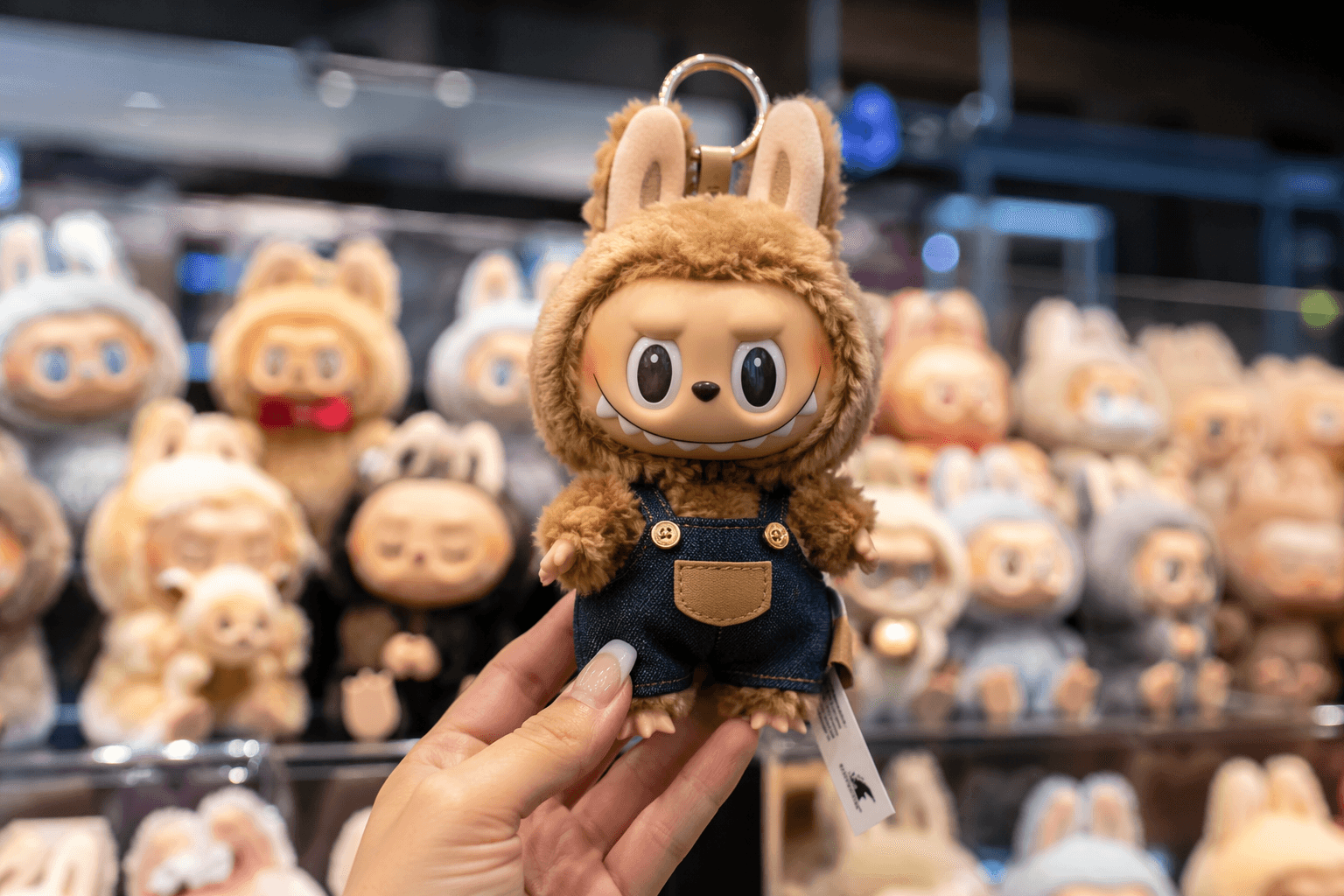
Labubu doll-raising craze fuels custom fashion and factory boom in China
Labubu owners were spending on custom clothes, nails and hair for dolls, while Yiwu factories and online sellers chased a booming side market.
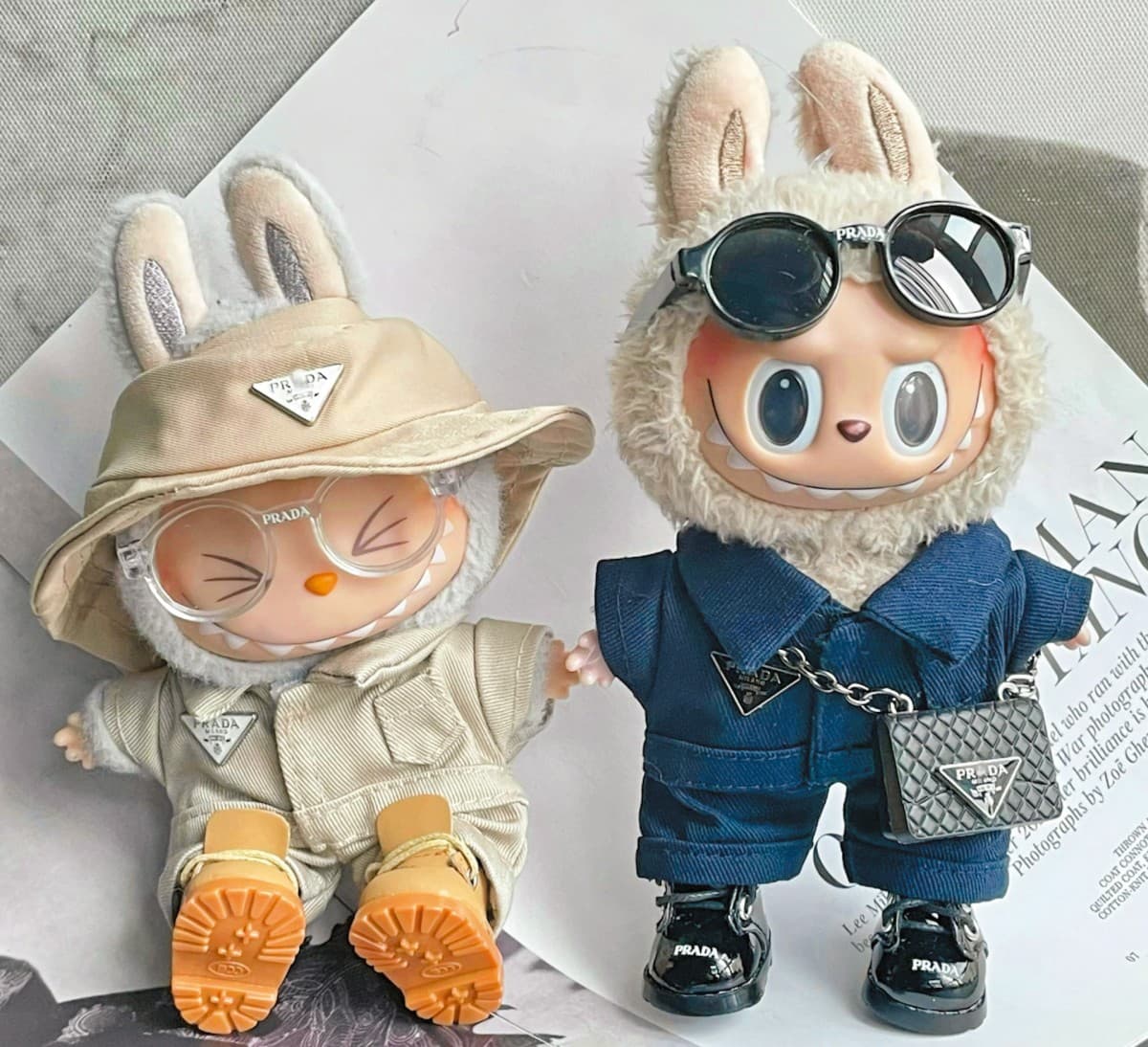
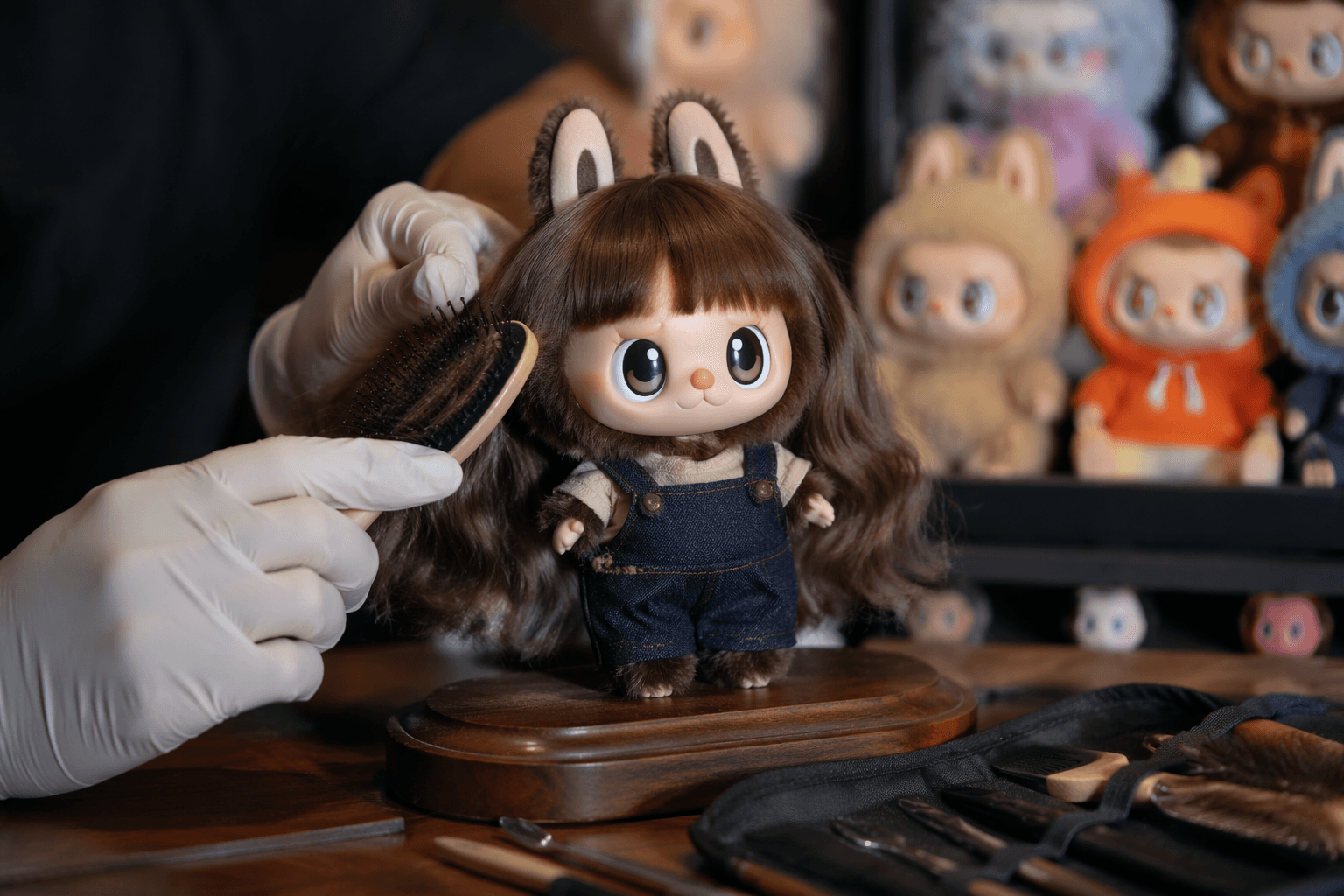
The real money around Labubu was no longer just in blind boxes and resale. In China, the doll-raising craze had turned the character into a miniature fashion business, with collectors ordering custom clothes, shoes, accessories, hair extensions and even manicures for figures that were already prized as bag charms and social-media props.
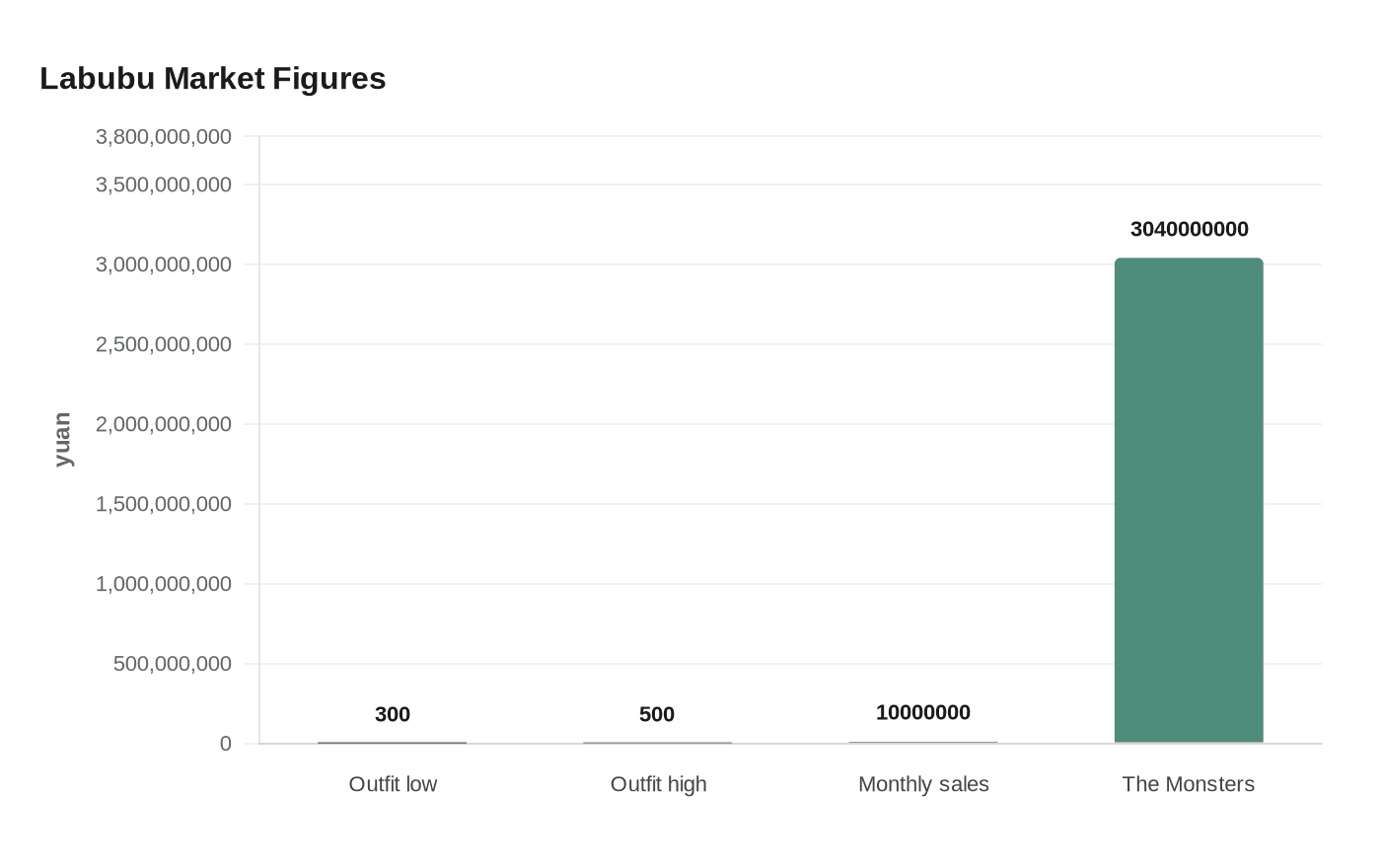
That shift mattered because it moved spending away from the next drop and into a fast-growing support economy. Doll clothing sales on Taobao and Tmall surged by more than 117% year on year in 2024, and one report said monthly sales passed 10 million yuan in May for the first time. At the same time, a single outfit could cost 300 to 500 yuan, which made the side market feel less like play and more like a serious add-on to collecting.
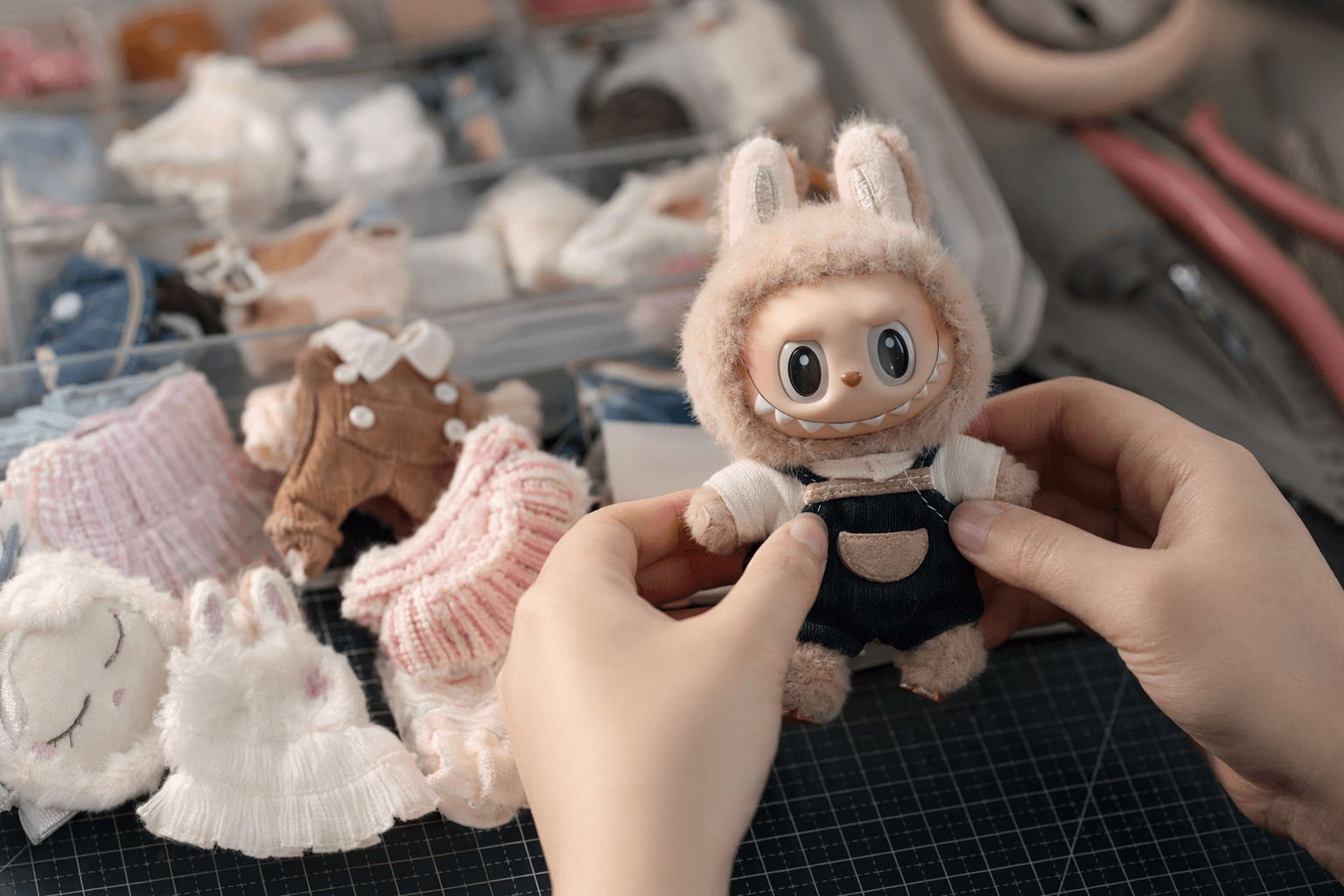
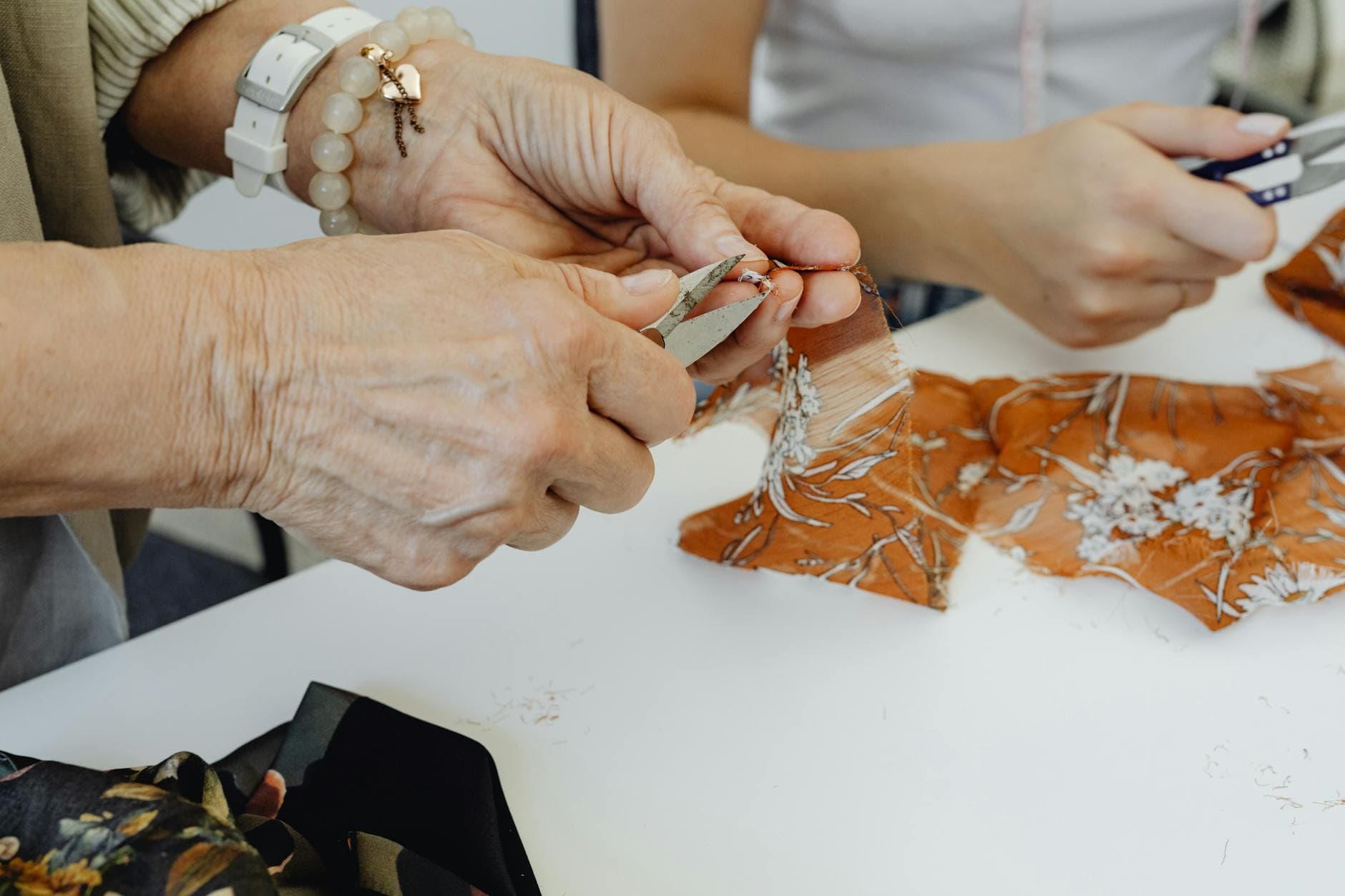
The factory response was just as clear. Garment makers in places such as Yiwu, Zhejiang, pivoted into doll-apparel production to meet demand, and the market was no longer confined to mainland China. Orders were rising from North America, South America, Japan and Southeast Asia, which showed how quickly a niche hobby had become an exportable microindustry. The comparison to fast fashion fit for a reason: low margins, rapid turnover and styles that could change daily.
Labubu was the perfect character to anchor that spending. Pop Mart says Kasing Lung created it in 2015 as part of The Monsters universe, a fairy world inspired by Nordic mythology. The company describes Labubu as mischievous-looking but kind-hearted, and that mix has made it easy to personalize and show off. The appeal is not just aesthetic, either. Pop Mart’s 2024 annual results showed The Monsters brought in RMB 3.04 billion, up 726.6% year on year and equal to 23.3% of total company revenue. Its annual report also said revenue from The Monsters, MOLLY, SKULLPANDA and CRYBABY each topped RMB1 billion for the first time.
The collector signal has spread far beyond China. Naomi Osaka carried custom-made Labubu mascots on her backpack at the U.S. Open, including one with red rhinestones and a blue tennis racket. Coverage of those pieces said each one could take about 13 hours to make and cost nearly US$500, which is exactly the kind of price point that shows how far this has gone. For Labubu buyers, the center of gravity had shifted: the figure itself still mattered, but so did the outfit, the display and the workshop that could turn a toy into a status object.
This article was produced by Prism’s automated news system from verified source data, official records, and press releases, then run through automated quality and moderation checks before publishing. The system is built and supervised by the people who set the standards it runs under. Read our full AI policy.
Did this article answer your question?