Labubu packaging linked to Singaporean-led vape ring in Indonesia
Labubu-branded vape packaging in Medan turned a collectible image into a resale risk, with police seizing more than 10,500 packages and arresting two suspects.

Labubu’s name was pushed into a very different kind of market in Medan, where police said a Singaporean man identified as TM and an Indonesian woman identified as MWQ used Labubu-branded packaging to sell home-made vape products. TM was arrested on May 17 at a hotel while arranging raw-material shipments, and MWQ was taken the same day at a luxury residence in Kota Medan that served as the processing and packing site.
The seizure shows why this case matters to collectors as much as to regulators. Officers said they recovered 862 vape cartridge tubes, dozens of vape bottles and more than 10,500 vape packages marked with Labubu images. Police also said a third suspect, identified as R, remains at large. The ring was allegedly active since 2025 and generated at least 10 billion rupiah, about US$565,000, while TM was said to coordinate the operation from Thailand with raw materials shipped in from China.
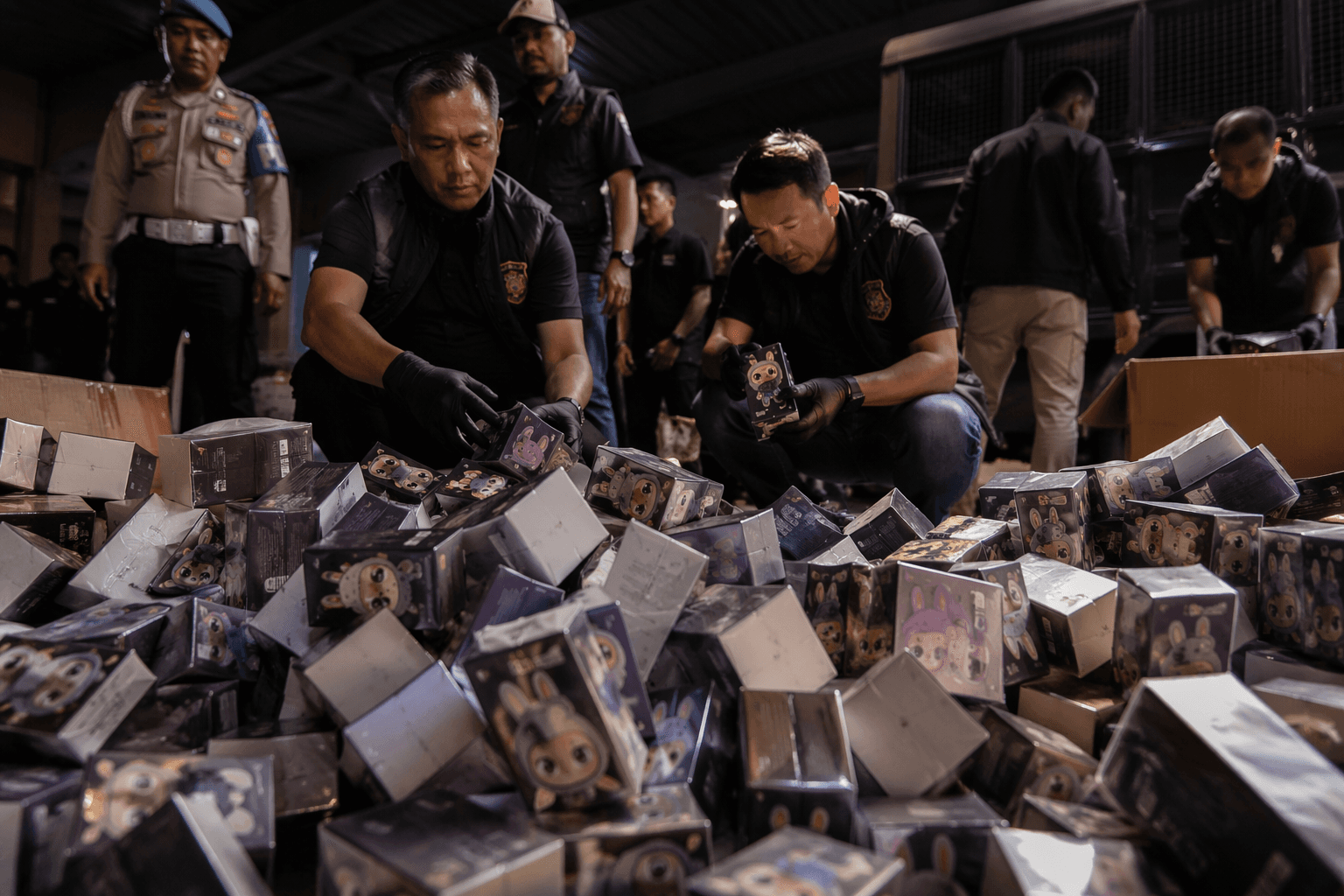
The setup was built to stay hidden. Police described the Medan residence as having facial recognition, fingerprint access and password protection, a level of security that points to a well-organized production line rather than an improvised stash house. Authorities also said the network used cryptocurrency to move money and obscure the flow of funds. Indonesian reporting said the Labubu-branded packages were aimed at young people and Gen Z, which explains the logic of the branding: the character’s familiarity was being used as a marketing skin for an illicit product.
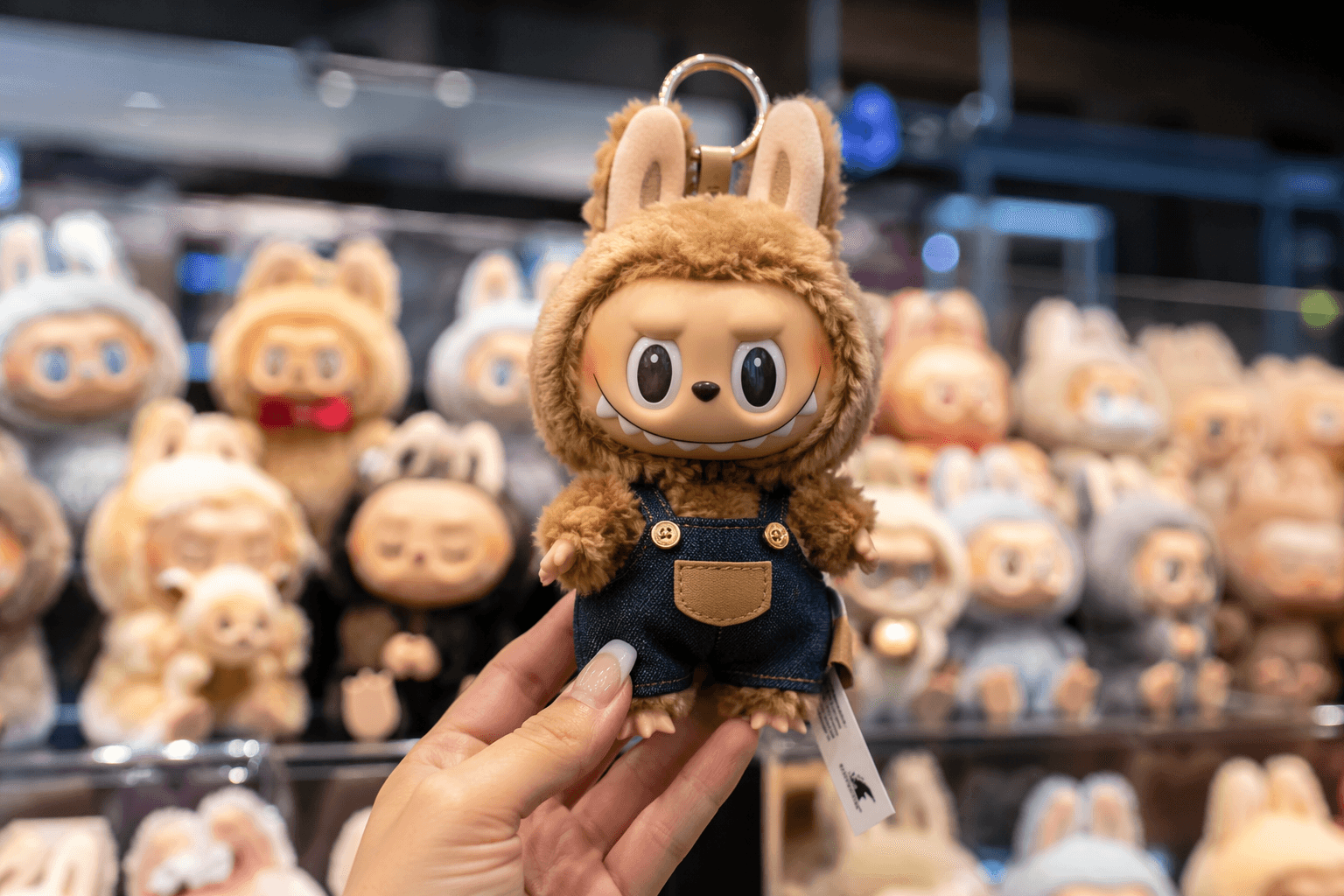
What this does not mean is that official Labubu products are implicated in the ring. Labubu is a collectible plush toy created by Hong Kong-born artist Kasing Lung and marketed by Pop Mart, and the company has said it has customs registrations in 27 countries and regions to help seize counterfeit goods. On August 18, 2025, the U.S. Consumer Product Safety Commission warned that fake Labubu dolls posed choking hazards, underscoring how often the character’s popularity is exploited by knockoffs and unsafe copies.
For fans trying to sort licensed product from exploitative copy, the cleanest test is the product itself: official Labubu goods come through Pop Mart’s legitimate merchandise channels, not through vape packaging, street sellers or mystery listings built around the Labubu name. Anything that uses the character to sell controlled goods, hide a product origin or borrow credibility from the brand should be treated as a red flag, not a collectible. The Medan case is another reminder that when Labubu gets big enough to be instantly recognized, the image can be abused far beyond the toy aisle.
This article was produced by Prism’s automated news system from verified source data, official records, and press releases, then run through automated quality and moderation checks before publishing. The system is built and supervised by the people who set the standards it runs under. Read our full AI policy.
Did this article answer your question?