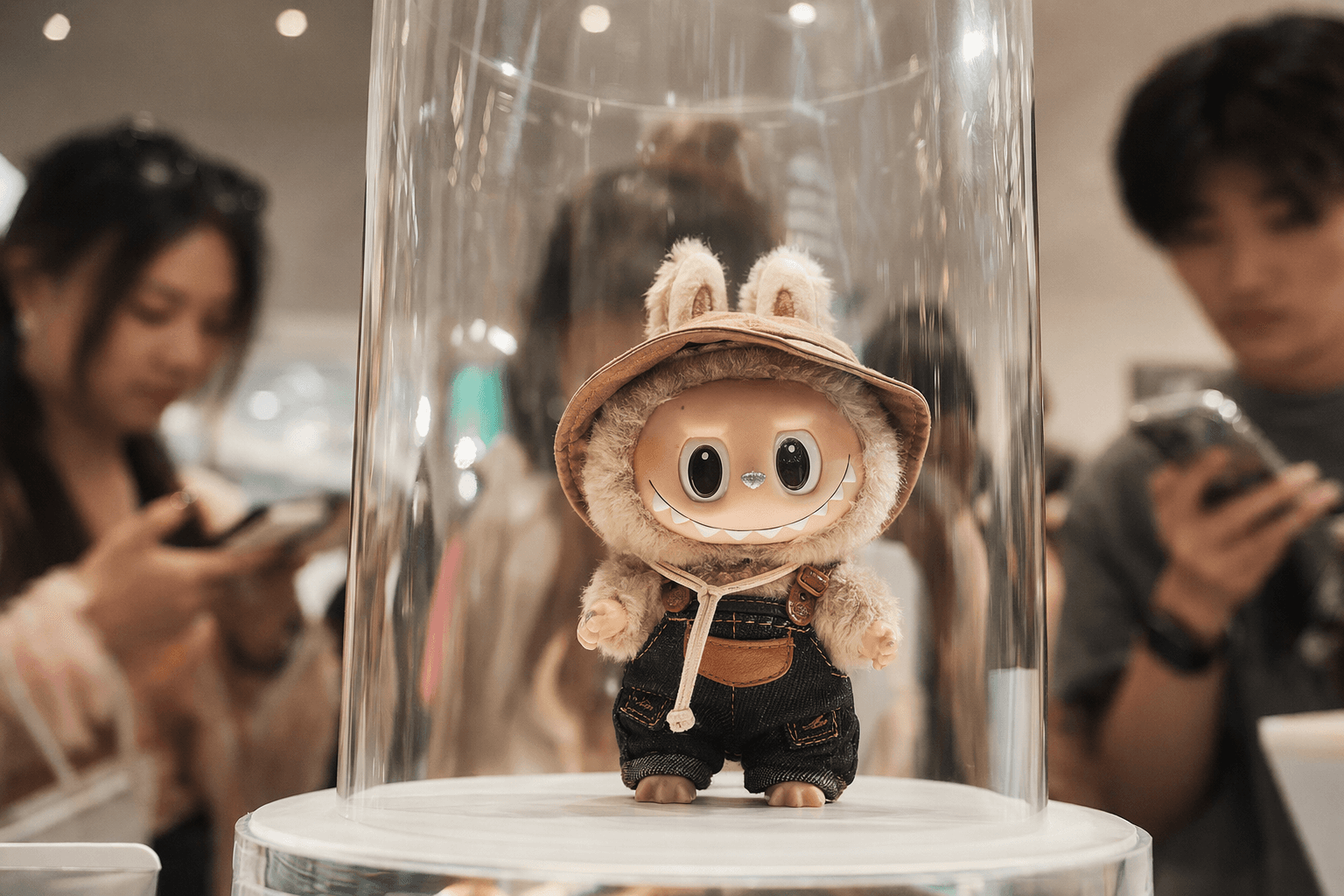
Labubu shows how scarce drops turn products into viral events
Labubu turned scarcity into spectacle, and Swatch’s latest drop shows how far that playbook now reaches. The collectors’ line has become a shorthand for urgency, queues, and viral demand.
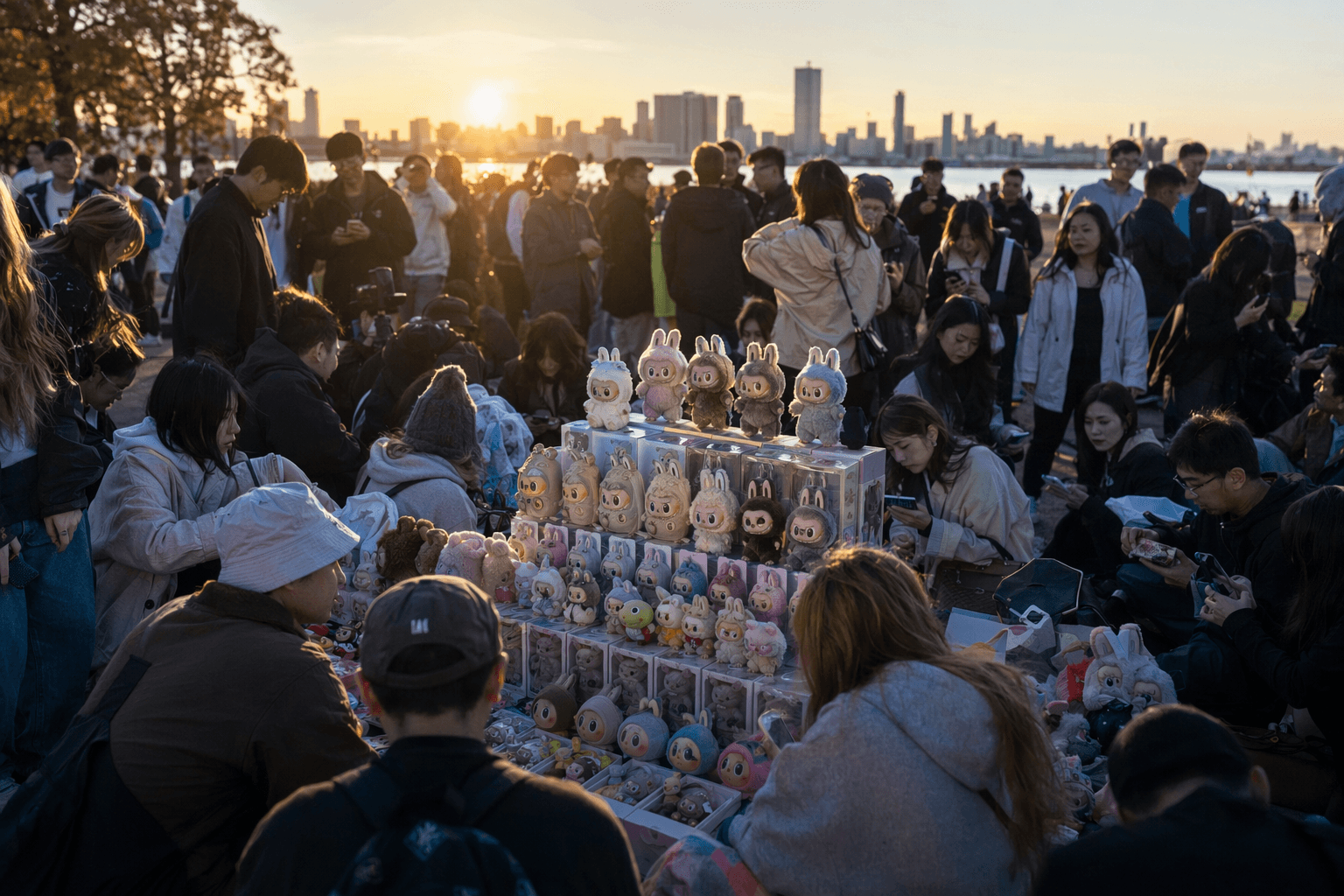
Labubu set the template for the modern drop
Labubu has become more than a toy line: it is the template brands now copy when they want a launch to feel like a cultural event. The real lesson is not just that fans want the monster plush, but that scarcity, surprise, and ritual can turn a product release into a shared moment with queues, resale chatter, and social-media fuel.
That is why Reuters used Labubu as a benchmark in its coverage of Swatch’s new Royal Pop pocket watch collaboration with Audemars Piguet. The comparison is telling. Labubu is no longer just a collectible from Pop Mart’s blind-box universe, it is proof that a limited drop can shape behavior far beyond toys, from sneaker launches to fast-food frenzies.
Why Labubu became the reference point
Labubu comes from Hong Kong illustrator Kasing Lung and his The Monsters universe, which gives the character a built-in story and a fandom that feels bigger than a single product cycle. That world-building matters because collectors are not just buying an item, they are joining a character-driven scene that rewards chase, surprise, and completion.
The scale of the craze backs that up. Reuters reported that Pop Mart’s 2025 revenue rose 185% year over year to 37.12 billion yuan, or $5.38 billion. That kind of growth shows Labubu is not simply a viral mascot, but a full commercial engine powered by collector demand.
The hardest part for brands to copy is not the toy itself. It is the behavior around it: the need to be first, the fear of missing out, the social proof of lining up, and the afterlife of the drop on resale and in fan circles. Labubu gave mainstream brands a clear signal that urgency can be the product.
What the Swatch rollout borrowed
Swatch and Audemars Piguet pushed that logic into watches with Royal Pop, an eight-model collection inspired by Pop Art and designed to be worn in multiple ways. According to the brands’ own launch details, the collection was unveiled on May 13, 2026 and went on sale May 16, 2026. Swatch described it as the Bioceramic Royal Pop Collection, built around eight pocket watches and a new hand-wound SISTEM51 movement.
The release was limited to select Swatch boutiques, which is exactly the kind of controlled distribution that turns buying into a hunt. That scarcity matters as much as the object itself, because it creates the tension that makes a launch feel shareable. In this case, Reuters reported that the rollout sparked debate and even scuffles at some stores, forcing the company to close certain locations and limit queues.
One confrontation outside a Swatch store in Milan was video-verified by Reuters, a reminder that tightly managed scarcity can move from hype to friction very quickly. For collectors, that kind of scene is familiar: the drop is no longer just about owning the item, but about surviving the process of getting it.
The same playbook keeps showing up elsewhere
Labubu sits in a wider family of launches that thrive on controlled access. Reuters drew parallels with Nike and Adidas sneaker drops that required police presence, plus the 2019 Popeyes chicken sandwich frenzy that ended in violence but still produced huge earned media value. The common thread is not the category, but the mechanism: limited supply, visible demand, and a crowd that turns release day into a performance.
Roman Pavlyuchenko of the University of Bath described the approach as extraordinarily effective from a branding standpoint. That makes sense because these drops generate their own storylines. Fans talk about the item, but they also talk about the line, the sellout, the chaos, and the people who got in or got locked out.
That is where Labubu proved especially powerful. It showed that collector culture does not need a traditional luxury frame to create urgency. A character with the right personality, a tight release system, and enough scarcity can do the same job.
The collector consequence is the real story
For the Labubu community, the consequence of this playbook is both exciting and exhausting. Scarcity can make a release feel special, but it also raises the stakes for every drop and pushes more buyers into the same narrow window. When the item becomes difficult to get, the ritual of the hunt starts shaping the culture around it.
Pop Mart already saw what happens when demand outruns control. On May 19, 2025, the company suspended in-store Labubu sales in the United Kingdom after long queues, crowd surges, and reported fights. It said online sales would continue and that it was working on a new distribution model to improve fairness and safety. That response matters because it shows the company understood the problem was not just demand, but how demand was being managed.
Wang Ning, Pop Mart’s founder and chief executive, has become closely associated with that growth story as Labubu helped turn the brand into a reference point for scarcity marketing. The broader signal is clear: mainstream brands are no longer just chasing attention, they are studying how Labubu turns attention into behavior.
What the Labubu playbook means now
Labubu’s real influence is not that other brands want to copy the toy. It is that they want the same social mechanics: the line, the surprise, the limited window, and the feeling that a launch matters because not everyone can have it. Once a product can create that kind of urgency, it stops acting like a standard release and starts behaving like an event.
That is the benchmark Labubu set. The drop is the story, the crowd is part of the product, and the scarcity is what makes the whole thing spread.
Know something we missed? Have a correction or additional information?
Submit a Tip