Labubu’s origins trace back to Kasing Lung’s fairy-world creations
Labubu began as Kasing Lung’s fairy-world character, and the details that define it today come straight from Nordic folklore, picture books, and a very specific creature design.
Labubu does not begin as a blind-box fad. It starts in Kasing Lung’s fairy world, where Nordic folklore, a mischievous face, and a very specific creature design turned a picture-book character into one of the most recognizable figures in designer toys. If you want to understand what makes a Labubu feel like Labubu, the clues are already there in the ears, the teeth, the expression, and the storybook roots.
Where Labubu comes from
Kasing Lung is a Hong Kong-born illustrator who grew up in the Netherlands, and that mix matters because it shaped the character’s visual language from the beginning. Britannica describes him as drawing on Nordic fairy tales about elves and other fantastical creatures, while Pop Mart frames THE MONSTERS as a fairy world he created in 2015. That is the starting point for Labubu, not the later collector frenzy.
Pop Mart says Lung began collaborating with How2work in 2011, turning his illustrations into three-dimensional art toys. That timeline is useful because it shows Labubu emerging from a larger practice, not arriving fully formed as a retail mascot. By the time the character became widely familiar, it had already lived in books, toy sculpture, and a larger fictional universe built around story rather than product alone.
What makes a Labubu look like a Labubu
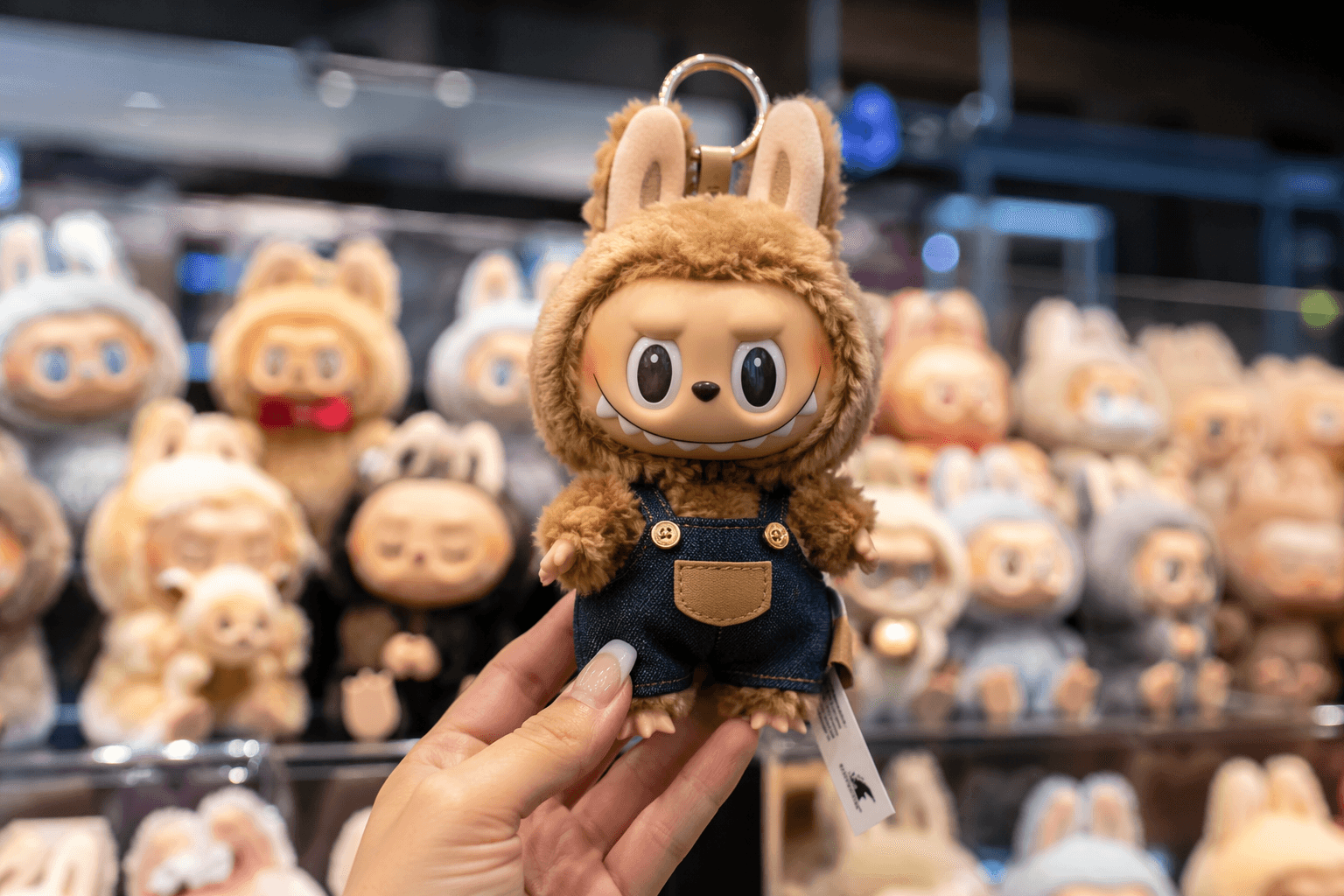
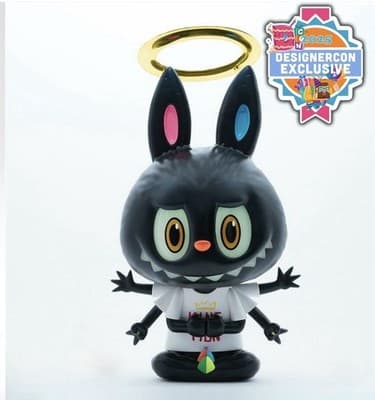
The quickest visual tells are the high pointed ears and serrated teeth. Pop Mart describes Labubu as a small monster with those features, and that combination is the reason the character can read as sweet and a little feral at the same time. The face often looks impish or caught mid-prank, which gives it energy even when the figure is sitting still on a shelf.
That tension is the heart of the design. Labubu is described as kind-hearted and always wanting to help, but that helpfulness often leads to accidental trouble. For a newcomer, that mix explains why the character lands differently from a standard cute mascot: it is not just soft or adorable, it has a faintly unruly edge that keeps it alive across formats.
Britannica adds another layer by describing the Labubus as an all-female tribe of elflike creatures living in the forest. That detail gives the character a mythic setting, not just a look. It places Labubu in a world of enchanted beings, which helps explain why the figure can feel at home beside mushrooms, woods, storybook scenery, and other fairy-tale motifs in current releases.
The books came before the boom
Pop Mart groups three picture books, *The Story of Puca*, *Pato and the Girl*, and *Miró’s Requiem*, as *The Monsters Trilogy*. That matters because it gives Labubu literary roots. Instead of starting as a random character dropped into a toy line, the world was first told in pages, then translated into objects.
Thinking of Labubu as part of a trilogy changes how the character reads on shelves today. You are not just looking at a standalone figure, you are looking at one piece of a larger authored universe. That is why the IP can stretch from books to art toys to plush forms without losing its identity, because the personality and the setting were built before the merch ever reached collectors’ hands.

Why the character feels both cute and uncanny
Labubu’s popularity is not just about being “cute.” The character’s appeal comes from how carefully the design balances softness against oddness. The pointed ears and sharp teeth create a little friction, while the kind-hearted personality keeps the creature approachable. That contrast is the reason fans keep reading the figures as expressive rather than generic.
The folklore influence helps too. Nordic fairy tales often carry a sense of mystery, trickery, and wilderness, and that atmosphere is visible in Labubu’s design cues. The character looks like it wandered out of an enchanted forest, but it also feels contemporary enough to sit comfortably in a pop-culture collection, which is part of why the form translates so well into vinyl figures, plushies, sculptures, and crossover releases.
How the story world sets Labubu apart in today’s releases
For a new collector, the easiest way to recognize what is distinctly Labubu is to look for continuity. The ears, teeth, and impish face show up again and again, but the deeper signal is the storytelling mindset behind them. Pop Mart’s description of THE MONSTERS as a fairy world created in 2015 makes clear that the character belongs to a larger narrative system, not just a single character mold.
That is why current Labubu releases often feel so anchored, even when they are visually playful. The character is carrying a whole mythology with it, one rooted in picture books, Nordic-inspired fantasy, and the early collaboration with How2work that turned drawings into dimensional objects. Once you know that, a Labubu figure stops looking like a random trend item and starts reading like a chapter from a continuing story.
How the wider world found Labubu
The character’s global breakout came much later than its creation. Britannica says Labubu’s popularity surged in 2024 after celebrities including Rihanna, David Beckham, and Kim Kardashian posted about the dolls on social media. That surge changed how many people encountered the character, but it did not change where it came from.
That distinction is useful for collectors now. The celebrity moment explains the wider visibility, but the origin story explains the object on the table, the figure in the box, and the reason the design feels more specific than a passing trend. Labubu did not start as a viral accessory. It started as a creature from Kasing Lung’s illustrated fairy world, carrying Nordic folklore into a form that could survive books, toys, and the shelf life of modern fandom.
Labubu still works because the original language is still there. The pointed ears, serrated teeth, mischievous face, and kind-hearted troublemaker personality are not decorative extras, they are the grammar of the character. Once you can read those cues, every new release feels less like a mystery and more like another step in the same enchanted world.
This article was produced by Prism’s automated news system from verified source data, official records, and press releases, then run through automated quality and moderation checks before publishing. The system is built and supervised by the people who set the standards it runs under. Read our full AI policy.
Did this article answer your question?