Sony Pictures Acquires Labubu Rights, Develops Feature Film Adaptation
Sony Pictures closed a deal to develop a Labubu feature film, betting the fanged blind-box phenomenon stays hot long enough to fill cinema seats.
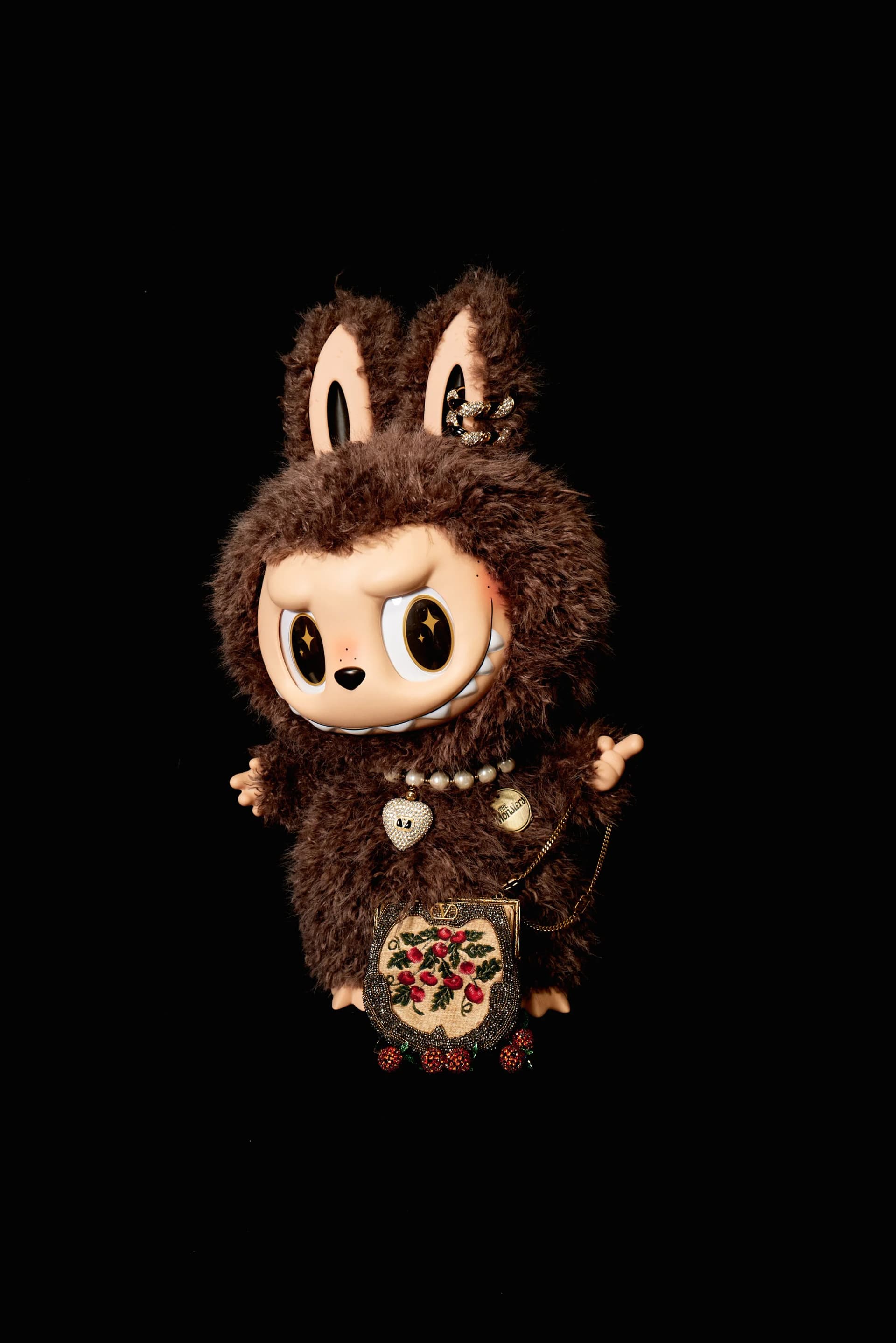
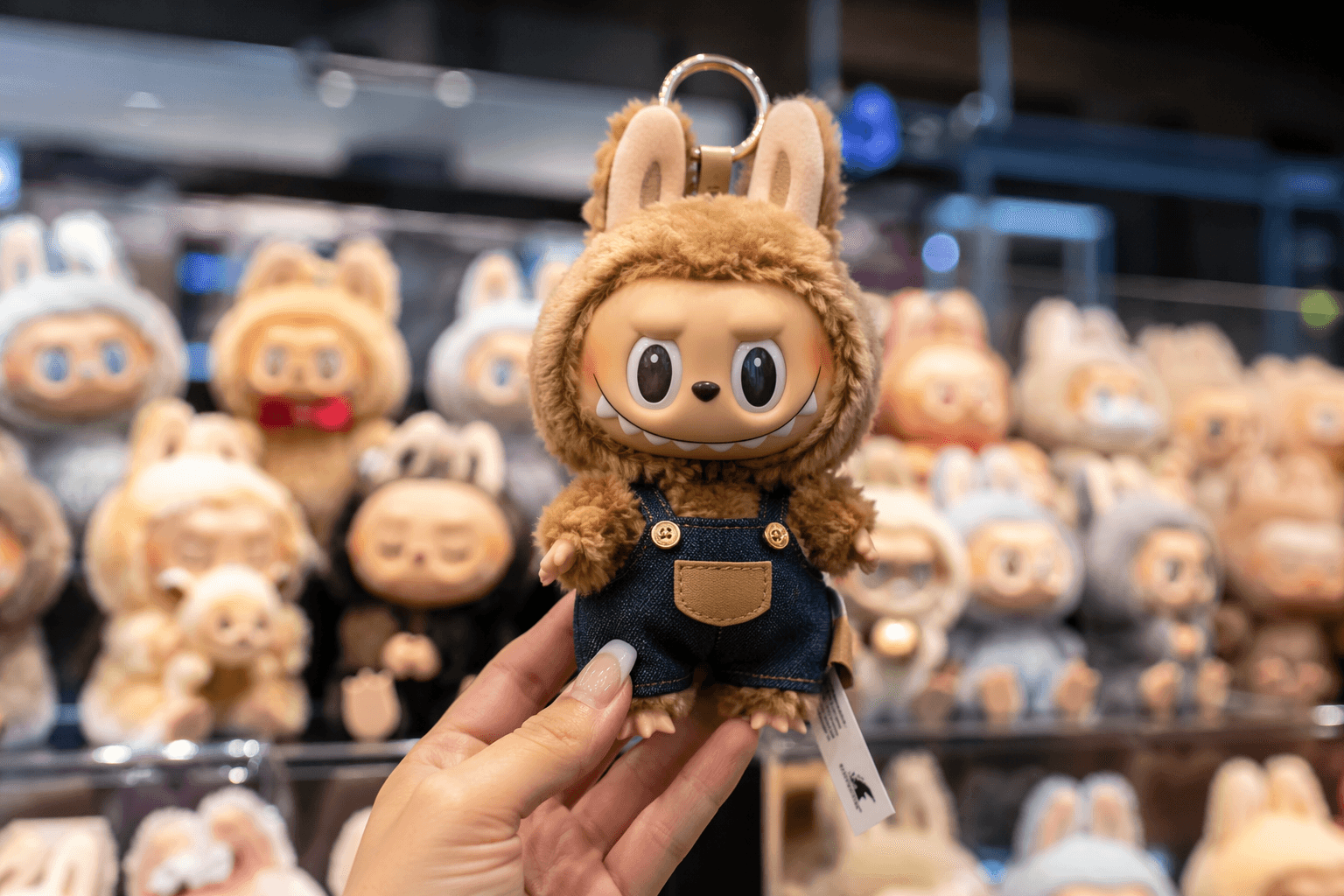
Sony Pictures has acquired screen rights to Labubu, Kasing Lung's fanged, elf-like rabbit from The Monsters collectible line, with the aim of developing a feature film and, if successful, launching a full franchise. The Hollywood Reporter's Borys Kit broke the news, with Variety's J. Kim Murphy and Hypebeast following close behind.
The project is sitting at ground zero of development. No director, producer, or cast member is publicly attached, and Sony declined to comment when contacted by both The Hollywood Reporter and Variety. The Hollywood Reporter states the deal was signed this week, though no calendar date has been confirmed. On format, The Hollywood Reporter and The Guardian both say it is too early to tell whether the film will be live-action or animated. Hypebeast reports Sony is proceeding with a live-action feature, but given that Sony itself has not commented, that characterization should be taken with a grain of salt until the studio speaks publicly.
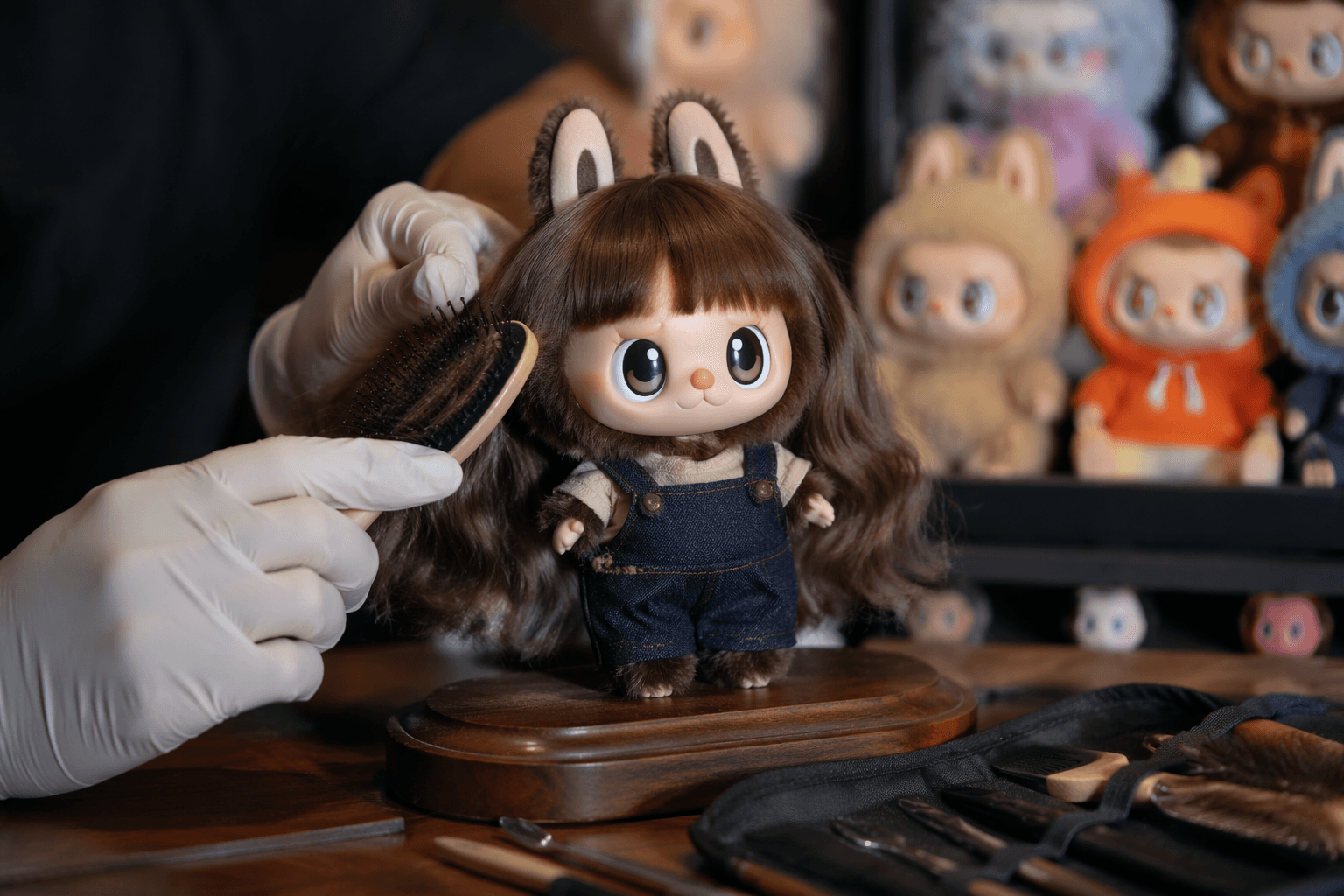
The IP has a clear origin story worth knowing before the speculation machine kicks into overdrive. Kasing Lung, a Hong Kong-born, European-based artist, created the character as part of The Monsters figurine line, initially manufactured by How2 Work. Pop Mart, the Chinese toymaker and retailer, took over production and sales in 2019, and that is when the brand's commercial trajectory changed entirely. Labubu first hit shelves in 2015, but the mainstream explosion came far more recently. Pop Mart launches now sell out within minutes, the company's profits reportedly rose 350 percent in the past year alone according to The Guardian, and limited-edition versions have sold for six figures at auction in what Variety calls a "fiendish and occasionally intensely upcharged secondary market."
The blind-box packaging is a significant part of why secondary market demand runs so hot. Buyers do not know which character they are getting until the box is opened, which drives repeat purchases and speculative reselling. That same mechanic has made Labubu a social object, something to film, share, and trade, which fed directly into the celebrity endorsement cycle that pushed the IP into mainstream consciousness. Blackpink's Lisa told Teen Vogue "Labubu is my baby," and NBA player Dillon Brooks arrived to a playoff game in May wearing one on a chain. "I like the Labubus. I got like four of them," Brooks said in an October interview. "I like the trend. It's cool and... Um... It's cute."
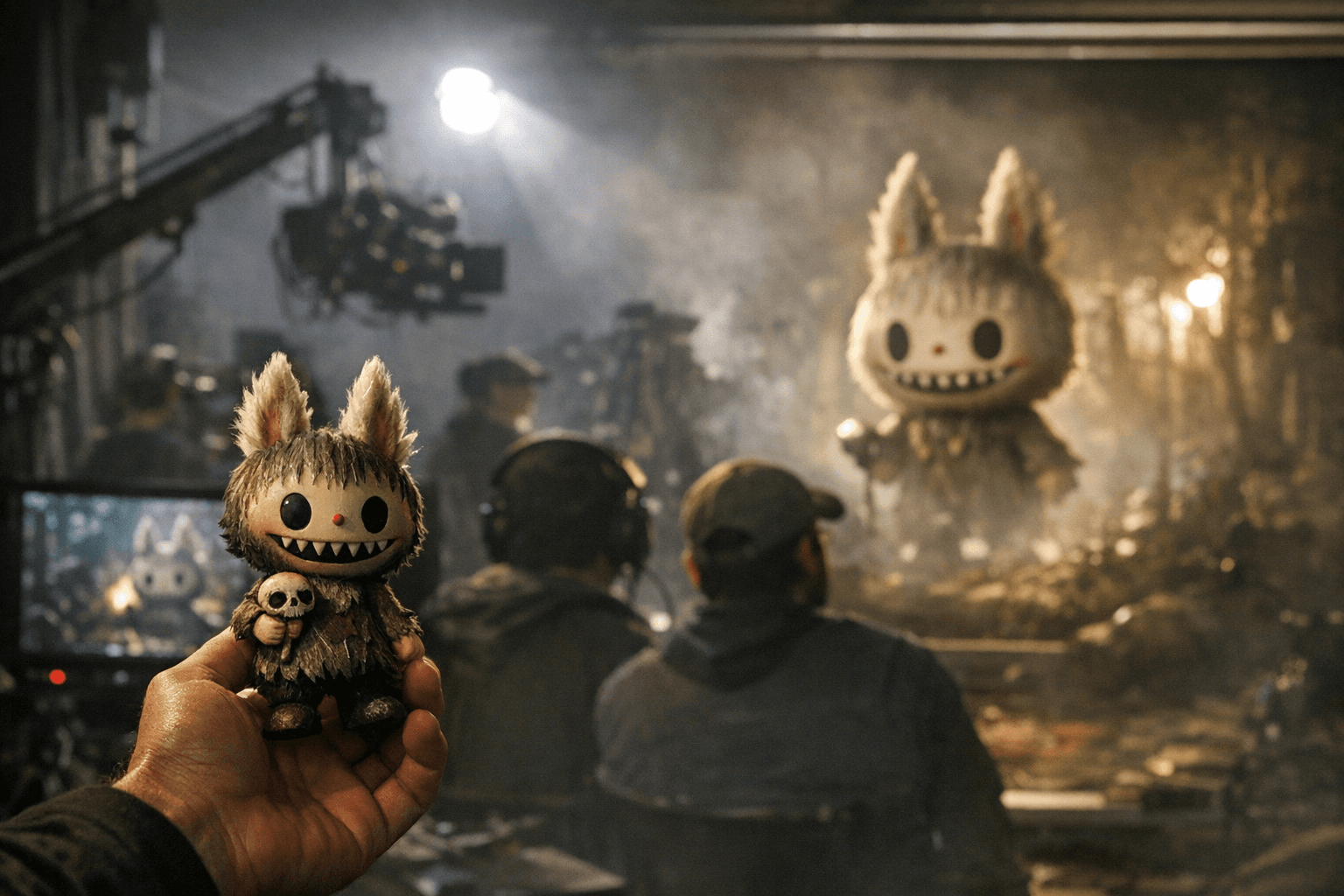
Sony is the studio behind the Jumanji franchise and, through its animation division, KPop Demon Hunters, so it has relevant precedent for both IP adaptations and projects with Asian cultural roots. The Guardian frames the Labubu deal as part of a broader inversion of the Hollywood merchandise pipeline, where toys now generate films rather than the other way around. The Barbie film, which cleared $1 billion at the global box office in 2023, accelerated that thinking across the industry. Sony and Mattel separately announced a partnership this week for a film based on the View Master game, underscoring how aggressively the studio is pursuing toy IP.
If the film expands beyond Labubu as lead character, The Monsters universe has more to draw from. The Guardian identifies Zimomo, Mokoko, and Tycoco as potential supporting characters from the line. Variety notes plainly that feature development is a years-long process and that acquiring these rights is "a bet on the brand remaining relevant enough down the line to draw a filmgoing audience." It is an honest framing. The community knows better than anyone how quickly collectible heat can shift.
This article was produced by Prism’s automated news system from verified source data, official records, and press releases, then run through automated quality and moderation checks before publishing. The system is built and supervised by the people who set the standards it runs under. Read our full AI policy.
Did this article answer your question?