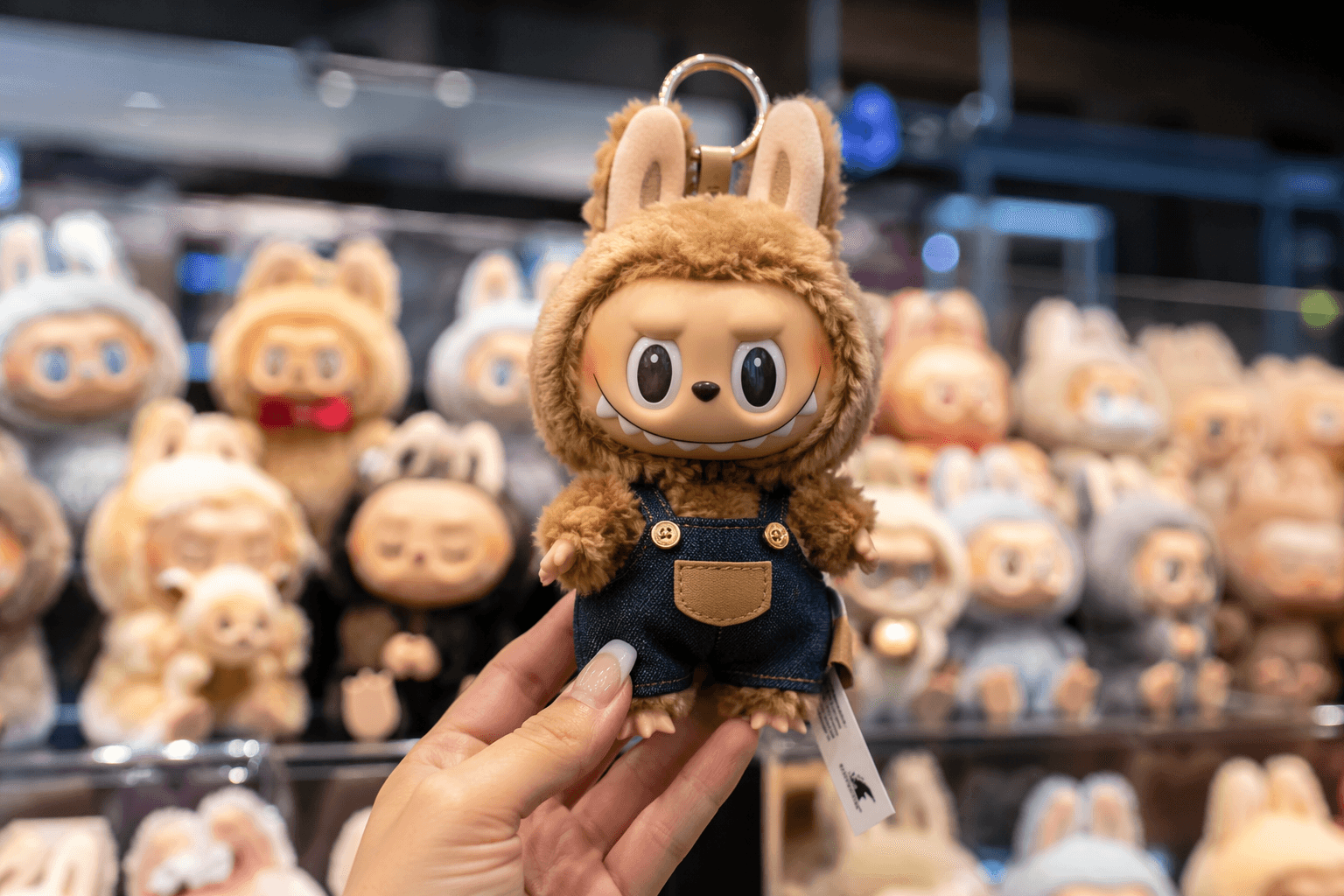
Trusted Resources Help Labubu Hobbyists Verify Drops and Authenticate Rarer Pieces
Use Pop Mart announcements, community verification hubs, photo-ID standards, and provenance paperwork to beat fakes and protect value as the Labubu market swings.

1. Pop Mart official channels
Pop Mart’s own release notices, social feeds, and official product pages are the baseline for confirming exact drop times, SKUs, and edition sizes. When resale swings reached headlines, with reports of up to 2,000% markups on rare pieces, relying on the company’s statements prevented countless buyers from chasing fakes or mistimed drops. Bookmark the official announcement streams and save press images and SKU text; those original assets are the primary evidence in any later authenticity dispute.
2. release calendars and pre-order confirmations
A verified drop calendar and your order confirmation numbers are the quickest way to show provenance for modern Labubu releases. Preorders with time-stamped receipts and PO numbers resolve most “did it drop?” arguments before you consolidate a trade or list a piece; when collectors shifted toward showcasing displays rather than flipping, calendar-backed acquisitions became the industry standard for proving intent and chain of custody. Keep screenshots of checkout pages, timestamps, and payment references in a single folder for every purchase.
3. factory marks, hang tags, and serial codes
Many genuine Labubu variants carry factory stamps, internal serial codes, or distinctive hang-tag text that forgers often miss or misprint. Inspect bases, seams, and interior molding for consistent mold marks and compare them to verified photos from official channels, a mismatched font, misplaced dot, or truncated code can be an immediate red flag. For pieces commanding the highest premiums, these physical identifiers are as important as paper provenance.
4. collector-run databases and variant registries
Community-maintained databases that log variant counts, release numbers, and sightings are indispensable when a drop contains secret or limited chase figures. These registries consolidate sightings and print-run claims so you can quickly see whether a “rare” Labubu matches the community’s recorded universe. Given the market’s scale, industry reporting has pointed to roughly $418M in broader collectible sales signaling mainstream demand, curated registries help you distinguish authentic low-print pieces from opportunistic relists.
5. moderated Discords and Telegram channels
Real-time verification happens in Discord and Telegram rooms where collectors post in-hand photos, receipt timestamps, and live unboxing notes. Moderated servers with strict photo and receipt rules are where you’ll see the fastest corroboration of a drop or an emerging counterfeit pattern; active communities often detect variant alternations or label errors within minutes. Use servers with moderators who archive proofs and enforce verification tags to minimize exposure to bad information.
6. photo-ID guides and high-res comparison sheets
A consistent photo-ID protocol reduces disputes: frame the piece from the same angles, include a ledger with date and username, and take macro shots of paintwork, joint seams, and bases. High-res comparison sheets let you compare eye shapes, paint edge placement, and sculpt details against confirmed examples; these micro-differences are where most fakes fall apart. If you’re preparing a sale or an authentication request, a standardized multi-angle photo set speeds up community or pro review.
7. professional authentication and grading services
For Labubu specimens approaching the top of the market’s premium tiers, independent authenticators and graders provide a third-party opinion that buyers trust. When resale markups have historically hit extremes, remember the 2,000% spikes noted across some variants, a graded or authenticated opinion can materially raise buyer confidence and reduce disputes. Choose services that provide a clear, documented criteria list and returnable reports you can attach to any listing.
8. price trackers and resale analytics
Use market trackers and historical sales logs to spot sudden spikes or unusual listings that could indicate counterfeits or misgraded items. With collectibles markets registering hundreds of millions in turnover, anomalous listings, multiples at extreme premiums, or identical photos across different sellers, often signal manipulative behavior or fraud. Track average final-sale prices, not asking prices, and watch for abrupt shifts that deviate from the item’s recorded scarcity in community registries.
9. trusted secondary marketplaces with protection policies
When you must buy or sell on the secondary market, prioritize platforms that enforce seller verification, buyer protection, or escrow services. Platforms that require shipment tracking, verified seller IDs, or returns windows dramatically reduce the risk when exchanging higher-value Labubu pieces. If a listing lacks clear provenance, receipts, original packaging photos, or a verified seller history, treat it as higher risk regardless of the asking price.
10. original packaging, receipts, and provenance files
Retain original boxes, inner sleeves, hang tags, and every receipt; documented provenance is the easiest way to defeat a counterfeit claim. When a piece’s scarcity can trigger dramatic markups, having a matched set, receipt + box + verified in-hand photos, converts potential buyers from skeptical to comfortable. Store digital copies in a dated folder and keep the physical items together; provenance often travels farther than the figure itself in contested sales.
11. local meetups, fairs, and in-person authentication
Face-to-face swaps at trusted meetups or conventions remain one of the most reliable authentication paths. Inspecting paint, weight, and tactile details in person nullifies many online tricks and gives you the chance to see packaging seals and hang tags firsthand. When community trends shifted from flipping to display collecting, in-person verification reasserted itself as a primary deterrent to widespread counterfeiting.
- Include at least five angles: front, both sides, back, and base;
- Add macro shots of eyes, paint edges, and seams;
- Place a dated ledger with your handle and the transaction ID in one frame;
- Include the original box and a photo of the receipt or preorder confirmation.
12. photo verification checklist for trades
Use this checklist for every trade or sale. Standardized photographic proof shortens dispute resolution and gives buyers the confidence that underpinned the market’s decades-long growth.
13. watch for market signals and community narratives
Pay attention to headlines and community narratives, the way the Labubu story was framed in coverage like “Labubu Craze Cools, Pop Mart Stock Slumps as Resale Prices Drop” changed how collectors reacted to releases. When narrative shifts coincide with sales anomalies, use extra scrutiny: verify with official assets, cross-check registries, and demand stronger provenance. Markets that once fed 2,000% spikes can correct quickly; being methodical protects both collectors and the culture.
Conclusion Protecting your Labubu collection means combining official Pop Mart evidence, rigorous photographic standards, verified community intelligence, and paper provenance. As the market cycles between feverish markups and cooling waves, these trusted resources keep authenticity disputes short and high-value trades secure, and they let you focus on displaying the pieces you love, not policing listings.
This article was produced by Prism’s automated news system from verified source data, official records, and press releases, then run through automated quality and moderation checks before publishing. The system is built and supervised by the people who set the standards it runs under. Read our full AI policy.
Did this article answer your question?