Addis Ababa workshop advances cleaner, circular leather manufacturing in Africa
Addis Ababa's green tannery push spotlighted enzyme-based unhairing and waste-to-fertilizer pilots, with ELICO signaling interest in commercial use.
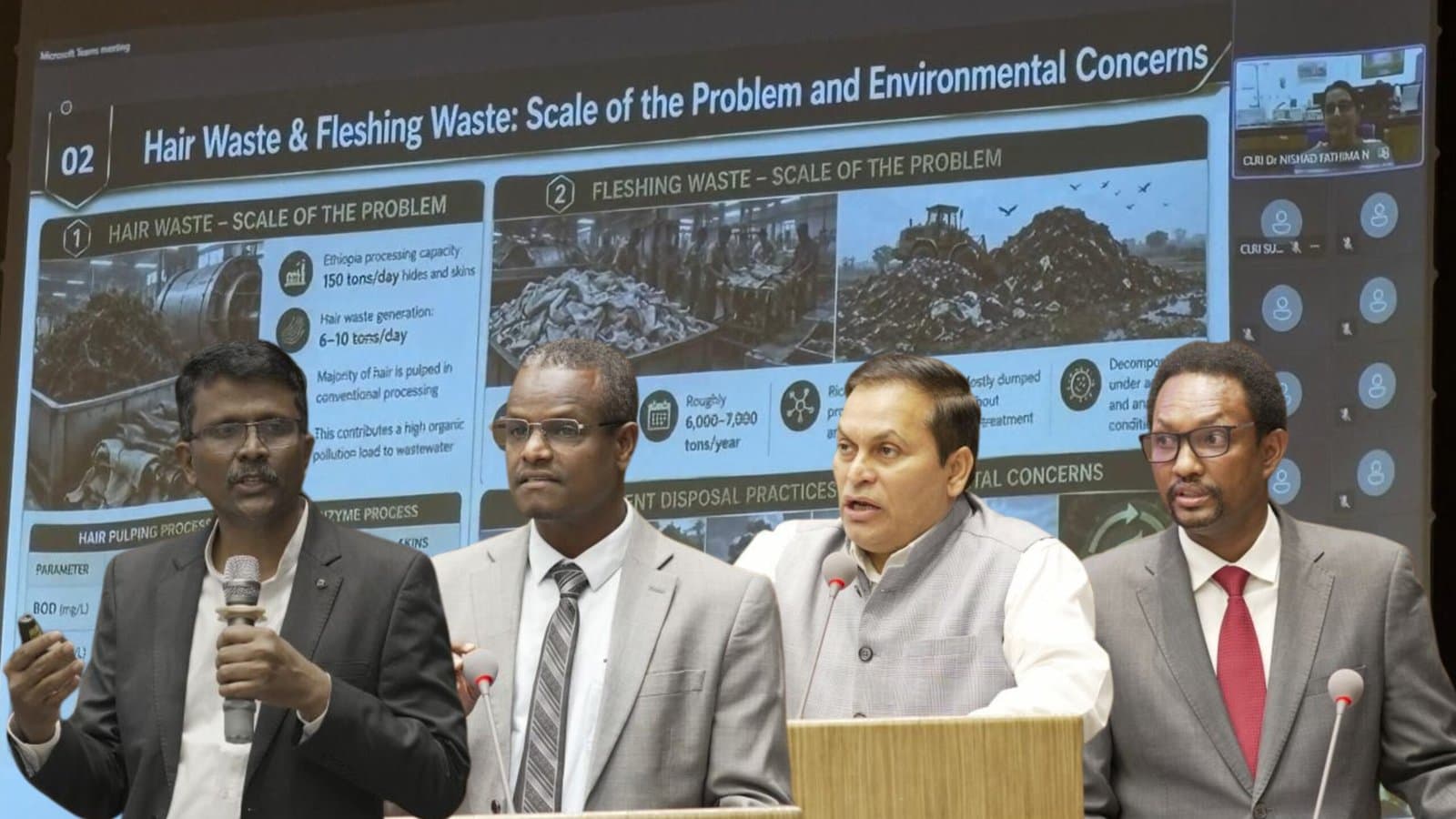
Addis Ababa's SMEP Green Tannery Initiative closed on June 25 with more than 75 people in the room and more than 40 online, turning a pilot into a public test case for cleaner tanning. The workshop brought together India’s ambassador to Ethiopia and permanent representative to the African Union, Anil Kumar Rai, and Ethiopia’s state minister of industry, Tarekegn Bululta, alongside government representatives, industry stakeholders, development partners, regional organizations, research institutions and academics.
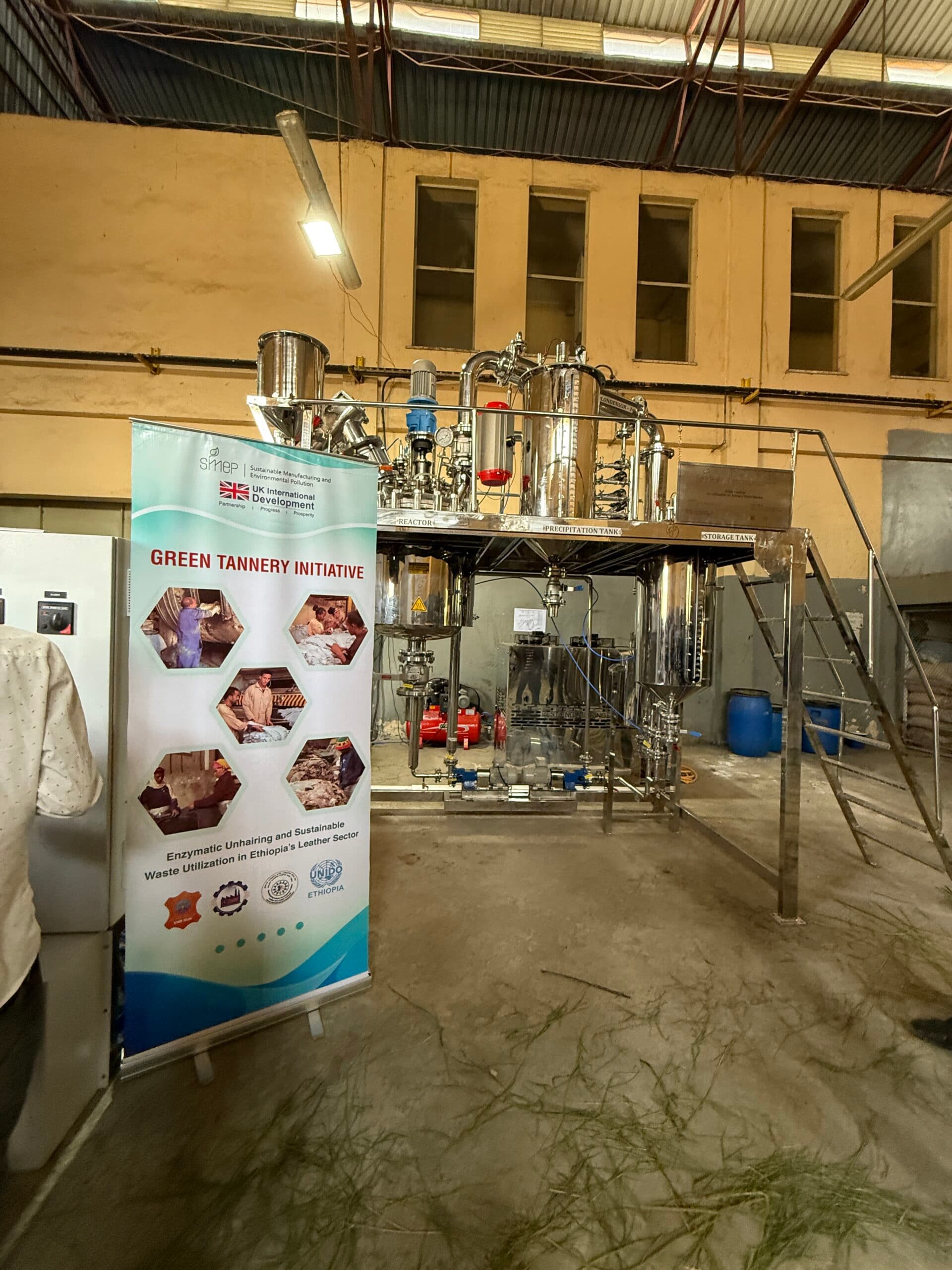
The project, led by CSIR-Central Leather Research Institute with Ethiopia’s Leather and Leather Products Industry Research and Development Centre and support from UNIDO’s Leather Division, focused on one of tanning’s most polluting early steps: unhairing. SMEP framed the shift plainly, replacing harmful sodium sulphide with enzymes so tanneries can cut back on the older sulphide-lime route. For leathercrafters, that is the kind of upstream change that can eventually show up in cleaner supply chains and stronger sustainability claims from hide suppliers.
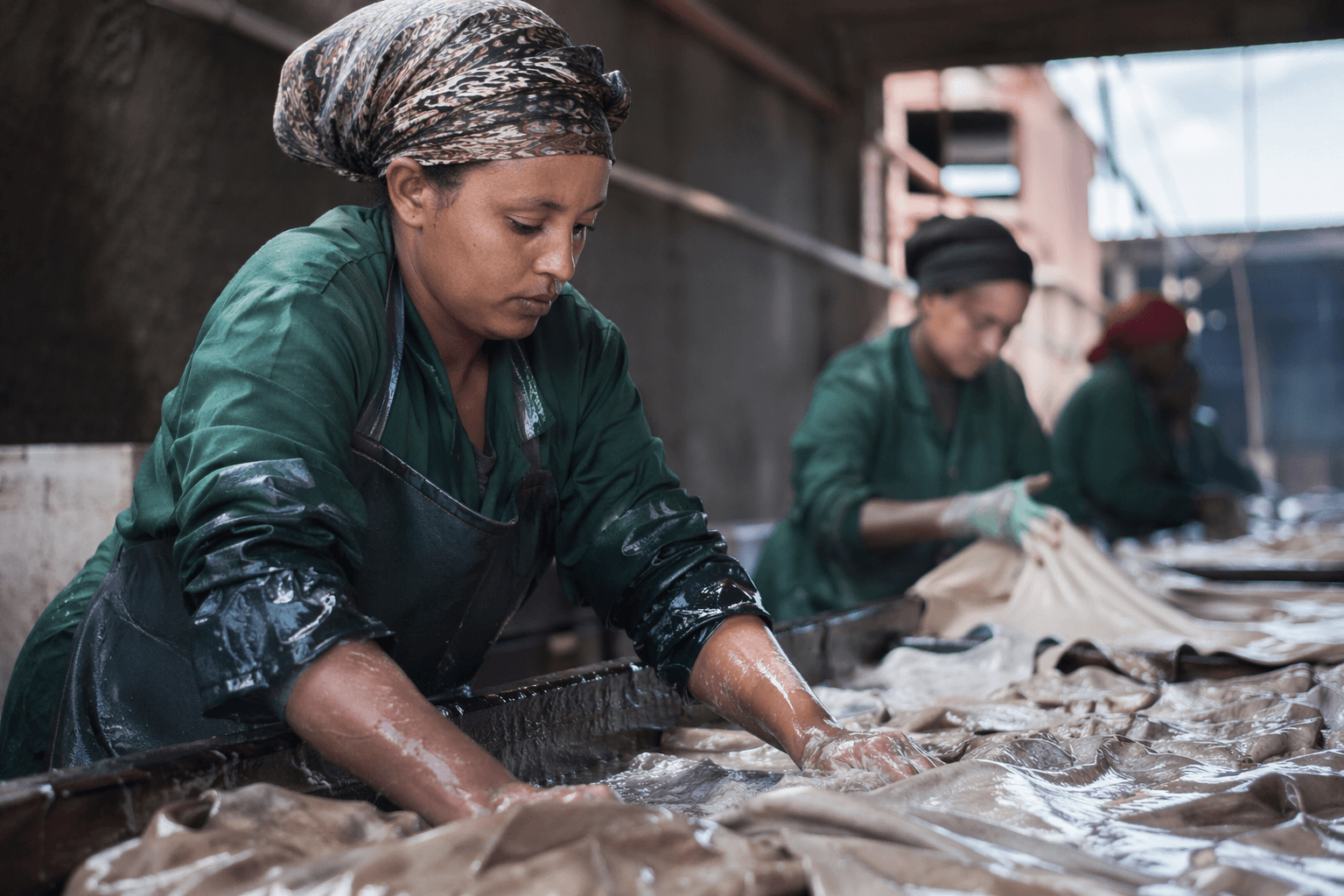
ELICO’s participation gave the workshop its most practical edge. The Ethiopian tannery shared its experience with enzymatic unhairing and signaled interest in commercial adoption, the point where a technical trial starts looking like a real process change rather than a demonstration. The project also planned to pilot enzymatic unhairing at five Ethiopian tanneries and carry out a cost-benefit analysis, a sign that commercial viability was part of the brief from the start.
The second half of the agenda dealt with what tanneries usually pay to haul away: hair, fleshings and other solid waste. SMEP said the project aimed to convert those streams into value-added products, including organic fertiliser, and described the work as a circular-economy model rather than a simple pollution-control fix. That matters in a trade where waste handling can shape both operating costs and the environmental story attached to finished leather.
The timing also fit Ethiopia’s wider leather policy push. The country has 27 operating tanneries, most still relying on underground fresh water and conventional processing technologies, and earlier reporting linked cleaner leather production to the planned Leather Industrial Park in Mojo, where competitiveness and environmental compliance are now part of the same conversation. In Addis Ababa, the workshop made the cleaner tannery question concrete: whether enzymes, waste valorisation and costed pilots can move from project language to daily practice across Africa’s leather sector.
This article was produced by Prism’s automated news system from verified source data, official records, and press releases, then run through automated quality and moderation checks before publishing. The system is built and supervised by the people who set the standards it runs under. Read our full AI policy.
Did this article answer your question?