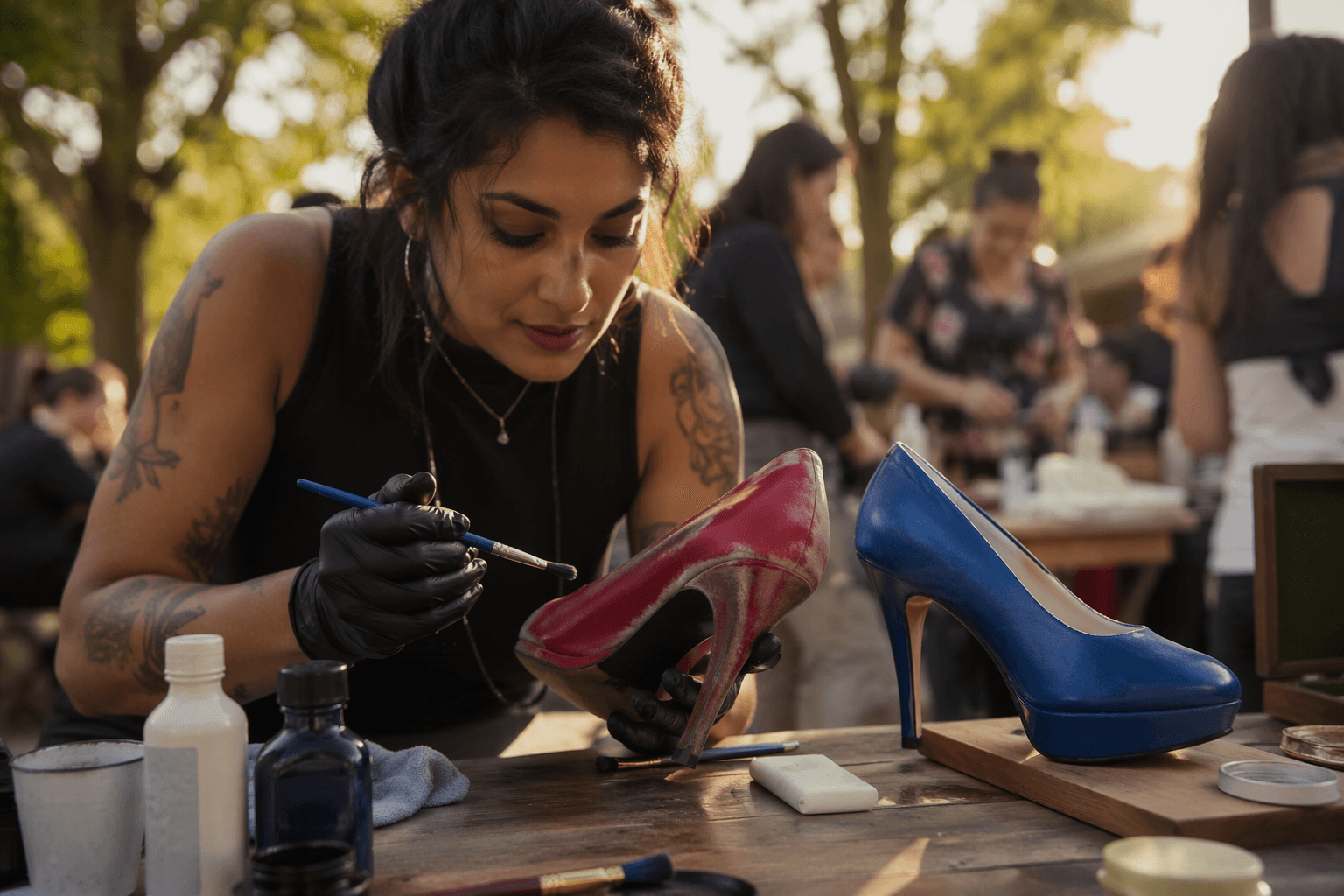
Beginner leathercraft kits make wallets and keychains less intimidating
A good first leathercraft kit gives you a wallet or keychain-sized win, not a pile of tools. The best sets bundle the basics, clear instructions, and room to personalize.
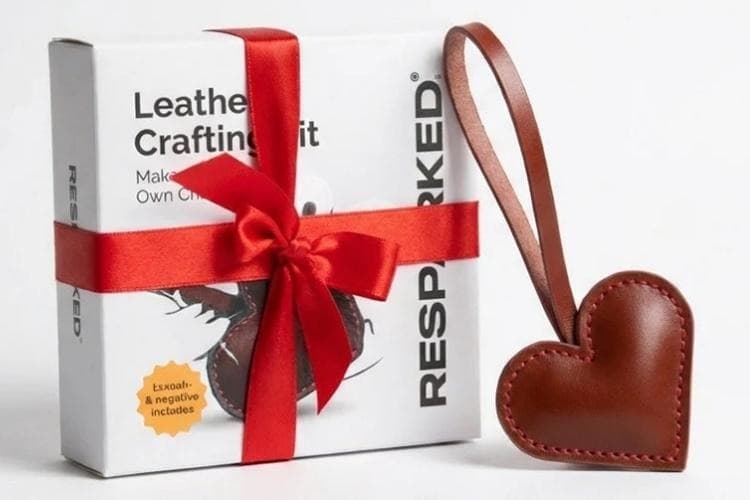
A wallet, keychain, or coaster set is a more workable first leathercraft project than a stack of hides and a bench full of unfamiliar tools. A starter kit shrinks the job to something you can finish, teaching the sequence without overwhelming you.
What a starter kit should actually contain
The strongest beginner kits keep the setup simple and specific. Chronogram’s starter-kit essentials are pre-cut leather pieces, basic hand tools such as an awl and a lacing needle, sometimes a hole punch, plus waxed thread or lacing cord and a printed template or instruction sheet. That combination lets you practice assembly, stitching, and alignment without also having to figure out how to cut every piece from scratch.
Tandy Leather’s kits follow the same logic. Each kit includes pre-cut leather and step-by-step instructions to help you create a finished piece with confidence. On its getting-started page, Tandy also points newcomers toward attainable projects, how-to videos, in-store classes, and gift options.
Why small projects beat ambitious first builds
Wallets and keychains make sense because they force you to learn the basics at a size you can handle. A wallet teaches you to keep edges lined up and seams consistent. A keychain or luggage tag gives you a faster finish, which matters when you are trying to learn hand stitching, hole spacing, and clean edge work without committing to a weekend-long build.
That small-project logic is visible in the market itself. Tandy’s current kits collection includes key fobs, luggage tags, card cases, coasters, and wristlets, all of which fit the beginner-friendly pattern of compact, completion-ready projects. Weaver Leather Supply’s kit lineup does the same thing with beginner tool kits and small project kits such as keychains and luggage tags.

How to tell a worthwhile kit from a frustrating one
A good starter kit removes decisions that can stall a beginner. Weaver Leather Supply calls its leathercraft kits a curated set of tools and materials made specifically for new makers, with “nothing extra, no fluff.” That is the standard to look for: enough material to finish the project, not a box stuffed with pieces you will not understand how to use yet.
When you compare kits, focus on four practical points:
- Project complexity: choose a shape and finish you can complete in one sitting or over a weekend.
- Leather thickness: heavier leather can feel sturdy, but it can also be harder to punch and stitch cleanly.
- Tool quality: an awl, lacing needle, and hole punch need to work smoothly, not fight you.
- Instruction clarity: a clear printed template or step-by-step sheet matters as much as the leather itself.
That checklist prevents the most common beginner mistake: buying a kit that looks impressive but hides too much difficulty in the cuts, spacing, or stitching.
Personalization is part of the lesson
A starter kit can still produce a personalized piece. New crafters often want to add initials or simple designs once the base project is assembled, and a beginner engraving pen makes that easier without demanding advanced carving skill. Tandy’s kits page highlights customization with paints, dyes, patterns, and finishing touches. In practice, that means a small wallet or keychain does not have to stay generic.
Why the beginner-kits market keeps growing
Britannica dates leather use to more than 7,000 years ago. Leather is animal skin or hide preserved through tanning. Common leathers come from cattle, sheep, goats, equine animals, buffalo, pigs, and some aquatic animals.
The National Endowment for the Arts’ Indicator B.4 uses American Time Use Survey data to track participation in arts activities, including arts and crafts as a hobby. The U.S. Bureau of Labor Statistics published a 2026 note on average time spent on selected hobbies in 2024, which included arts and crafts. Statista’s U.S. crafts and creative activities coverage places the category in a popular part of the hobby market.
This article was produced by Prism’s automated news system from verified source data, official records, and press releases, then run through automated quality and moderation checks before publishing. The system is built and supervised by the people who set the standards it runs under. Read our full AI policy.
Did this article answer your question?