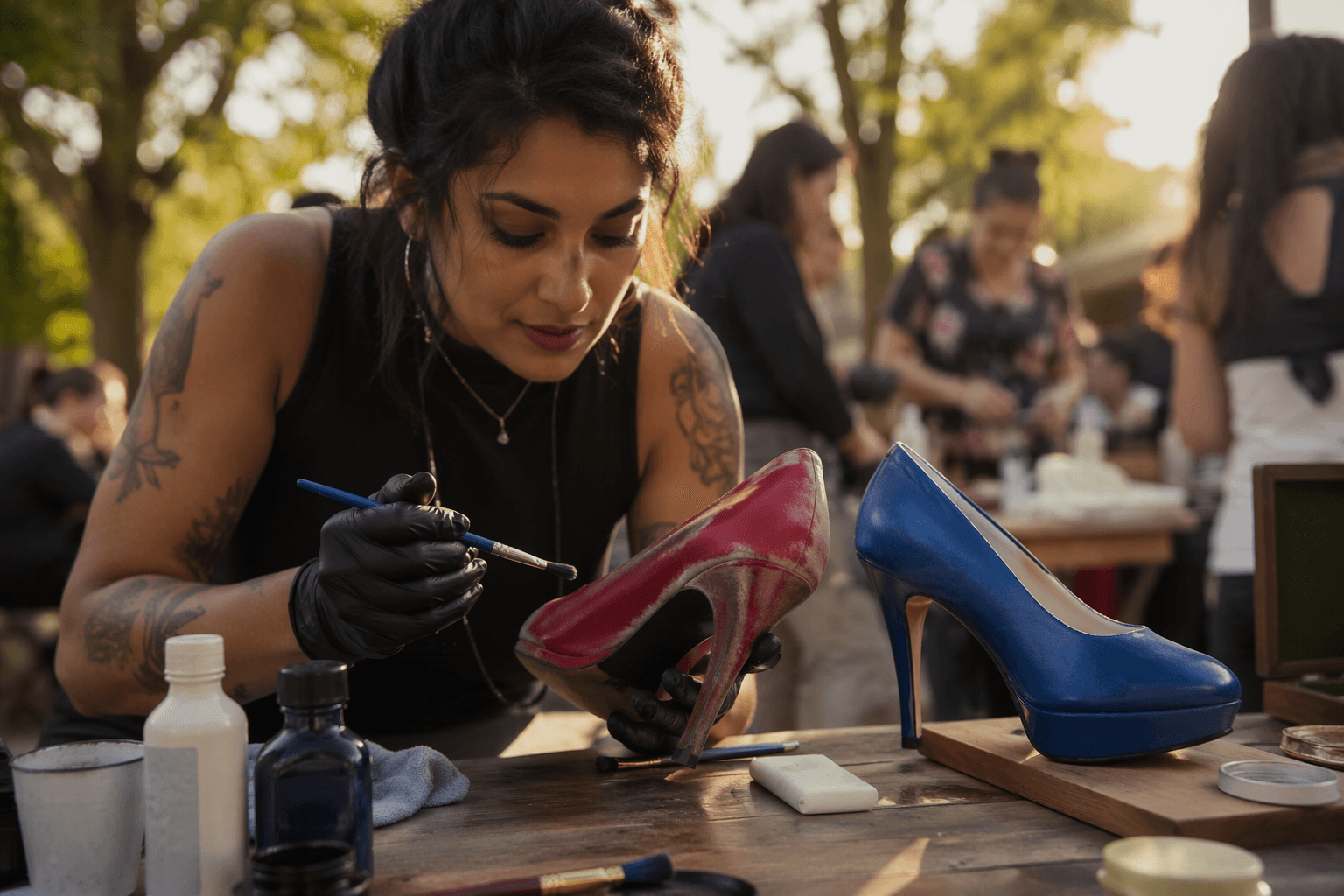
LeatherCraft Mastery restores worn suede clogs to premium condition
A battered pair of suede clogs becomes a lesson in repair, with nap work and finishing doing the heavy lifting. LeatherCraft Mastery makes restoration look like the smarter buy.

LeatherCraft Mastery turns a badly worn pair of suede clogs into a clean, premium-looking finish that feels closer to a fresh purchase than a rescue job. The June 2, 2026 upload runs 21:06 and had 413 views about 21 hours after posting.
Repair is the channel’s main story
The clog project does not sit in isolation on the LeatherCraft Mastery channel page. The channel showed 29.7K subscribers and 835 videos, and the surrounding upload pattern included several other footwear-restoration pieces posted across the same stretch of days, making repair the maker’s current focus rather than a one-off detour from wallets and bags.
The title, “Satisfying Suede Clog Restoration: From Worn-Out to Brand New,” promises a transformation, and the runtime gives enough room for a real process rather than a quick cosmetic cover-up. For leatherworkers, that is the attractive part of restoration: the job has to work visually, but it also has to hold together as a piece of wear.
Suede asks for a lighter hand
Suede needs a lighter hand than smooth leather, and that is why this kind of project has such a specific appeal. Bespoke Unit recommends brushing the material to restore the nap, cleaning it with suede-specific cleaner, protecting it with spray, and storing it in a cool, dry place. That advice lines up with the kind of delicate handling a clog restoration needs, because suede can be revived beautifully, but it is easy to mark if you rush it.
That is the first decision point in any suede rescue. If you lean too hard with cleaning or finishing, you can flatten the texture that gives suede its character in the first place. If you stay patient, work in stages, and respect the nap, you end up with a surface that looks refreshed instead of scrubbed flat.
A good suede restoration is not just about hiding wear. It is about recovering the feel of the material, which is why the best result often comes from slowing down on the prep and being deliberate with the finish.

A proper restoration has to handle more than dirt
The Leather Laundry’s shoe repair and restoration list includes deep cleaning, colour restoration, heel replacement, sole repair, patchwork, and suede care. Those are not cosmetic flourishes; they are the decision points that separate a pair worth saving from a pair that is only getting a surface polish.
Clogs sit in the awkward middle ground between style object and daily wear item. A worn upper can make them look tired, but a compromised heel or sole changes how the shoe wears and how long the fix will last. Restoration businesses frame this work as a way to extend the life of footwear by years.
In practice, that means knowing when to stop treating the job like cleaning and start treating it like repair. Colour work can revive faded suede, patchwork can address damaged areas, and sole or heel work can reset the structure beneath the surface.
Why makers keep coming back to projects like this
A suede clog makeover sits right at the intersection of restoration, color work, and finishing, which is a useful reminder that the craft is not limited to traditional bag or wallet making. It also fits the upcycling mindset that has become central to hobby leathercraft: instead of discarding expensive shoes, you rebuild value with labor, patience, and the right sequence of prep and finish steps.
The other reason these videos work is visual. A heavily worn shoe with a dramatic before-and-after payoff teaches faster than a tidy bench shot ever will. You can see what cleaning did, what nap recovery changed, and why the final finish has to respect the material instead of burying it.
This article was produced by Prism’s automated news system from verified source data, official records, and press releases, then run through automated quality and moderation checks before publishing. The system is built and supervised by the people who set the standards it runs under. Read our full AI policy.
Did this article answer your question?