Ancient bone tools reveal leathercraft’s 400,000-year-old roots
Leathercraft reaches far deeper than most makers expect. Bone tools from 400,000 years ago already trace the same hide-working logic still alive at the bench today.
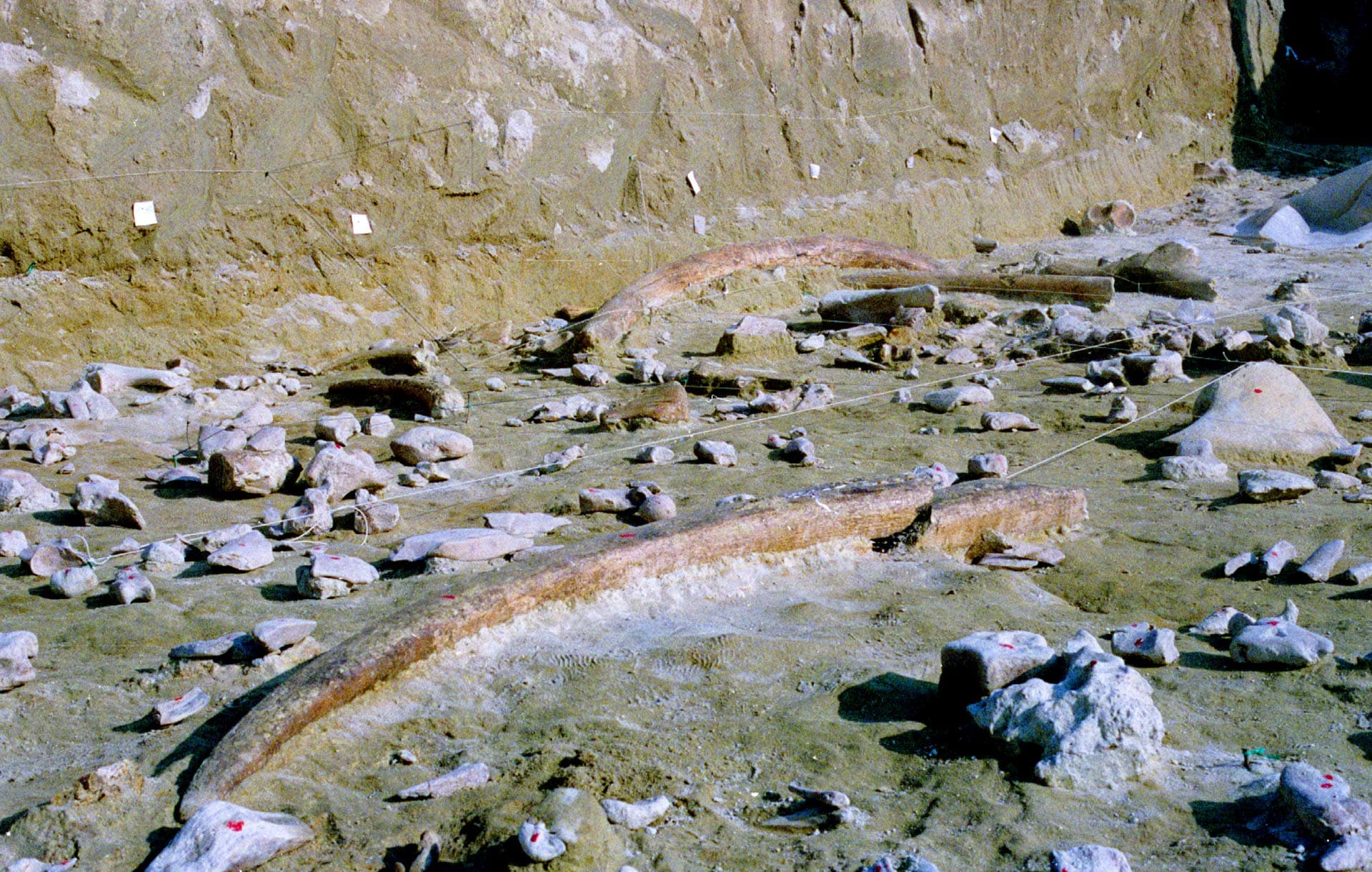
Leathercraft is older than most of the crafts people picture when they think about making by hand. At Castel di Guido, just outside Rome, a Middle Pleistocene site dated to about 400,000 years ago has produced 98 verified human-made bone tools, the highest number of flaked bone tools published so far for pre-modern hominids. Among them are smoothers and intermediate pieces, and that matters because it looks less like a random bone in use and more like an early hide-working chain.
The first maker technology
What makes Castel di Guido so striking is not just its age, but its method. Paola Villa, Harold L. Dibble, and their colleagues showed that earlier publications had overestimated the number of bone bifaces there, then sorted the assemblage down to a confirmed set of 98 tools. That careful count turns the site into more than an archaeological curiosity: it shows that people living around Rome were already selecting bone, shaping it, and using it in repeatable ways long before leathercraft could be imagined as a hobby.
For anyone who works hides today, the logic is instantly familiar. A hide does not become useful by accident. It has to be cut, scraped, softened, and preserved, then pushed through another round of finishing if it is going to hold shape, flex cleanly, or take stitching well. The Castel di Guido bone smoothers fit that same sequence, because smoothing is one of the jobs that turns raw skin into something workable.
Morocco adds a fuller toolkit
The story deepens at Contrebandiers Cave in Morocco, where Luc Doyon, Francesco d’Errico, Mohamed Abdeljalil El Hajraoui, and their coauthors described a bone-tool tradition from roughly 120,000 to 90,000 years ago. More than 60 bone tools came out of the assemblage, along with one tool made from a cetacean tooth, and the researchers argued that the tools served different activities, including likely leather and fur working.
That wider mix matters. Hide work is rarely a single action; it is a sequence of decisions about cleaning, thinning, softening, piercing, and finishing. The Contrebandiers material suggests that prehistoric makers were already thinking in those separate tasks, not simply using bone as a one-off scraper. The same site also contained carnivore remains that may have been skinned for fur, which strengthens the case that hide-processing sat inside a broader subsistence system rather than on the edges of it.
For modern leatherworkers, this is the part that feels most recognizable. A bench full of tools looks like specialization only after the fact. In practice, it is a collection of solutions to small physical problems, the same way a hide needs the right knife, the right slicker, the right awl, and the right patience at each stage.
Needles came late, not first
The 2024 Science Advances paper by Ian Gilligan, Emily Hallett, and colleagues pushes the timeline forward in a different way. The authors argue that direct archaeological evidence for Paleolithic clothing is elusive, but stone hide-scrapers show that skin preparation for thermal insulation was already happening in the Early and Middle Pleistocene. In other words, the hide was being worked long before the record gives us neat, obvious clothing.
That paper also resets a familiar assumption about the rise of sewing. Eyed needles, the iconic Paleolithic artifact, first appear around 40,000 years ago in Siberia. Yet the absence of needles does not mean the absence of fitted clothing. Bone awls and even pointed lithic tools could pierce skin, and the paper argues that those simpler tools were enough for tailoring leather garments before the eye-needle became common in Europe.
One especially important example comes from Canyars in Catalonia, Spain, where a leather-work punch board has been argued to be the earliest known of its kind. The Science Advances team uses it to show that Aurignacian hunter-gatherers were likely tailoring leather clothes about 15,000 years before eyed needles became widespread in Europe. That is a huge gap, and it recasts sewing not as the beginning of leather clothing, but as one later refinement in a much older craft system.
What the hide-working chain still looks like
The continuity between these finds and a modern leather bench is almost uncomfortably clear. The oldest evidence points to the same basic workflow a maker still follows now:
- select the hide or skin
- scrape it clean
- soften and stretch it
- preserve it for use
- pierce or punch it
- stitch or lace it into shape
The tools have changed, of course. Bone smoothers gave way to slickers and polished finishing tools, while awls and punch boards evolved into modern punches, needles, and sewing systems. But the underlying problem has not changed: raw hide is resistant, wet, and perishable, and it only becomes a durable material when someone keeps solving the next processing problem.
Leather as protection, fit, and identity
The newest scholarship also widens the meaning of clothing itself. The 2024 paper argues that dress was not just about protection from cold, but also about social and cultural identity. That idea fits what leatherworkers know from experience: a garment or accessory can be practical and expressive at the same time, shaped as much by fit, movement, and appearance as by weather.
That is why the archaeological record feels so close to the modern shop floor. A scraped hide, a pierced edge, a stitched seam, and a finished surface are not separate eras of making. They are the same chain repeated across 400,000 years, from the flaked bone tools of Castel di Guido to the bone awls, punch boards, and tailoring logic that still define leathercraft now.
This article was produced by Prism’s automated news system from verified source data, official records, and press releases, then run through automated quality and moderation checks before publishing. The system is built and supervised by the people who set the standards it runs under. Read our full AI policy.
Did this article answer your question?