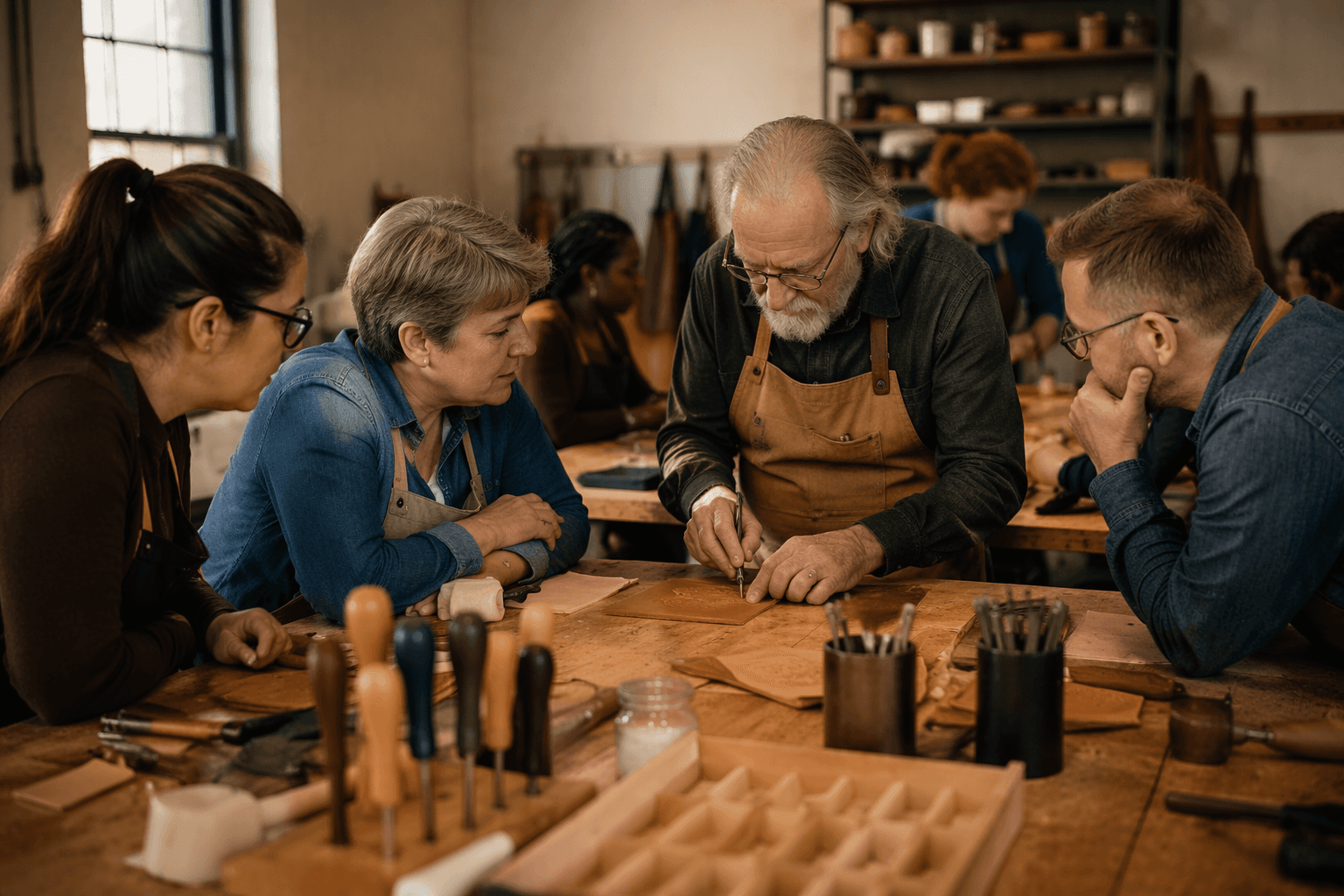
Ancient tanning methods still shape modern leathercraft workshops
Ancient tanning choices still decide how leather cuts, molds, tools, and wears. Know the hide’s history first, and the bench starts making more sense.
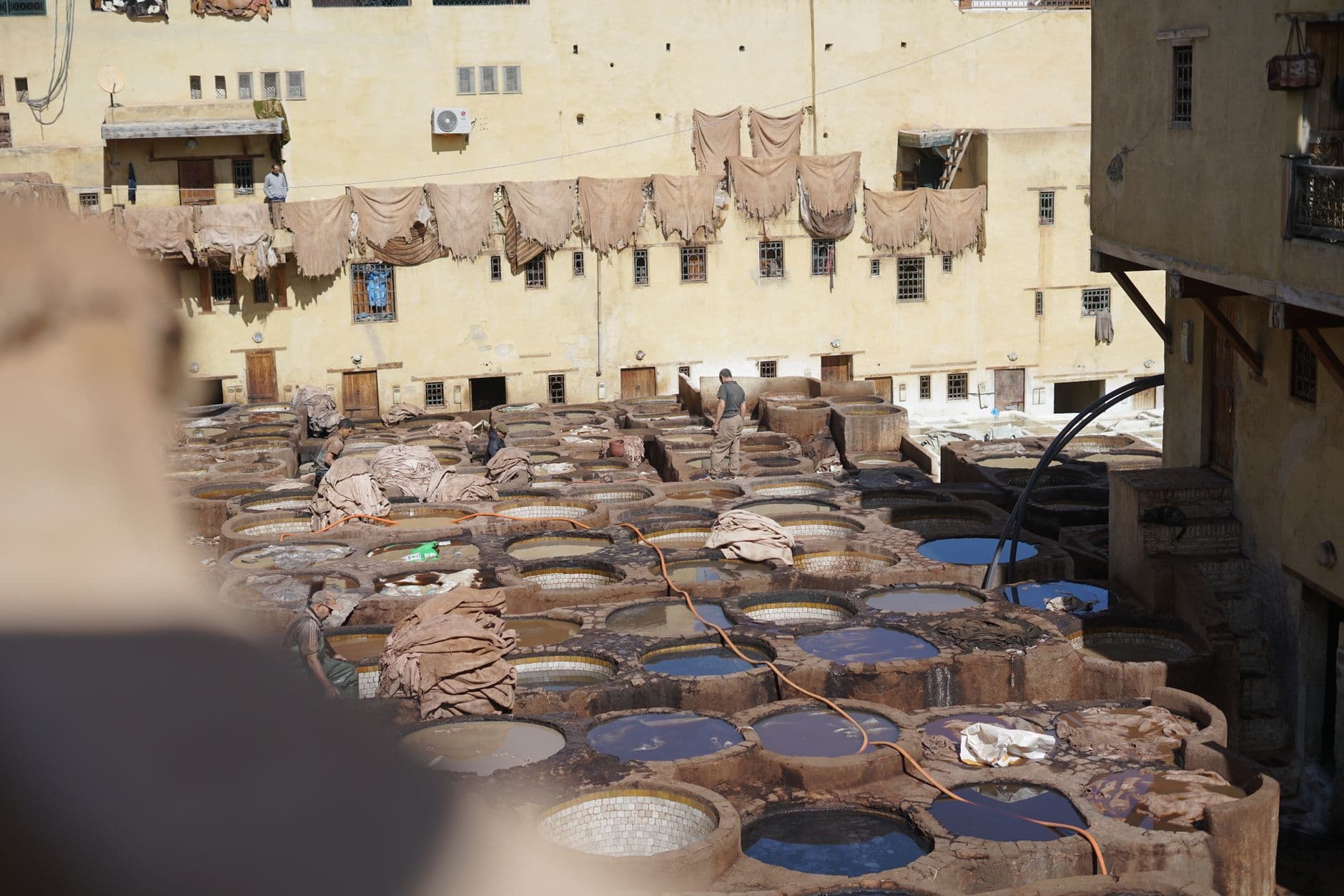
The hides that became sandals, containers, and clothing in Mehrgarh, Sumer, Egypt, and Hebrew regions carry a 7,000-year material history. That same logic still shapes what a modern leatherworker expects from veg-tan, chrome-tan, and fat-tan stock.
What tanning first had to solve
The earliest leather was not about aesthetics. It made skin survive stone, weather, and rot, turning raw hide into something that could protect feet, hold food, and stretch into clothing. Maharam places the search for hide preservation in the early Stone Age, around 8,000 BCE, when people first used fats and oils to make rawhide more flexible before plant-based and mineral-based tanning methods appeared.
Some leathers still behave like a board and others like cloth because hides preserved with fat, smoke, salt, or pounding retained different fiber movement than hides stabilized with plant tannins or chromium salts. The material did not start equal, and modern tooling, molding, and edge finishing still expose those old differences.
Britannica describes fresh skins dried in the sun, softened with animal fats and brains, and preserved by salting and smoking. Those methods left a legacy that leathercrafters still read in firmness, density, and response to moisture. When a piece takes a crisp stamp, a deep casing, or a clean skive, those first preservation choices are still visible.
The three tanning families still on your bench
Maharam identifies three primary tanning methods still in use: fat tanning, plant-based tanning, and mineral-based tanning. In the modern shop, the leather you buy is usually expected to behave in one of those three families, even if the tannery has added retanning, finishing, or dye work on top.
Vegetable tanning is the family most leatherworkers connect with tooling leather. Britannica dates its development by the Egyptians and Hebrews to about 400 BCE, and SATRA identifies plant tanning with bark from Acacia nilotica, with other common tannins coming from mimosa and chestnut. That plant chemistry gives leather the firm hand, slow water response, and carving-friendly structure that make it the default choice for belts, saddlery parts, sheaths, and any project where you want the grain to hold a cut line.
Chrome tanning, by contrast, shifted the whole pace of leather production. Britannica dates the introduction of chromium salts to the end of the 19th century and describes it as the first major change in leather chemistry in at least 2,000 years. Mineral tanning can shorten tanning from months to days or even hours, which helps explain why chrome-tan leathers are so often softer, more pliable, and easier to use for garments, bags, upholstery, and projects that need drape rather than crisp tooling.
Fat tanning sits in a different part of the craft map, but it remains a reminder that leather was made flexible before plant-based and mineral-based tanning dominated. It helps explain why some historic and specialty leathers feel supple without the springy body of veg-tan. A vegetable-tanned hide fights a garment pattern in ways a chrome-tan panel usually does not.
Why liming, bark, and hide prep still matter
SATRA describes liming as a solution of water and ash that made hair removal easier. Along with tanning, liming affects fiber opening, grain behavior, and how evenly a hide will accept later work. When a leather feels inconsistent in stretch or takes casing unevenly, the roots of that behavior often go back to earlier beamhouse steps, not anything you did at the bench.
SATRA traces the English word for tanning to medieval Latin tannare, from tannum, meaning oak bark. Tannin-rich plant matter was part of the technology, which is why modern veg-tan still feels like a direct descendant of the woods, vats, and pits that made controlled, durable leather possible.
If you want deep tooling, sharp carving, and molded structure, you reach for a leather that still behaves like its plant-tanned ancestors. If you want a bag panel that falls cleanly, a jacket that moves with the body, or a lining that does not fight every fold, you are looking for the mineral-tanned side of the family tree. Those old tanning traditions are still embedded in the purchase decision before the first pattern piece is traced.
The modern workshop is built on chemistry, not guesswork
The U.S. Environmental Protection Agency’s leather tanning and finishing effluent guidelines were first promulgated in 1974 and amended in 1977, 1982, 1988, and 1996, treating tanning as a regulated industrial process with water and waste consequences.
The EPA breaks the process into distinct stages, including liming, bating, pickling, tanning, and finishing. The final feel of a hide reflects an accumulation of chemical choices, each one shaping how the leather will cut, edge, burnish, wet-form, or hold a finish once it reaches your table.
The International Labour Organization calls leather one of the most widely traded commodities in the world and estimates export values of raw hides, skins, and leather at around US$16.2 billion in 2023. A maker in a small workshop is still dealing with the downstream results of huge supply chains, from tanning chemistry to labor conditions to water treatment.
Safety, sustainability, and material literacy
The International Labour Organization highlights biological, chemical, physical, and ergonomic hazards in tanning, framing it as an occupational safety issue as well as a trade issue. Leather arrives from a system where workers handle chemicals, wet hides, heavy loads, and repetitive tasks, and where governments, employers, and workers all have a stake in safer production.
For leathercrafters, material literacy means reading a hide the way a tannery once made it. A veg-tan side invites tooling because its chemistry was built around structure. A chrome-tan panel rewards flexibility because mineral tanning was designed for speed and softness. A hide’s origin is not abstract history, it is the reason one project holds a bevel and another needs to drape.
This article was produced by Prism’s automated news system from verified source data, official records, and press releases, then run through automated quality and moderation checks before publishing. The system is built and supervised by the people who set the standards it runs under. Read our full AI policy.
Did this article answer your question?