Buckleguy broadens leather supply for makers, from hides to hardware
Buckleguy looks less like a storefront and more like a parts counter for small leather shops, with no leather minimums and enough hardware to keep a bench moving.
A bag run or one-off prototype can mean matching hides, brass hardware, zippers, thread, and finishing parts. Buckleguy is built for that workflow. You can source the hide, the closure, and the small parts in one place without committing to shop-scale inventory.
What Buckleguy is really selling
Buckleguy is more than a retail stop for casual makers. It has been involved in leather goods, accessories, and manufacturing for 80 years across four generations, with roots dating back to 1945, and it launched its online wholesale supply store in 2010 for manufacturers, leather crafters, and hobbyists looking for better-quality leatherworking products in small quantities. It built its factory in 2000 and has spent the last 40 years manufacturing hardware for the high-end accessory and leather-goods markets.
A supplier that has lived inside the manufacturing side of the trade tends to think in systems, not just SKUs. For a solo maker, that usually means fewer dead-end purchases, better odds of finish matching, and a less chaotic parts drawer when you are building belts, wallets, dog leashes, pet collars, handbags, or leather garments.
Where the breadth pays off
Buckleguy stocks solid-brass hardware, full-grain leather, leather-working tools, Riri zippers, craft supplies, threads, patterns, and project kits. The lineup reaches into canvas accessories, which is a useful clue that it is not trying to live in the narrowest possible definition of leathercraft.
Most real projects are assemblies, not raw material exercises. A wallet needs leather, thread, hardware if you are adding a closure, and sometimes a zipper. A bag may need straps, rivets, snaps, zipper tape, and a lining decision that affects the whole build. When you can order those pieces from one place, you save time, and you reduce the chance that your project stalls because one tiny part does not match the finish or size you already committed to.
The leather assortment is built for actual build decisions
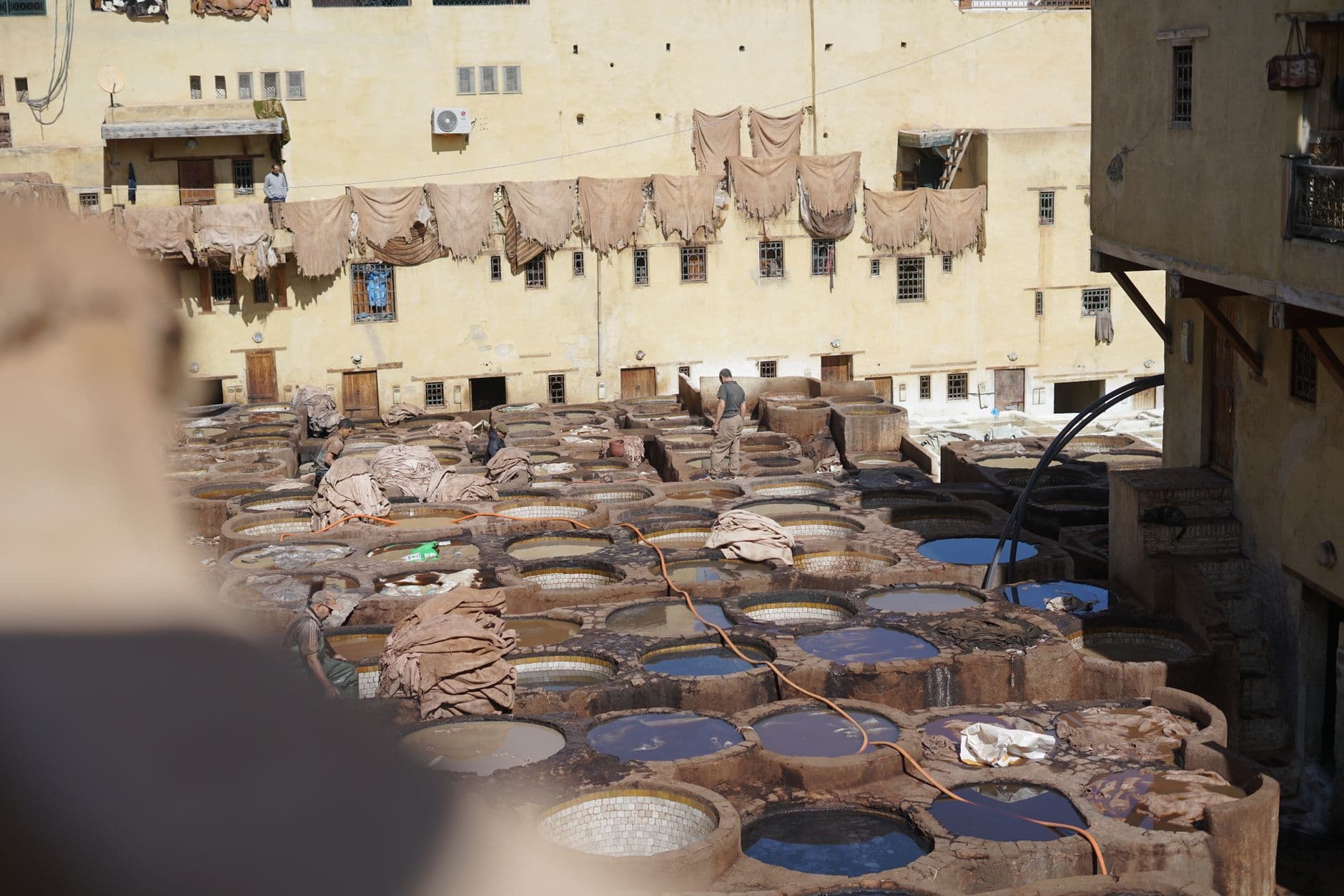
Buckleguy’s leather assortment includes vegetable-tanned, chrome-tanned, exotic, and hair-on hides, and you can shop by tannery, cut, type, and firmness.
It carries vegetable-tanned leathers from Wickett & Craig, Hermann Oak, Horween, Sedgwick English Bridle, and Valdibrana Italian Vachetta, among others. It also stocks chrome-tanned leather from tanneries such as Horween and Hoffman of Germany. On top of that, Buckleguy carries hides, sides, straps, panels, shoulders, bellies, scrap, and kits.
If you are testing a pattern, scrap and smaller cuts can be the smartest move. If you are dialing in a production run, sides, panels, and straps make more sense. If you already know how a tannage behaves, shopping by tannery and firmness is a lot more useful than browsing generic “brown leather” buckets and guessing your way through a build.
Why the no-minimum leather policy is a big deal
Buckleguy sells leather without an order minimum. No minimum means you are not forced into overbuying just to get access to better material. That is especially useful when you are prototyping, trying a new design, or making a few pieces at a time and do not want dead stock sitting on a shelf.
A one-person workshop can buy more like a small shop without taking on the burden of a small warehouse. You can test a design in a few hides, learn where the grain behaves, see how your edge finish reads, and then come back for more if the pattern earns it.
Hardware is the other half of the story
Buckleguy manufactures its own solid brass hardware in its own factory, and the hardware is made for the leather craft and accessory markets. Its brass hardware meets or exceeds quality expectations for discerning makers and manufacturers, and it works weekly in R&D to develop new hardware items, finishes, and styles.
Hardware is where a project can go sideways fast: a snap that does not seat cleanly, a buckle finish that clashes with your zipper, or a rivet that looks right in the photo but feels flimsy on the bench. If a supplier controls its own brass hardware production, it has more leverage over finish matching and supply continuity than a reseller stitching together parts from different sources.
Riri zippers and the details that keep builds moving
Buckleguy is the USA distributor of Riri zippers by the yard and stocks metal sizes 4, 6, 8, and 10 in multiple tape and teeth colors.
By-the-yard zipper supply is useful because it gives you control over length, pull placement, and waste. If you are building multiple bags or trying to standardize a pattern, that makes the zipper system part of your workflow instead of a last-minute hunt through random trim suppliers.
When the pro-grade supplier is worth it
Buckleguy makes sense when your next problem is not “Can I buy leather?” but “Can I buy matched components I trust?” If you are making a belt with consistent brass findings, a bag with the right zipper size, or a batch of small goods that need the same finish across every part, its mix of hides, hardware, and accessories is built for that kind of work.
This article was produced by Prism’s automated news system from verified source data, official records, and press releases, then run through automated quality and moderation checks before publishing. The system is built and supervised by the people who set the standards it runs under. Read our full AI policy.
Did this article answer your question?