Cary workshop teaches beginners to hand-stitch a leather wallet
Beginners at DCP Academy Pavilion left with a wallet, two style choices and a first saddle stitch lesson. The two-hour class kept leathercraft within reach.
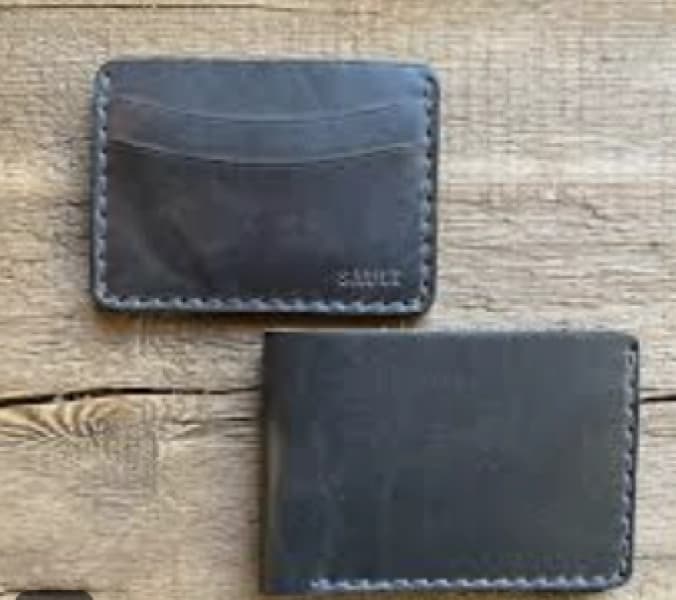
Downtown Cary Park held its Make Your Own Hand-Stitched Leather Wallet workshop at DCP Academy Pavilion in Cary, North Carolina, where Lainey Wright led beginners through a two-hour first project built around the saddle stitch. The June 24 class ran from 6:30 p.m. to 8:30 p.m. and cost $15 for Cary residents and $20 for non-residents, making it an easy first step into leathercraft.
The park’s indoor Academy Pavilion space, north of Frantz Square at 327 S. Academy St., gave the class a controlled setting for a beginner build. Downtown Cary Park limited attendance to registered participants, and the workshop said no prior experience was required. That is exactly why a hand-stitched wallet works so well as a first finished project: the build is compact enough to finish in one session, but it still introduces the habits that matter in leatherwork, from tool use to clean finishing.

Students chose from two wallet styles, then followed Wright through the basics of building a custom piece from scratch. If time allowed, they could add hand-stamped monograms or floral motifs, giving the project a small dose of personal finish after the structural work was done. The class description put the emphasis on hand stitching and finishing details, not advanced tooling, which kept the focus on the core mechanics a newcomer needs before moving on to more ambitious work.
That core mechanic was the saddle stitch, the hand-sewing method leatherworkers rely on for durable seams in wallets, bags, belts, saddles and shoes. The stitch uses two needles and a single line of holes, and it teaches thread control, hole spacing and consistent tension as much as it teaches sewing. Those are the same fundamentals that later show up in a belt blank, a bag panel or any project where a seam has to hold under real use.

The wallet class offered a clean, low-risk way to practice those basics and leave with something usable at the end of the night. For beginners, that first completed wallet is more than a souvenir from a workshop in Cary. It is the moment the stitch, the tools and the finishing finally start to look like leathercraft.
This article was produced by Prism’s automated news system from verified source data, official records, and press releases, then run through automated quality and moderation checks before publishing. The system is built and supervised by the people who set the standards it runs under. Read our full AI policy.
Did this article answer your question?