India boosts leather sector quality, testing, and skills with new pact
India’s new leather and footwear pact puts labs, certification, and cluster training at the center, from Agra to Kanpur, to lift quality for makers and exporters.
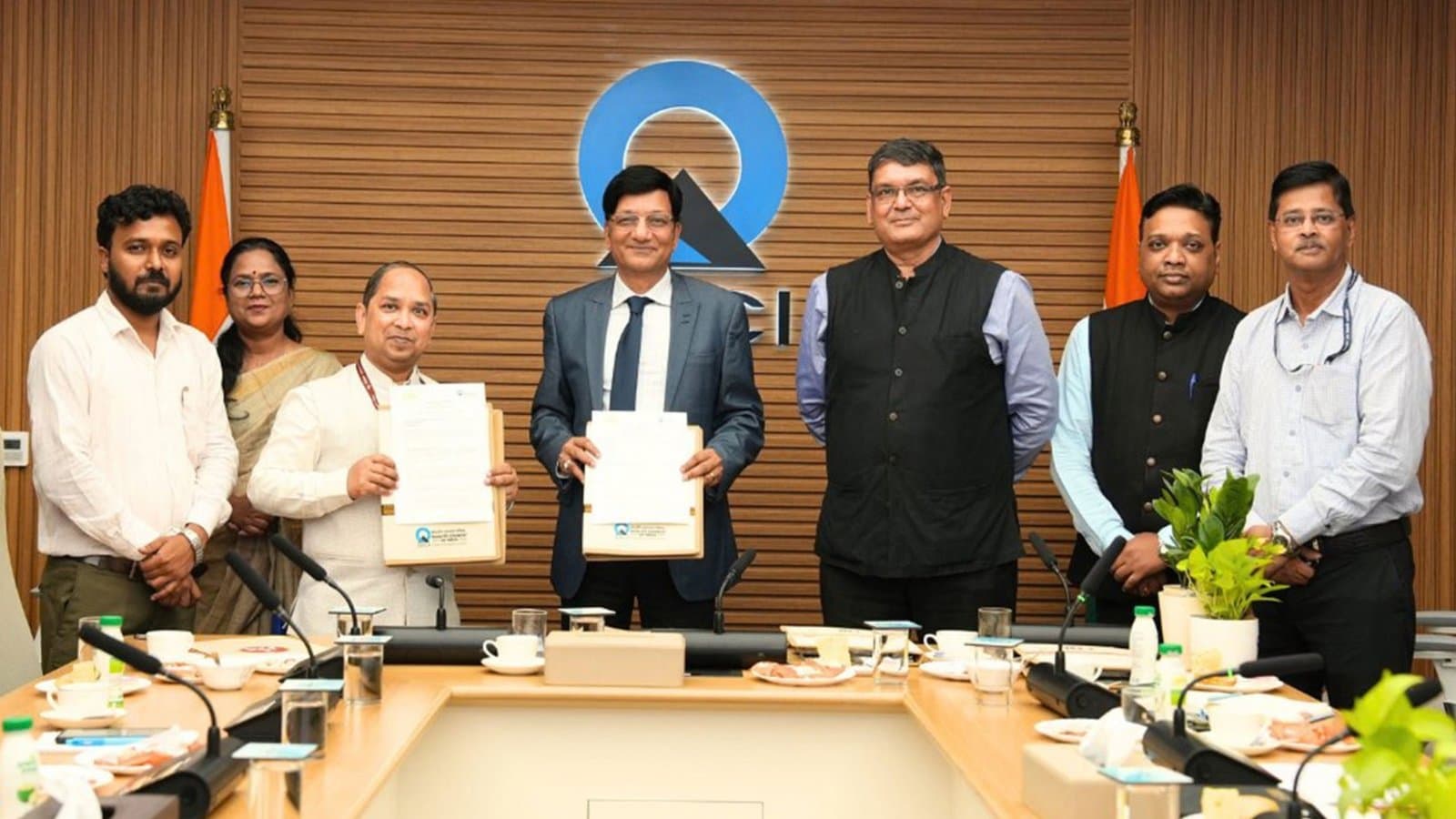
A new pact between the Quality Council of India and the Footwear Design and Development Institute put lab access, worker certification, and cluster training at the center of India’s leather and footwear push. Signed in New Delhi on June 15, 2026, the agreement was aimed at the full value chain, from semi-skilled workers to micro and small manufacturers, not just finished pairs rolling off a factory line.
The move was framed around the places where leatherwork and shoemaking are most concentrated, with a focus on Agra, Bahadurgarh, Ranipet, Chennai, Calicut, and Kanpur. Those clusters are where uneven testing capacity and uneven training can quickly show up as inconsistent uppers, weaker components, or shipments that struggle to meet domestic and export requirements. Under the pact, QCI will provide technical guidance on accreditation principles, quality management systems, standards, monitoring, research, white papers, and awareness programs for MSMEs.
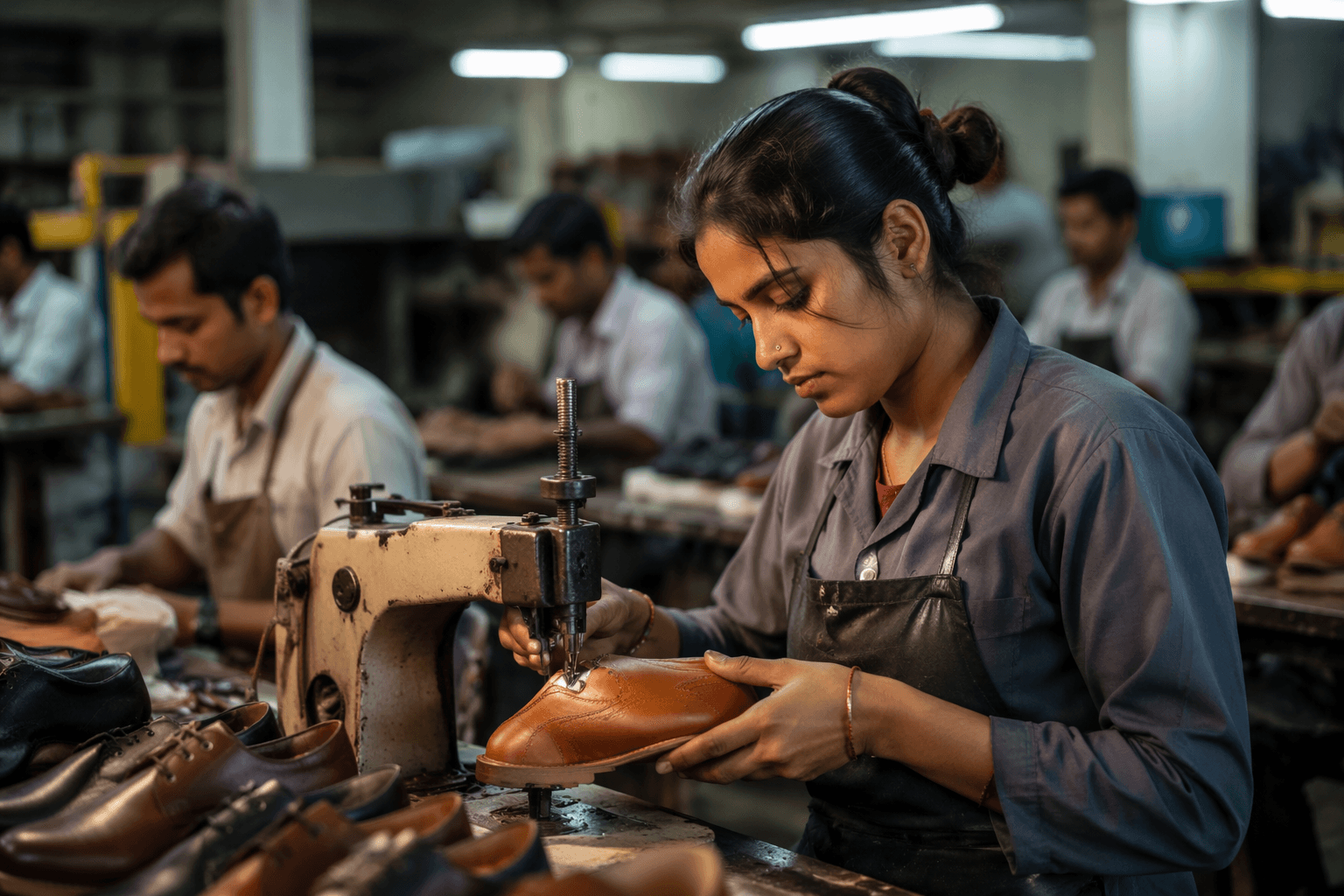
FDDI will take the lead on cluster-specific training and skilling programs. It will also map laboratories, identify gaps in access to testing and calibration, and support sample collection centers in underserved areas. One of the most practical pieces is a multi-level worker assessment and personal certification framework, including Recognition of Prior Learning pathways for semi-skilled and experienced workers who already know the trade but lack formal qualifications. In a sector where hands-on craft knowledge often travels from workshop to workshop rather than through formal schooling, that could raise the floor for workmanship without flattening the craft itself.
The agreement also fits into a broader institutional push from FDDI, which was established in 1986 and operates 12 campuses across India as an Institution of National Importance under the Ministry of Commerce and Industry. FDDI’s Vision 2030 centers on innovation-led education, sustainability, entrepreneurship, industry integration, and global competitiveness. The institute had already used its National Quality Conclave 2026 appearance in February to underline the link between quality and export strength, after Piyush Goyal said quality must become the defining mantra of India’s manufacturing and export ecosystem.
That larger backdrop matters because the sector still has room to grow. NITI Aayog’s Trade Watch report says India’s share of global leather and footwear exports has stayed around 1.8% from 2004 to 2024, even as the industry employs about 4.4 million people, nearly half of them women. With exports rising to about $5.7 billion in 2024-25 and expected to cross $6.5 billion in FY26, the New Delhi pact was less about paperwork than about building the testing benches, training pathways, and certified skills that let good leather show up as good finished goods.
This article was produced by Prism’s automated news system from verified source data, official records, and press releases, then run through automated quality and moderation checks before publishing. The system is built and supervised by the people who set the standards it runs under. Read our full AI policy.
Did this article answer your question?