India expands leather clusters across four states with 898 crore investment
Four new leather clusters across Tamil Nadu, Bihar, Madhya Pradesh and Maharashtra could reshape the supply chain from Ranipet to small workshops worldwide.
India is spreading leather, footwear and accessories manufacturing across four states with a combined 898 crore investment, a move that could reach far beyond factory walls and into the supply of materials, fittings and semi-finished goods that smaller makers depend on. The new Mega Leather, Footwear and Accessories Clusters will come up in Muzaffarpur, Sitapur, Raigad district and Ranipet, signaling a wider industrial push instead of another round of investment concentrated in one familiar hub.
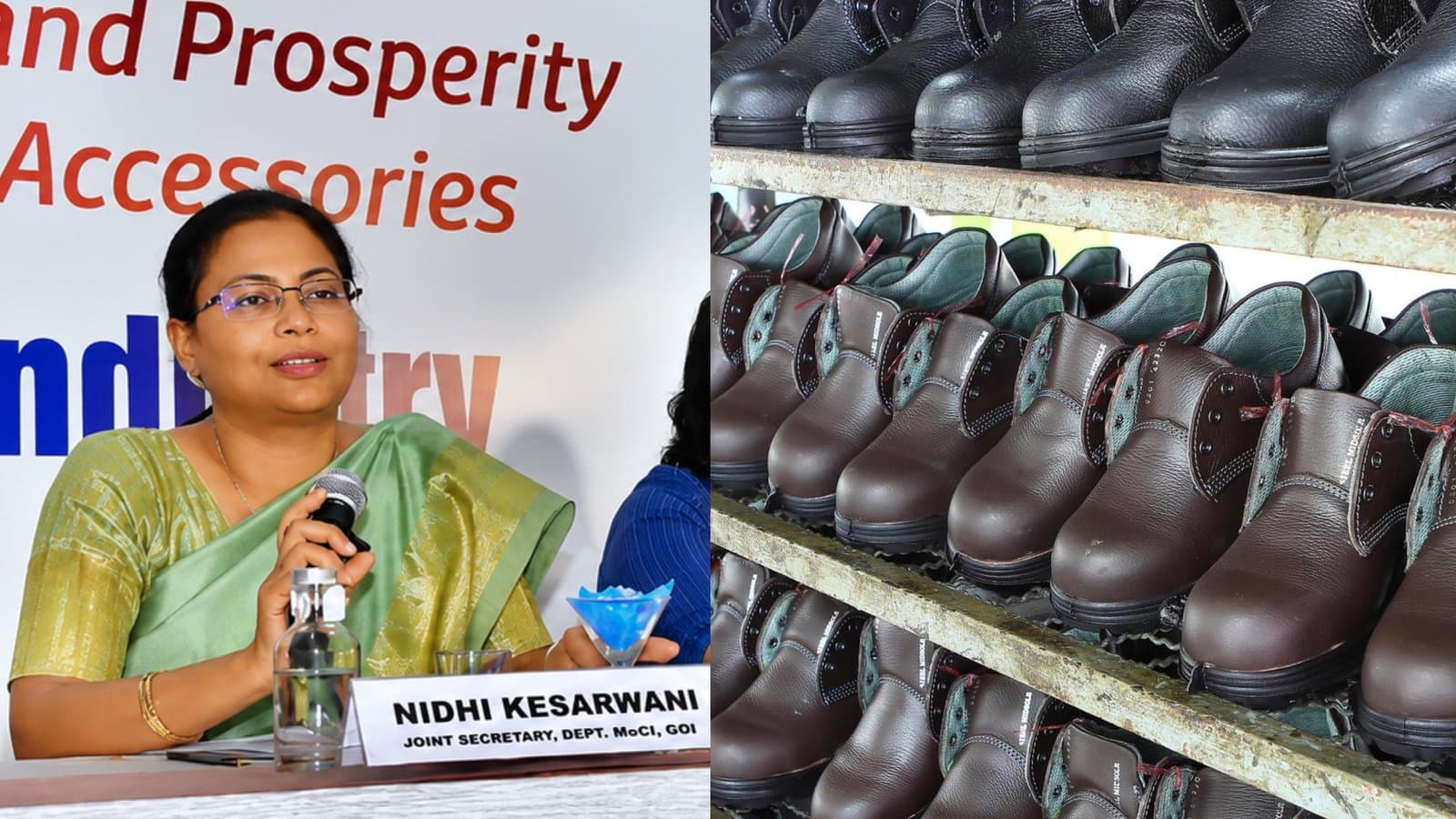
The announcement was tied to an interactive meeting in Chennai on June 8 organized by the Council for Leather Exports. Nidhi Kesarwani, Joint Secretary at the Department for Promotion of Industry and Internal Trade, said the clusters are meant to attract fresh investment and lift exports from the leather and footwear sector. That export focus matters for the trade floor as much as it does for policy, because larger clusters tend to shape what gets standardized, how quickly components move, and how consistently small manufacturers can source usable leather, trims and ancillary parts.

Ranipet is the clearest sign of how large this buildout is becoming. The cluster there is being developed across 290 acres at a total cost of 271 crore, with 125 crore coming from the Union government. The same area is also seeing a 50 crore zero solid waste discharge facility designed to convert leather-industry solid waste into industrial-use salt, along with a plug-and-play facility at Panapakkam for non-leather footwear manufacturing. In other words, the government is not just adding sheds and roads. It is tying production to waste handling, compliance and faster industrial setup.
The broader policy frame has been in place for years. The Indian Footwear and Leather Development Programme was continued for 2021-26 with an approved outlay of 1,700 crore, while the Mega Leather Footwear and Accessories Cluster Development sub-scheme carried a proposed outlay of 300 crore. Government assistance under that sub-scheme is capped at 125 crore and can cover up to 50% of project cost outside the Northeast, subject to guidelines. The scheme was also designed to address environmental concerns, generate jobs and increase production.
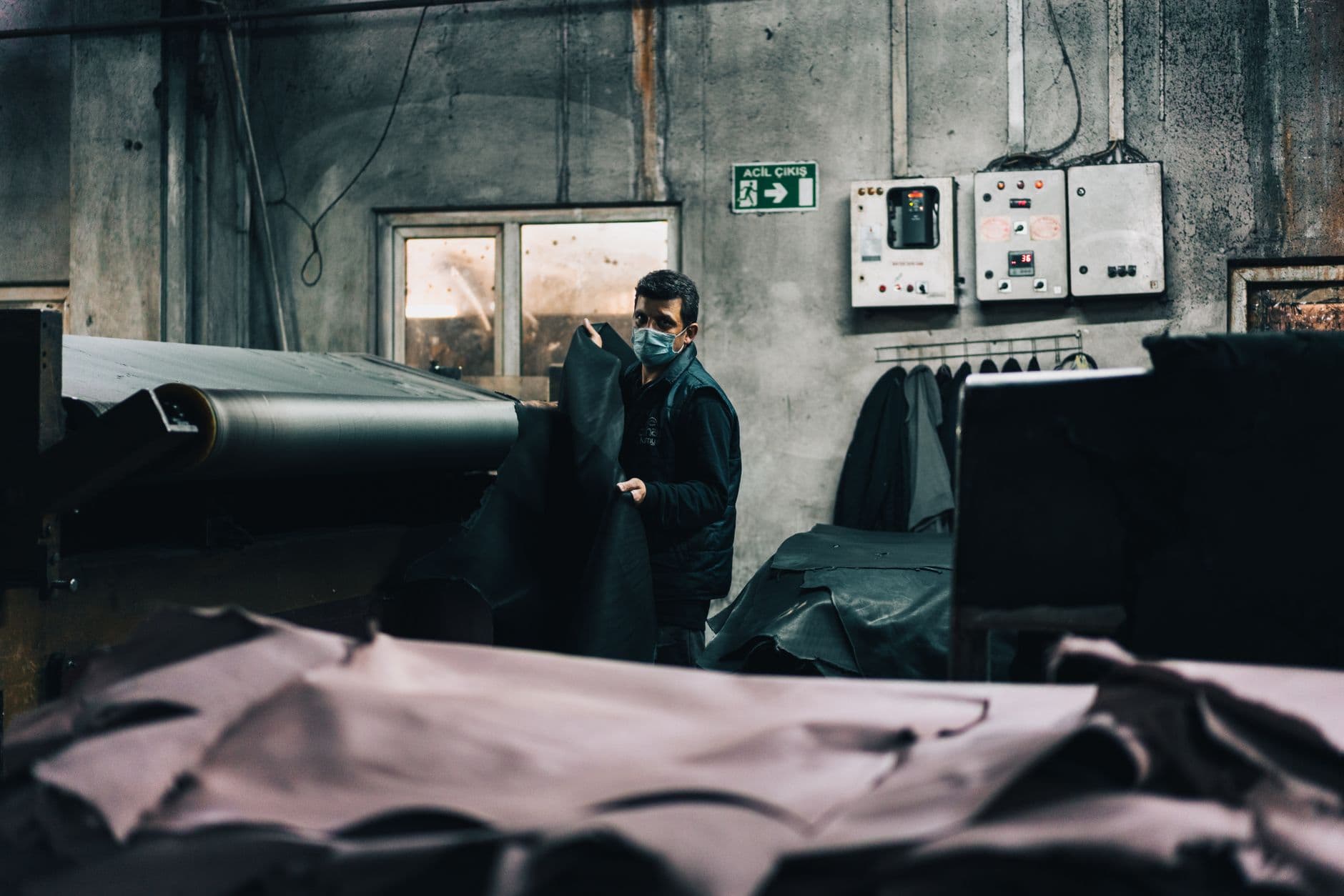
For leathercraft and small-batch makers, that matters because India’s footwear sector is already the world’s second-largest, employs more than 2 million people and generates about US$5 billion in annual exports. Agra, Kanpur, Chennai, Ranipet, Ambur and Kolkata remain major production centers, and tighter quality rules that took effect on August 1, 2024 have pushed the sector further toward standardization. The new clusters suggest that the material pipeline behind finished leather goods is becoming more organized, more compliant and, potentially, easier for smaller makers to plug into.
This article was produced by Prism’s automated news system from verified source data, official records, and press releases, then run through automated quality and moderation checks before publishing. The system is built and supervised by the people who set the standards it runs under. Read our full AI policy.
Did this article answer your question?