Kazakhstan leather sector posts 36% production growth in early 2026
Kazakhstan's leather output jumped 36% in January-May 2026, with gains spread across hides, footwear and saddlery, not just one product line.
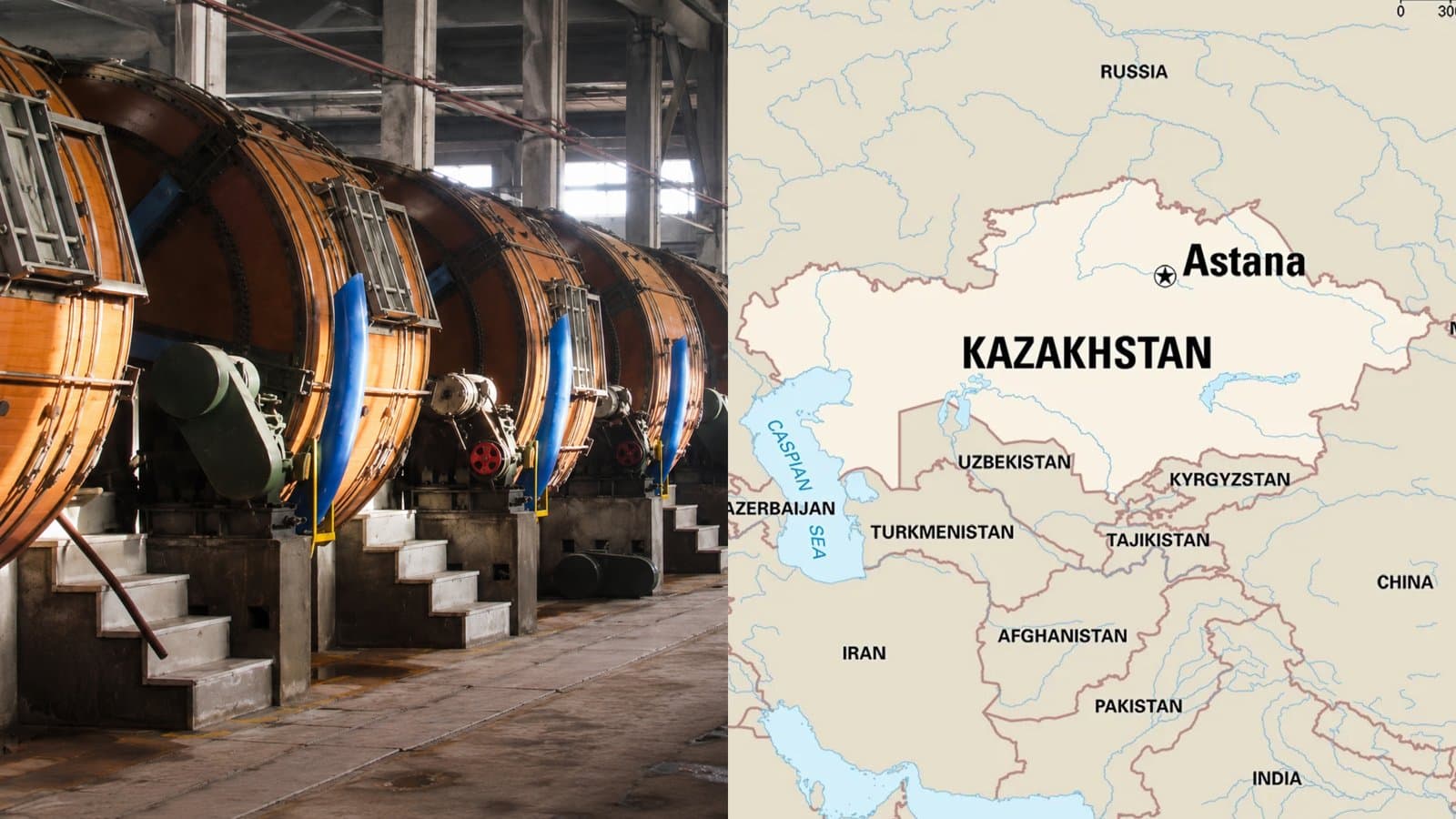
Kazakhstan's leather and related products output rose 36% in the first five months of 2026, but the more useful detail for makers is where that growth landed: leather production itself increased 27.3%, footwear output climbed 39.9%, and travel accessories and saddlery jumped 47.6%. The Ministry of Industry and Construction said the mix points to movement across the value chain, from processed hides to finished goods.
That matters because a broad lift is different from a one-off spike in a single factory line. When leather, footwear and saddlery all move at once, the signal is stronger for workshops that buy hides, components and finishing supplies, and for producers of carry goods and tack that depend on steady upstream supply. It also suggests Kazakhstan is seeing more than simple assembly work, with both raw material processing and downstream manufacturing gaining momentum together.

The growth was also concentrated in a few regions. Almaty region led the country with production worth T2.4 billion, about $5.01 million, which made up 35% of Kazakhstan's total leather-industry output value for January to May 2026. Almaty city followed at T967.6 million, about $2 million, or 13.7% of the total, while Zhambyl region ranked third at T776.8 million, about $1.62 million, equal to 11%. The Bureau of National Statistics published the main industrial performance indicators for January-May 2026 on June 17, 2026, along with regional output tables that make those comparisons possible.

The latest numbers also sit against a small and import-heavy industry structure. The Ministry of Industry and Construction has said light industry accounts for just 0.8% of Kazakhstan's manufacturing output, footwear and leather products make up 6.5% of that sector's structure, and more than 97% of enterprises are small businesses. The ministry's longer-term plan for light industry centers on deeper processing of cotton and hides and higher value-added products, which makes the 2026 leather rebound more notable than a simple production uptick.

That rebound follows a weak base. QazIndustry said leather and related products output fell 27.9% in January-April 2025, even as total light-industry production reached 72.7 billion tenge, up 4.5% year over year. For leatherworkers tracking supply, hardware and material availability, the headline growth in Kazakhstan now reads less like a headline and more like a test of whether a broader production run can hold across hides, footwear and the finished goods built from them.
This article was produced by Prism’s automated news system from verified source data, official records, and press releases, then run through automated quality and moderation checks before publishing. The system is built and supervised by the people who set the standards it runs under. Read our full AI policy.
Did this article answer your question?