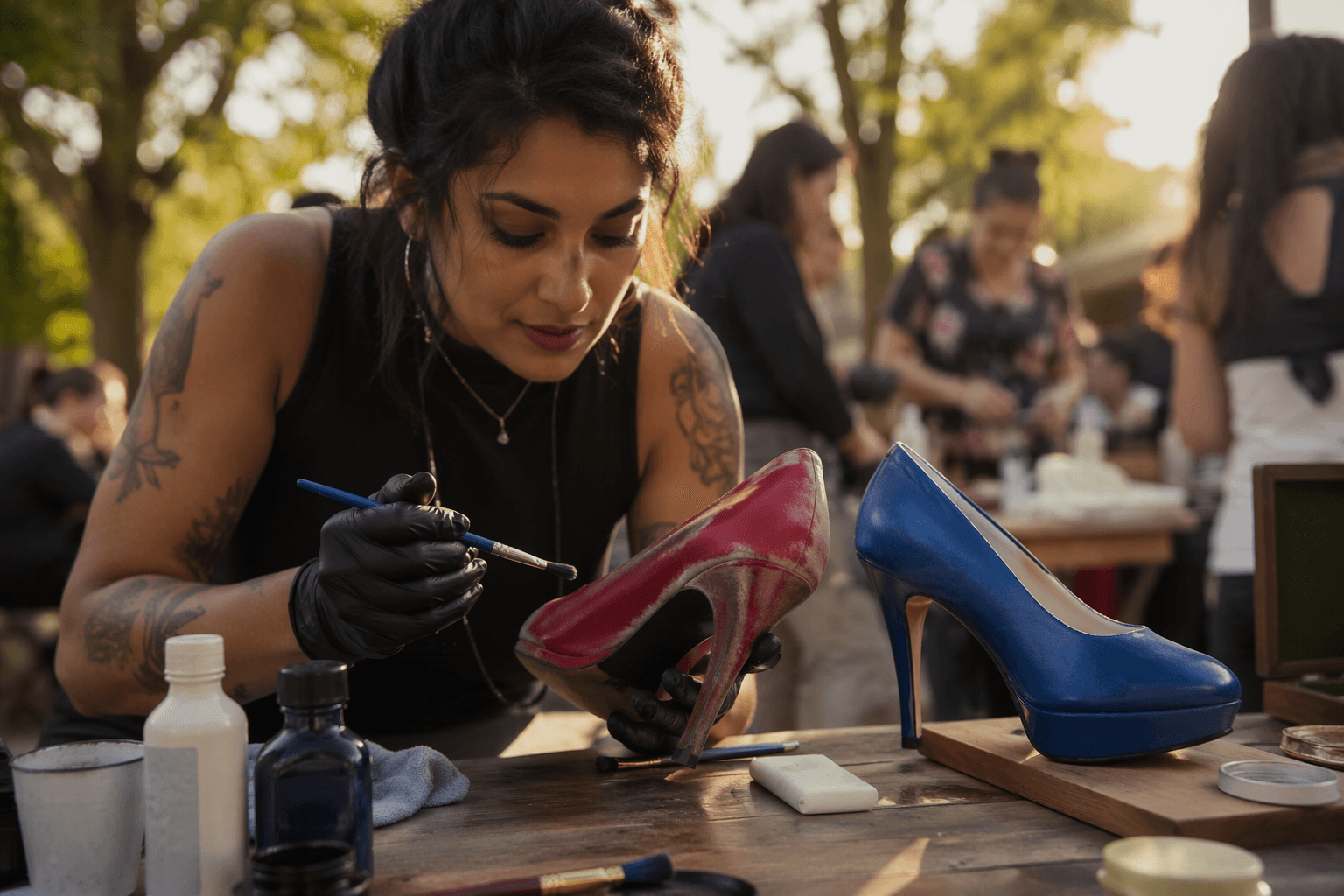
Kenya launches Craft to Market program for leather MSMEs
Kenya’s new three-month Craft to Market pilot aims to turn leather design into sales, pairing MSMEs with global designers, market access and business support.
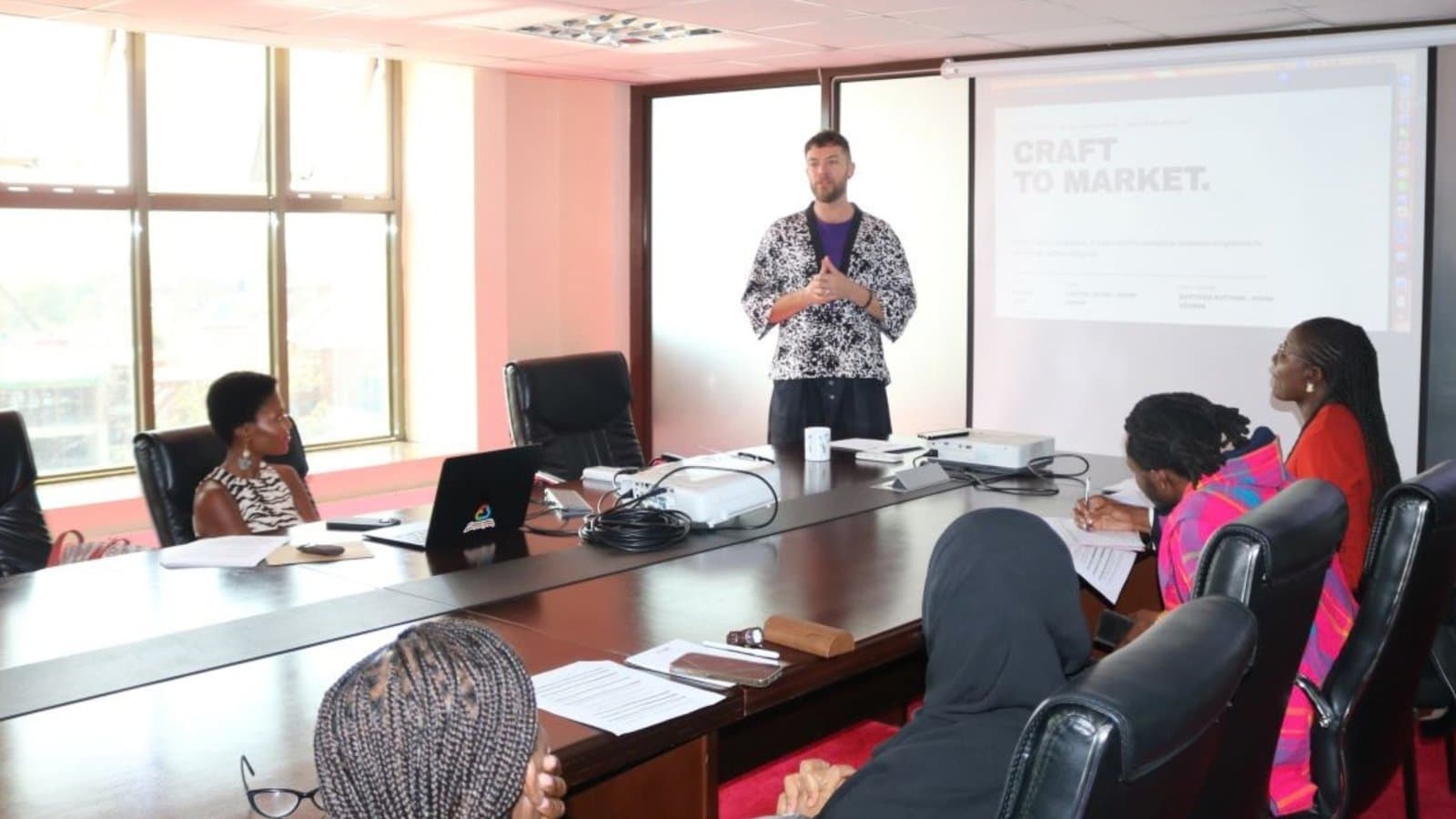
Kenya’s leather makers got a new bridge from the bench to the marketplace as the Kenya Leather Development Council and the Africa Leather and Leather Products Institute launched the Craft to Market program. The three-month pilot brought together global designers and selected leather products MSMEs, putting product development, sales readiness and business linkages at the center of the same table.
The idea is practical rather than decorative. Instead of treating design training as a separate exercise, the program is meant to help emerging leather entrepreneurs turn concepts into commercially viable enterprises, build repeatable products and learn how to position them for the wider economy. For small leather goods makers, that means more than better stitching or cleaner finishing. It means learning how to make goods that can be priced, presented and sold consistently.
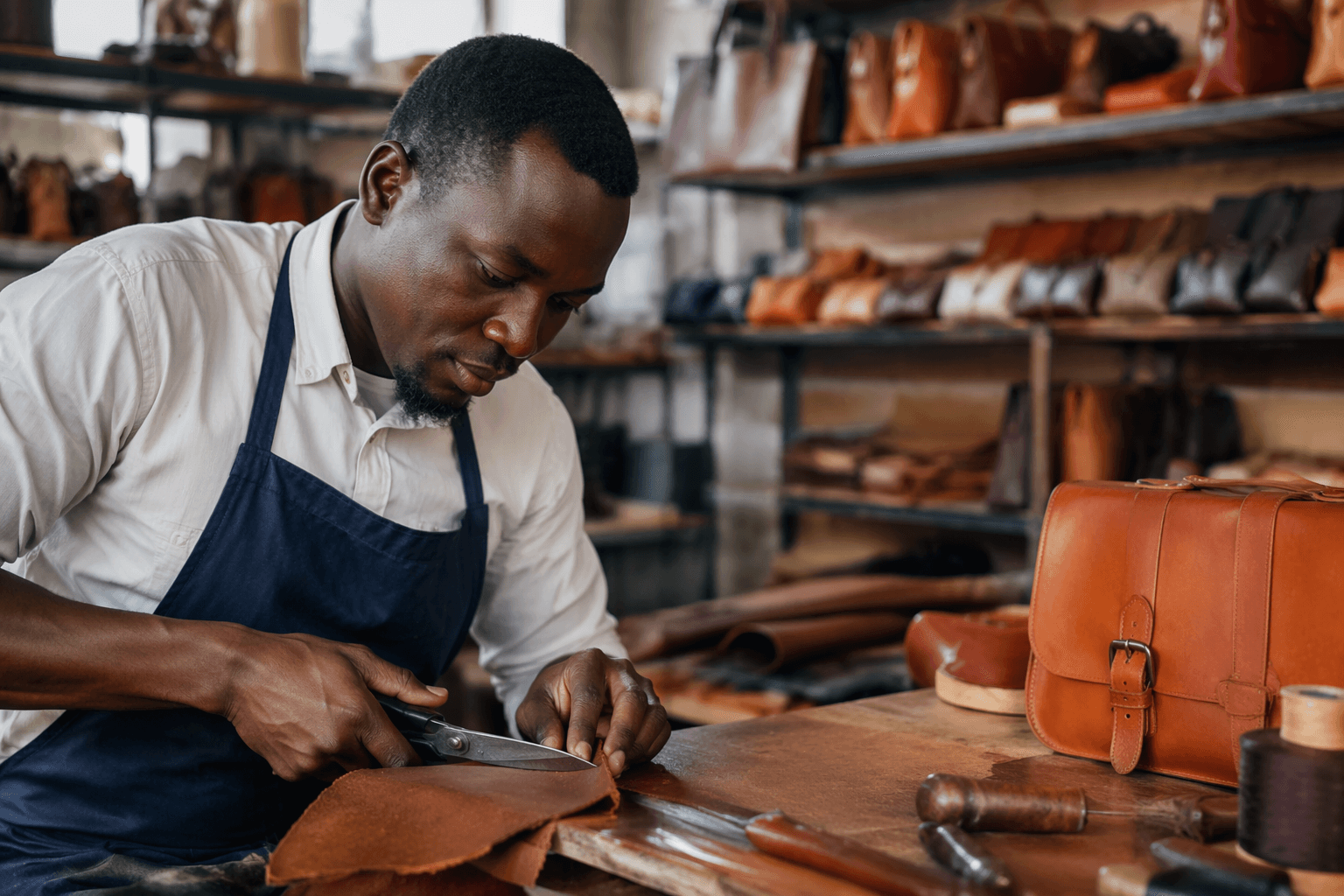
That focus fits squarely inside KLDC’s market-development mandate. The council says its work includes trade fairs, stakeholder workshops, benchmarking, study tours, market studies, technology identification, product development and support for quality assurance. Craft to Market reads like an extension of that pipeline, linking creative work at the bench with the commercial side of the leather value chain.
The stakes are large. KLDC’s strategic plan places Kenya’s leather industry among the country’s flagship manufacturing sectors under Kenya Vision 2030, MTP IV and the Kenya Kwanza BETA plan. It puts the sector’s potential value at Kshs. 120 billion, against a current estimated value of Kshs. 15 billion, and says the industry could create 100,000 jobs compared with about 17,000 today, including 7,000 formal and 10,000 informal positions.
That gap is not new. KLDC’s plan notes that in the 1970s and early 1980s, footwear production covered more than 80 percent of national demand, while leather exports ranked among Kenya’s top five foreign exchange earners. A 2024 leather policy later acknowledged that Kenya had never had a leather-industry-specific policy before the current framework was developed with KLDC and KIPPRA, with a structure meant to serve all actors, including MSMEs and marginalized clusters.
The institutional pieces behind Craft to Market also have history. The Training and Production Centre for Shoe Industry was established in 1993 by UNIDO with KAM, KTA and KFMA to train skilled manpower and provide machines and equipment to non-mechanized MSMEs at affordable fees, and KLDC has since moved to rehabilitate the centre. KLDC has also drawn 35 investors from Korea, India, China, Uganda, Sudan, Ethiopia and Italy to one leather investor forum, while a World Bank-supported stakeholders forum brought together 49 participants from all 47 counties.
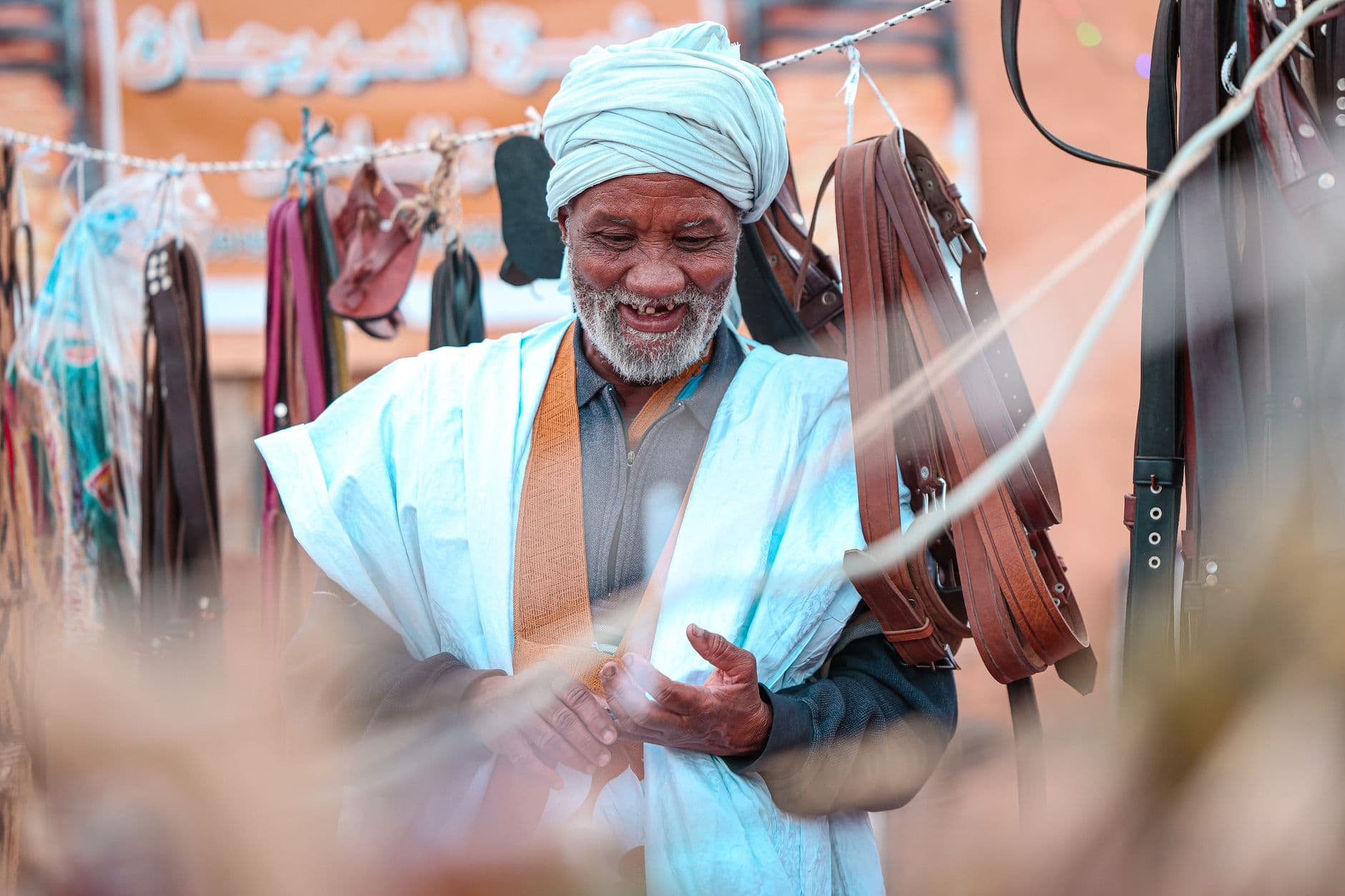
ALLPI’s own work in Kenya has already emphasized cluster development, cooperative formation, productivity and technological advancement for MSMEs and artisans. Craft to Market now adds another layer to that effort, and if it works, the lesson for guilds, cooperatives and solo makers will be clear: in leathercraft, making the product is only half the job. The rest is building a market that can keep buying it.
This article was produced by Prism’s automated news system from verified source data, official records, and press releases, then run through automated quality and moderation checks before publishing. The system is built and supervised by the people who set the standards it runs under. Read our full AI policy.
Did this article answer your question?