Lagos Leather Fair 2026 unveils theme focused on industry growth
Lagos Leather Fair 2026 is leaning into value addition, not just showcase culture. The June 27-28 event will spotlight workshops, live making, and a 1,000,000 design challenge.
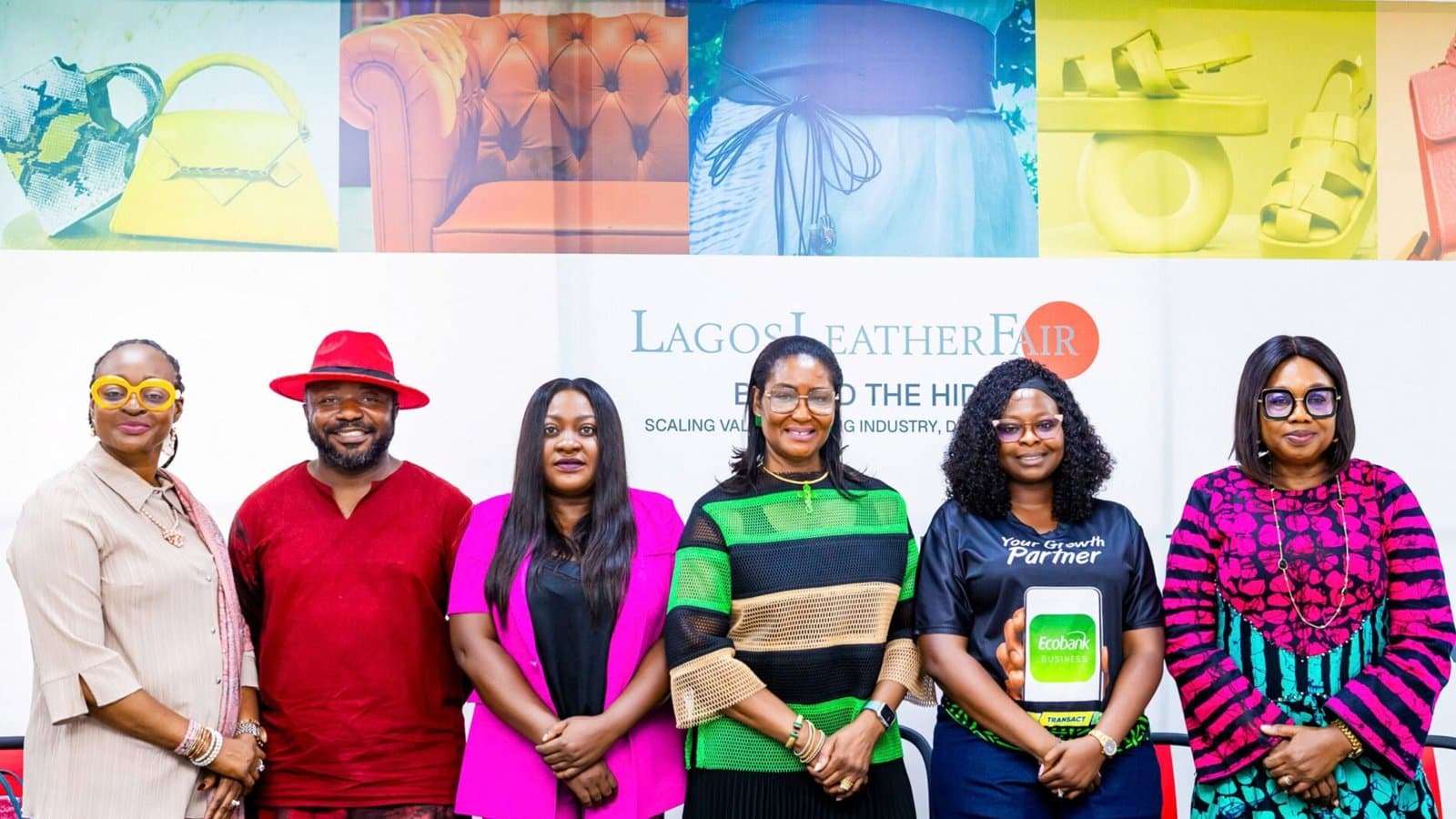
Lagos Leather Fair 2026 has put its biggest signal yet on the table: the leather business in Africa is moving beyond raw hide and into value, manufacturing, and scale. The fair’s ninth edition will run June 27 and 28 at the Ecobank Pan African Centre in Victoria Island, Lagos, with an exclusive VIP opening on June 26, and its new theme, Beyond the Hide: Scaling Value, Building Industry, Driving Growth, makes that direction explicit.
That framing carries weight because LLF is no newcomer. The fair began in 2017 and has grown into West Africa’s largest platform for advancing local manufacturing. BellaNaija said the event has drawn more than 25,000 visitors and over 300 exhibitors, while participating brands have reported revenue growth of 50 to 200 percent. Ecobank Nigeria is the official partner and host for the 2026 edition, underlining how closely the fair now sits at the intersection of craft, commerce, and industrial ambition.
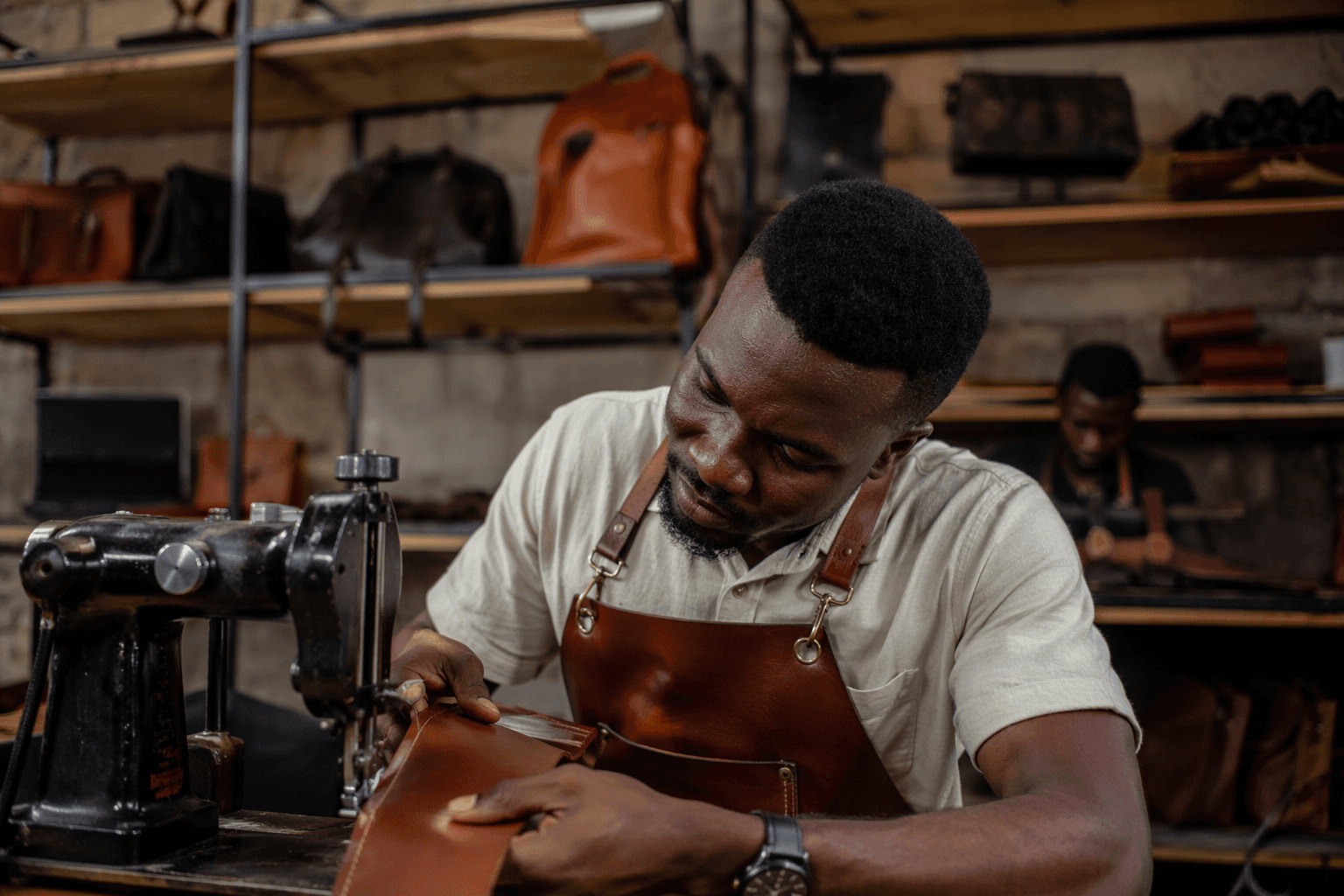
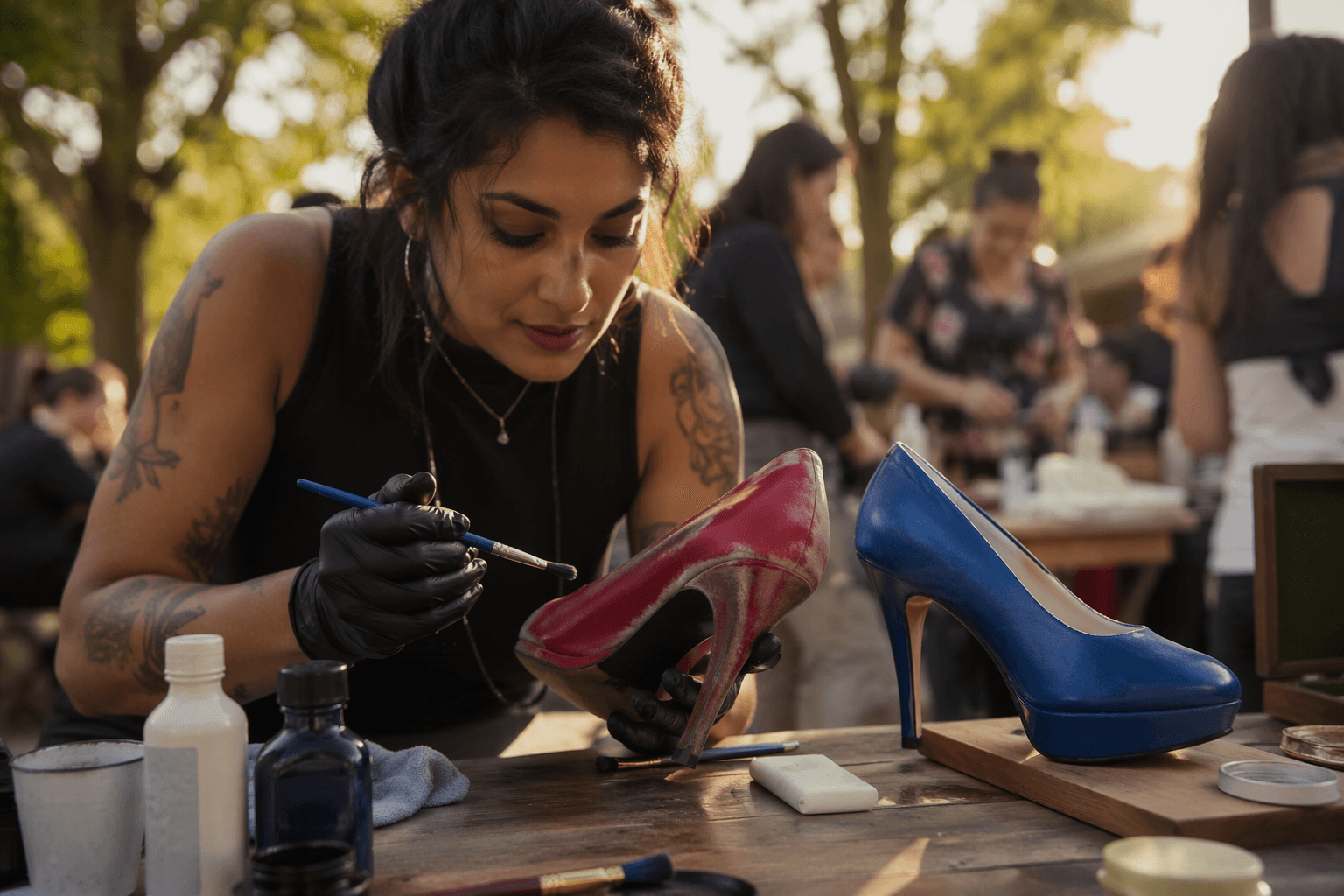
The 2026 program is built for makers as much as for buyers. The official LLF website says the fair will include exhibitions, conversations, workshops, the Signature Piece Challenge, runway shows, The Maker’s Bench, The LLF Atelier, and The LLF Awards. For leatherworkers, The Maker’s Bench and The LLF Atelier stand out most clearly: one promises hands-on production learning, and the other functions as a live mini-manufacturing hub where techniques can be demonstrated in real time. The Signature Piece Challenge will again carry a 1,000,000 prize, giving emerging designers and small studios a concrete incentive to push both craftsmanship and presentation.

Femi Olayebi, convener and creative director of Femi Handbags, has consistently cast the fair as a response to the sector’s structural weaknesses. She said LLF was born from “frustration with structural gaps in the industry” and a belief in the African leather ecosystem’s untapped potential. That language matters because it shifts the conversation from fashion showcase to supply chain problem-solving, from a one-off display to a system that needs sourcing, compliance, manufacturing, and export readiness.
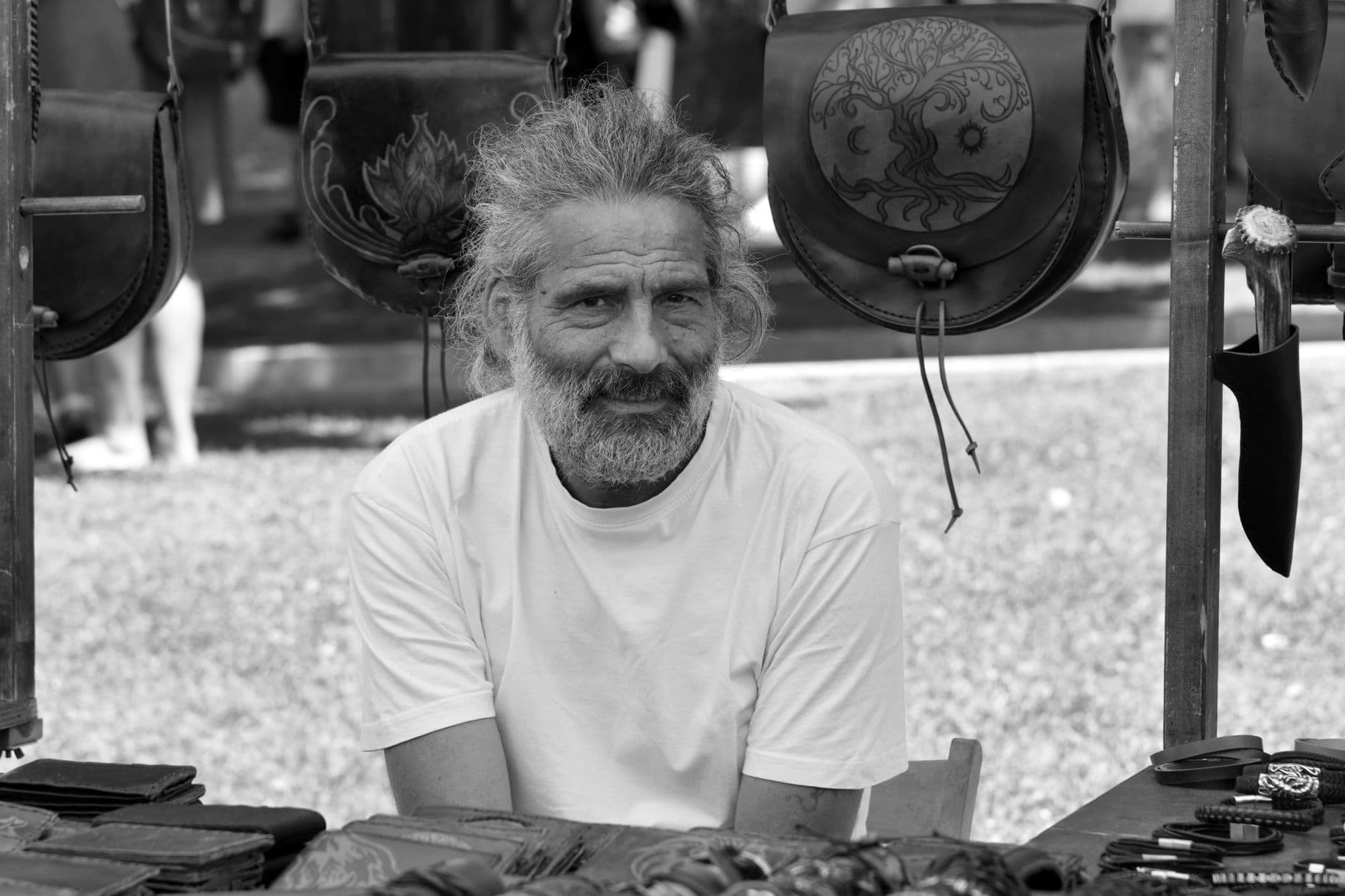
Last year’s edition set the template. LLF 2025 was held at Balmoral Convention Centre at Federal Palace Hotel, also on Victoria Island, and opened with a private preview on June 27 before the main event. Three standout leatherpreneurs each received 1,000,000 cheques, and Lagos State officials publicly linked the fair to innovation, sustainable practices, and economic diversification. Against that backdrop, this year’s theme feels less like a slogan than a roadmap for where African leather is trying to go next.
This article was produced by Prism’s automated news system from verified source data, official records, and press releases, then run through automated quality and moderation checks before publishing. The system is built and supervised by the people who set the standards it runs under. Read our full AI policy.
Did this article answer your question?