Leather machinery evolves with AI, automation and sustainability in 2026
AI and automation are reshaping tannery machinery, but makers will judge the shift by consistency, temper, finish and lower defect rates, not buzzwords.

The most important changes in tannery machinery are no longer hidden in the plant room. They are showing up in the leather itself, in how consistent a side feels, how cleanly it finishes, and how often defects get pushed out before a hide ever reaches your bench. In 2026, the machinery conversation is being driven by AI, automation, chrome-free systems, water and chemical reduction, and predictive maintenance, and that mix matters because it can change both the quality of the leather and the story told about how it was made.
What the new machinery wave is actually doing
International Leather Maker has made the point plainly: the global leather industry is evolving rapidly, and tannery machinery and equipment are the backbone of that transformation. That is a bigger claim than simply saying plants are getting faster or cheaper. It suggests the machinery layer now sits at the center of quality control, sustainability promises and process repeatability, which means it influences everything from drum work to final finish.
Karl Flowers, writing for International Leather Maker, has been part of that technical conversation around tannery machinery developments in 2026, and the publication’s tagging makes the direction clear: AI is not an add-on to old mechanical systems, it is part of the machinery debate itself. For makers, that matters because AI-driven automation is supposed to reduce the variability that shows up as uneven temper, inconsistent grain response or finish problems downstream.
The strongest machinery advances are the ones that improve the leather, not just the factory ledger. Chrome-free systems can matter if they deliver stable, workable leather with less compromise. Predictive maintenance can matter if it prevents stoppages that lead to inconsistent batches, not just if it keeps a machine online longer. Water and chemical reduction matter most when they support cleaner production without flattening the hand, body or character of the hide.
Why leathercrafters should care about the plant floor
When tannery machinery changes, the effects are felt in practical ways. Better process control can mean hides from the same run behave more alike when you cut, skive, mold or edge them. That kind of consistency saves time, reduces waste and makes it easier to trust a supplier’s specification sheet. It also affects defect rates, because better sorting, monitoring and control can pull more usable material into the finished lot.
Temper is another place where machinery changes become visible fast. If a hide comes off the line too stiff, too loose or unevenly conditioned, every later step becomes harder. The machinery market’s turn toward automation and data-driven control is meant to reduce those swings, but the real test is whether the leather feels right in the hand, not whether the control screen looks advanced.
The sustainability discussion is more complicated. Leather International has described tannery machinery as a game changer in sustainability, and that is believable when equipment genuinely cuts water, chemicals and waste. But a leather trade publication’s coverage of IILF 2026 showed something more sobering too: sustainability and AI machinery were visible, yet there was still a gap between boardroom claims and tannery-floor realities. That gap is exactly where makers need to stay alert, because a glossy sustainability message does not automatically mean better leather.
Italy’s machinery showcase is a signal, not just a trade fair
The machinery sector has enough weight in the supply chain to justify its own international showcase. Simac Tanning Tech 2026 is scheduled for September 15-17, 2026 at Fiera Milano Rho in Italy, and it describes itself as the reference event for machinery and technology for the footwear, leather goods and tanning industries. Visitors’ registration is already open, which tells you the sector expects serious attention around the equipment that shapes the next generation of leather production.
Assomac gives that industrial base another layer of context. As the Italian national association representing manufacturers of technologies for footwear, leather goods and tanning, it says Made in Italy machinery is known worldwide for high levels of automation, creativity and technology. That combination matters because leather machinery is no longer judged only on brute efficiency. It is judged on whether it can produce smarter, cleaner and more repeatable results while still leaving room for the craft standards the trade cares about.
For leather makers, the trade-fair story is useful because it shows where the industry’s priorities are landing. If the reference event is centered on AI, automation and sustainability, then those are not fringe themes. They are becoming the baseline expectations for the equipment that will shape what comes off the tannery line next.
This shift did not start yesterday
International Leather Maker’s archive points to a longer technical arc. Earlier coverage of tannery process-control software and research into hidden variables in auto-leather manufacture shows that digitalization has been building for years, not appearing overnight. The 2026 machinery cycle is the next phase of that move away from purely manual processing and toward systems that can monitor, adjust and standardize production in real time.
That longer history matters because it keeps the current wave in perspective. AI is getting the headlines now, but the underlying story is still process optimization. The industry has been moving toward better control, better repeatability and less guesswork for a long time, and today’s machinery just makes those goals more visible and more measurable.
International Leather Maker’s broader technical coverage, including work on ultrasonic-assisted embossing of leather and other science and innovation topics, fits that same pattern. The field is no longer just asking how to tan more hide. It is asking how machinery can shape texture, finish and performance more precisely, while keeping production cleaner and more reliable.
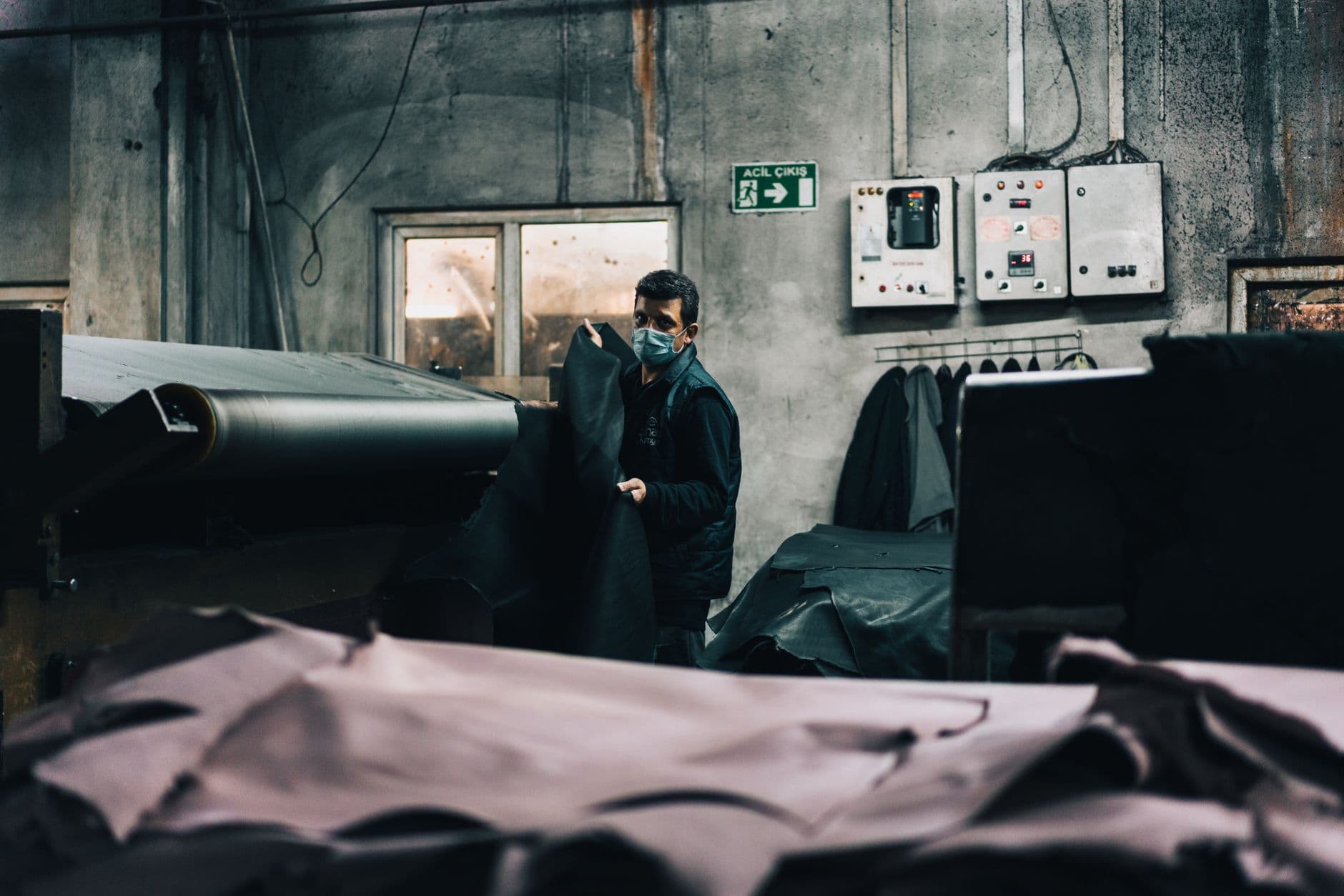
What to watch when a machinery claim sounds impressive
When you hear a new tannery system described as advanced, the useful questions are practical ones:
- Does it improve consistency across the batch, or just increase throughput?
- Does it help control temper and finish in a way you can feel and see?
- Does it reduce defects before leather is released to the next stage?
- Does the sustainability claim hold up on the tannery floor, with real water, chemical and waste reductions?
- Does the automation add intelligence to the process, or only lower labor cost?
That is the standard leathercrafters should keep in mind as the machinery market accelerates. The real breakthrough is not a smarter control panel by itself. It is a hide that behaves more predictably, finishes more cleanly and carries a sustainability story that matches what happened in the tannery.
This article was produced by Prism’s automated news system from verified source data, official records, and press releases, then run through automated quality and moderation checks before publishing. The system is built and supervised by the people who set the standards it runs under. Read our full AI policy.
Did this article answer your question?