Mongolia workshop targets cleaner leather supply chains and sustainable production
Mongolia's leather policy push put traceability, finance, and chemical controls in one room in Ulaanbaatar. Small makers may feel the shift only if the reforms reach factories and tanneries.
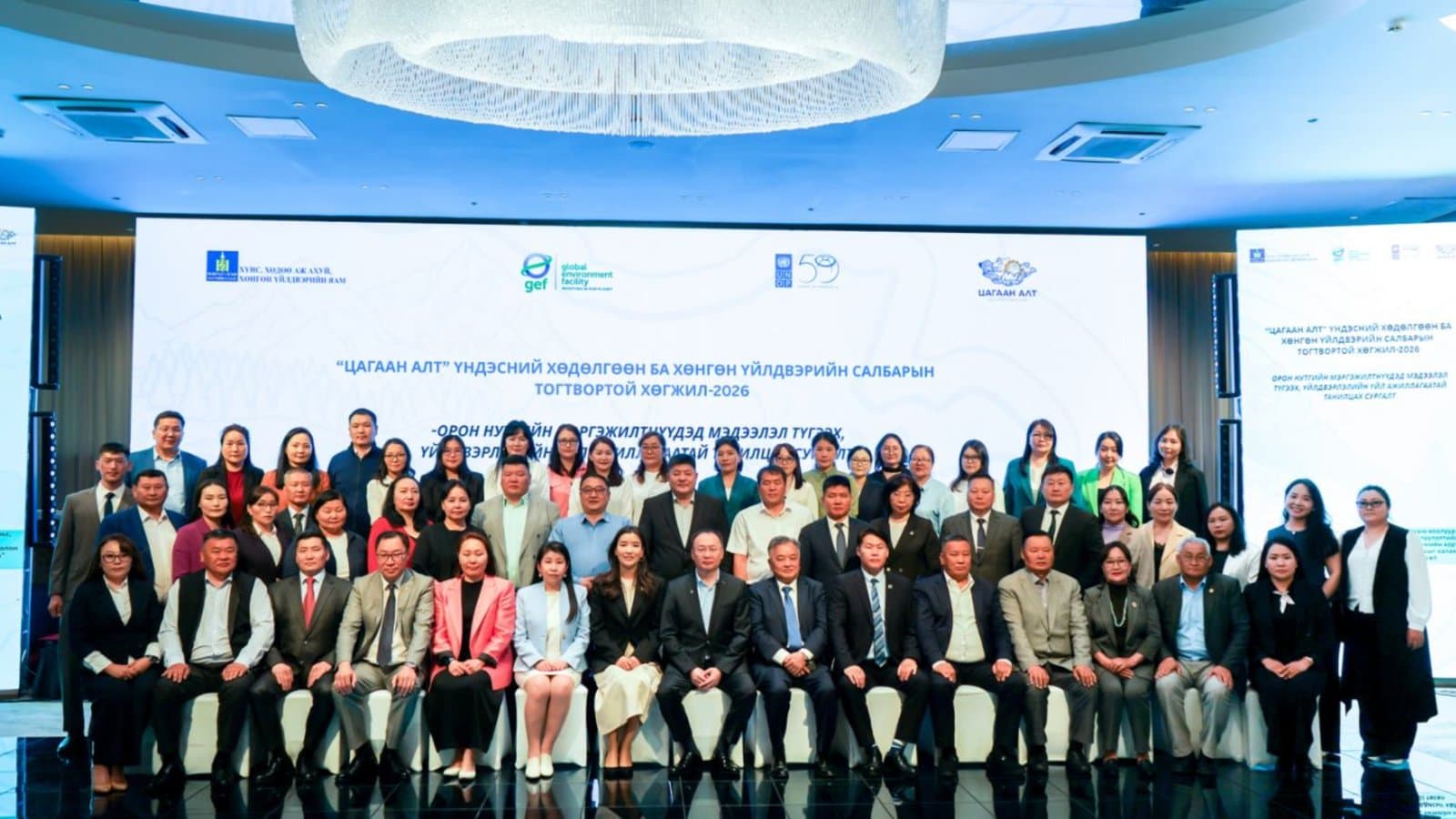
In Ulaanbaatar, Mongolia put traceability, veterinary controls, and chemical use on the same table as finance and export quality. For leatherworkers watching hide provenance, the message was plain: cleaner supply chains start far upstream, at the herder and factory level.
The Ministry of Food, Agriculture, and Light Industry and the United Nations Development Programme held the three-day hybrid workshop on June 10, 11, and 12, 2026, under the title “White Gold National Movement and Sustainable Development of the Light Industry Sector.” The meeting sat inside a six-year project to eliminate hazardous chemicals from supply chains in Mongolia, a program that runs from July 2025 through December 2030 and was approved in 2024 by the Global Environment Facility. Project data lists $40.07 million in GEF cofinancing and a $3.272,018 GEF project grant.
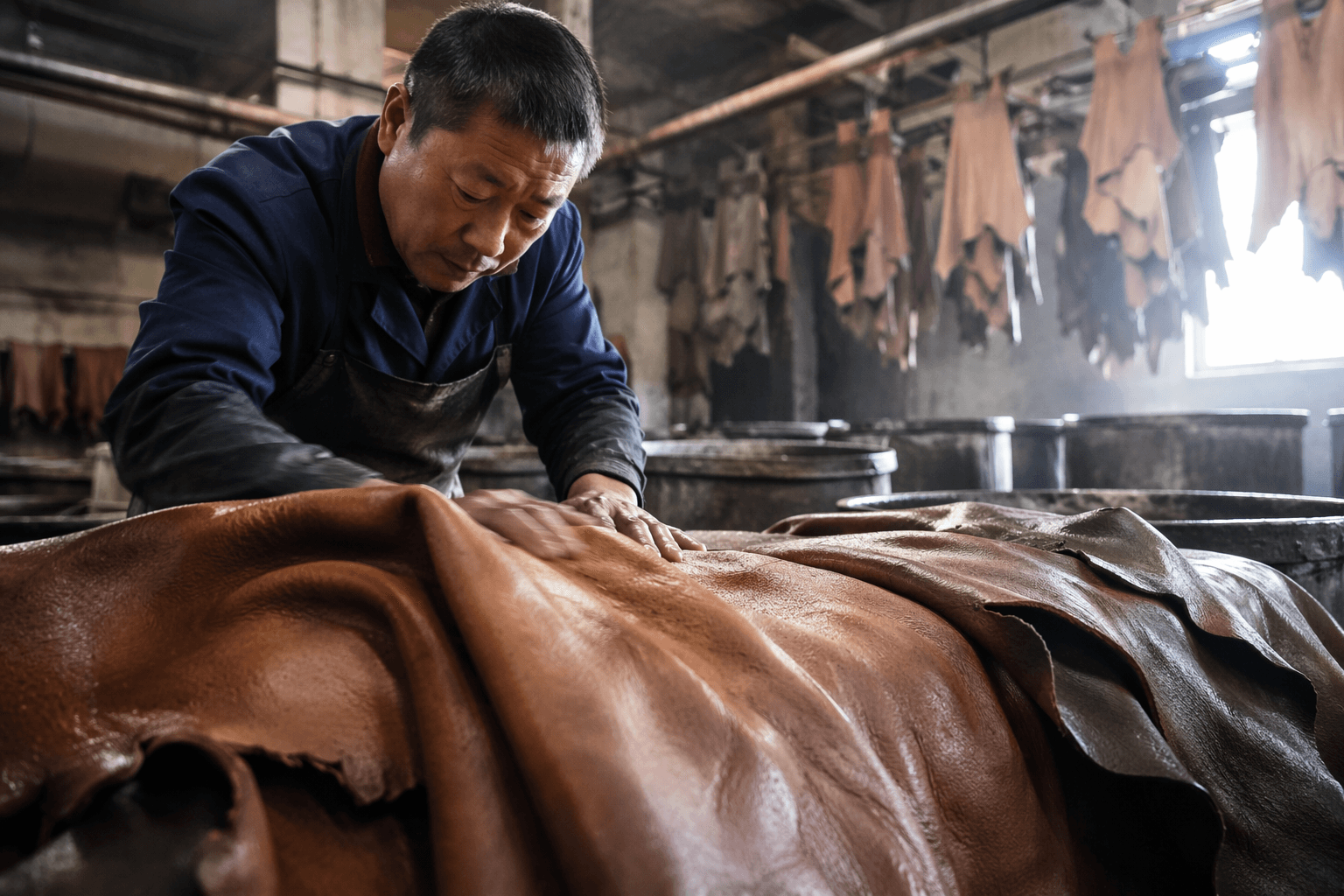
UNDP says the point is not just cleaner chemistry but stronger institutions, better chemical management, and more circular production across Mongolia’s cashmere, wool, and leather sectors. That matters to leathercraft because the quality of the hides that reach small makers begins with the systems around them: how raw material is prepared, how chemicals are handled, and whether buyers can trace what they are getting.
The workshop drew officials from food and agriculture departments in all 21 provinces, along with more than 90 representatives from government agencies, financial institutions, industry associations, and the private sector. Sessions covered financing and support mechanisms, raw material preparation, traceability systems, veterinary services, standards, international requirements, and chemical use. Participants also visited leading factories and professional associations, a reminder that the debate is about more than policy language. It is about whether what happens at the herder level can translate into better final quality, stronger competitiveness, and more value addition.
B. Javkhlan, adviser to the president of Mongolia, said fully realizing the country’s livestock-based resources by integrating them into economic circulation and developing value-added production remains a key state policy priority. Lin Cao, UNDP’s deputy resident representative in Mongolia, said local specialists are “the critical bridge between policy and implementation.”
The broader White Gold push has been building for more than a year. In March 2025, MOFALI and UNDP launched a White Gold Initiative Platform to coordinate work across wool, cashmere, and leather. UNDP says the sector is Mongolia’s second-largest export industry, generating up to USD 350 million annually and supporting over 190,000 herder households. Its project background also points to pasture degradation, climate shocks, outdated production technologies, limited traceability, and weak hazardous-waste systems, with women making up most of the workforce across the supply chains.
For small leather makers, the story is still policy rather than shelf reality. But if cleaner tanning, better waste systems, and tighter traceability move from workshop talk into factory practice, the hides available to bench crafters may become easier to source, easier to trust, and harder to ignore.
This article was produced by Prism’s automated news system from verified source data, official records, and press releases, then run through automated quality and moderation checks before publishing. The system is built and supervised by the people who set the standards it runs under. Read our full AI policy.
Did this article answer your question?