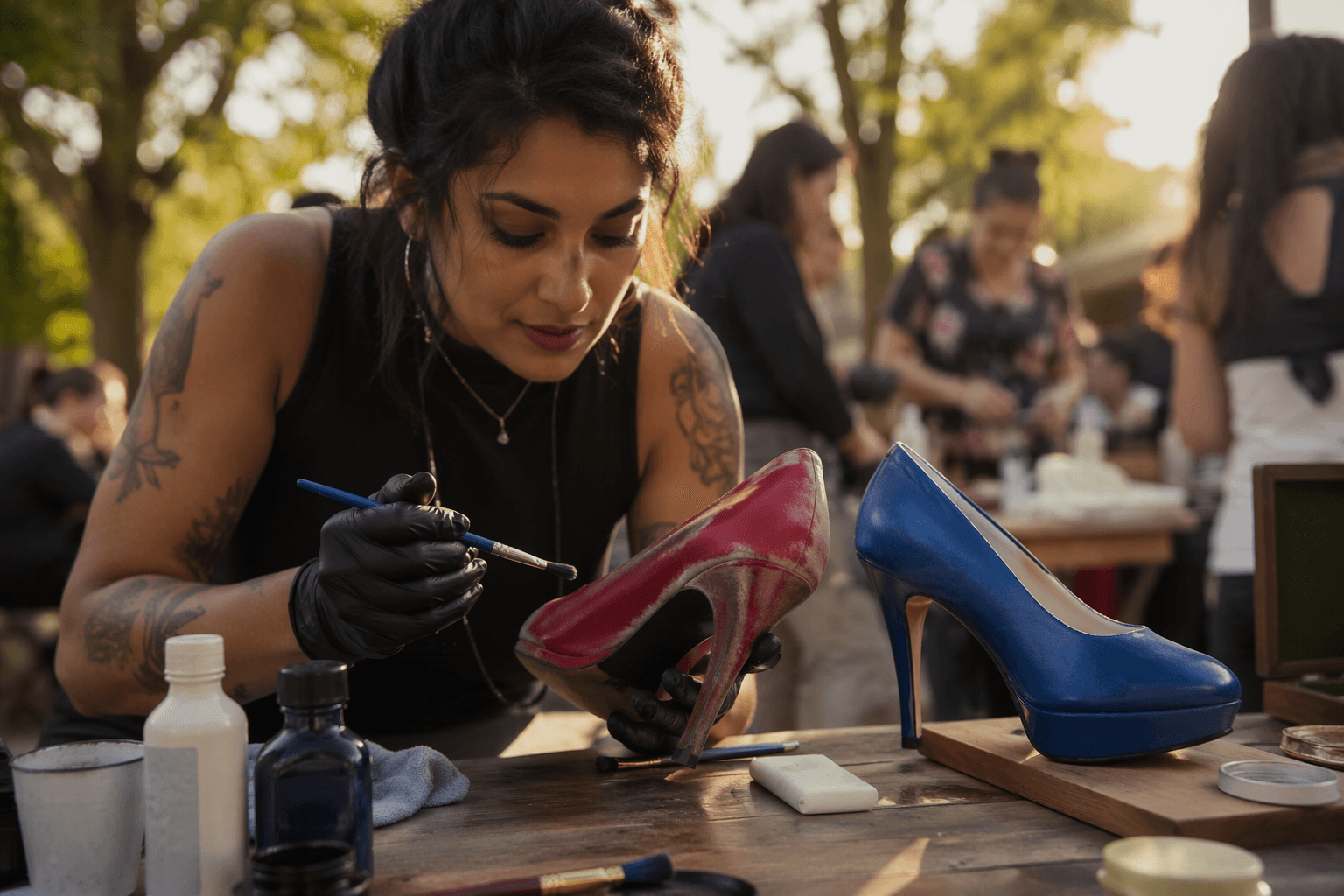
Pakistan leather exports fall despite record hide collection
Pakistan is collecting more hides, with a record 7.5 million expected after Eid Al-Adha 2026, yet leather export earnings have fallen more than 17% over a decade.
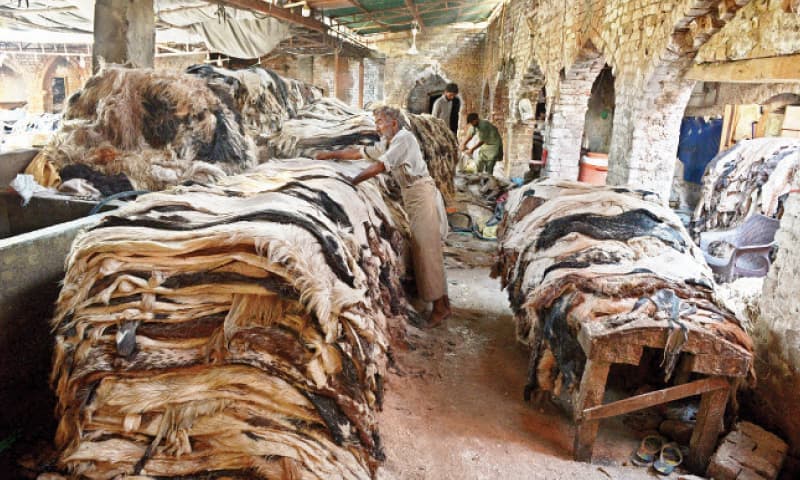
More hides are flowing into Pakistan’s leather chain, but less money is making it out the export gate. The country was expected to generate a record 7.5 million hides worth nearly Rs8.7 billion after Eid Al-Adha 2026, even as leather export revenues had fallen by more than 17% to $828 million over the past decade. That mismatch is forcing tanners to look hard at where value is leaking out of the system, from collection and curing to manufacturing and overseas sales.
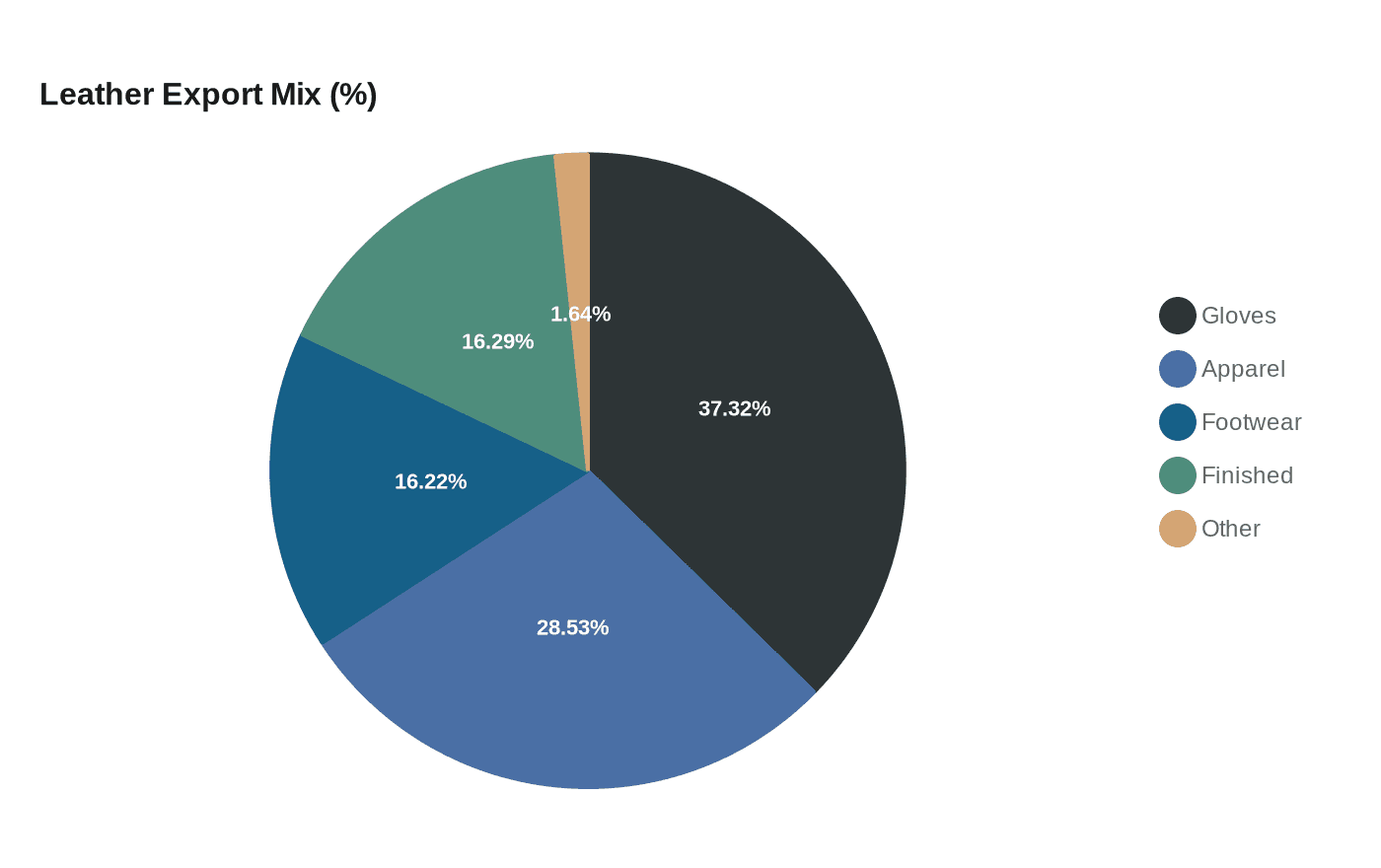
The sector still matters at home. The State Bank of Pakistan’s latest economic report for July-December FY26 said leather products contribute 1.2 percent to total industrial production under large-scale manufacturing. Yet the export mix shows where the real money sits: in fiscal year 2024-25, finished leather accounted for 16.29 percent of total leather and leather products exports, worth US$848.263 million, while leather gloves held the biggest share at 37.32 percent, followed by leather apparel and clothing at 28.53 percent and leather footwear at 16.22 percent. Other leather manufactures made up just 1.64 percent.
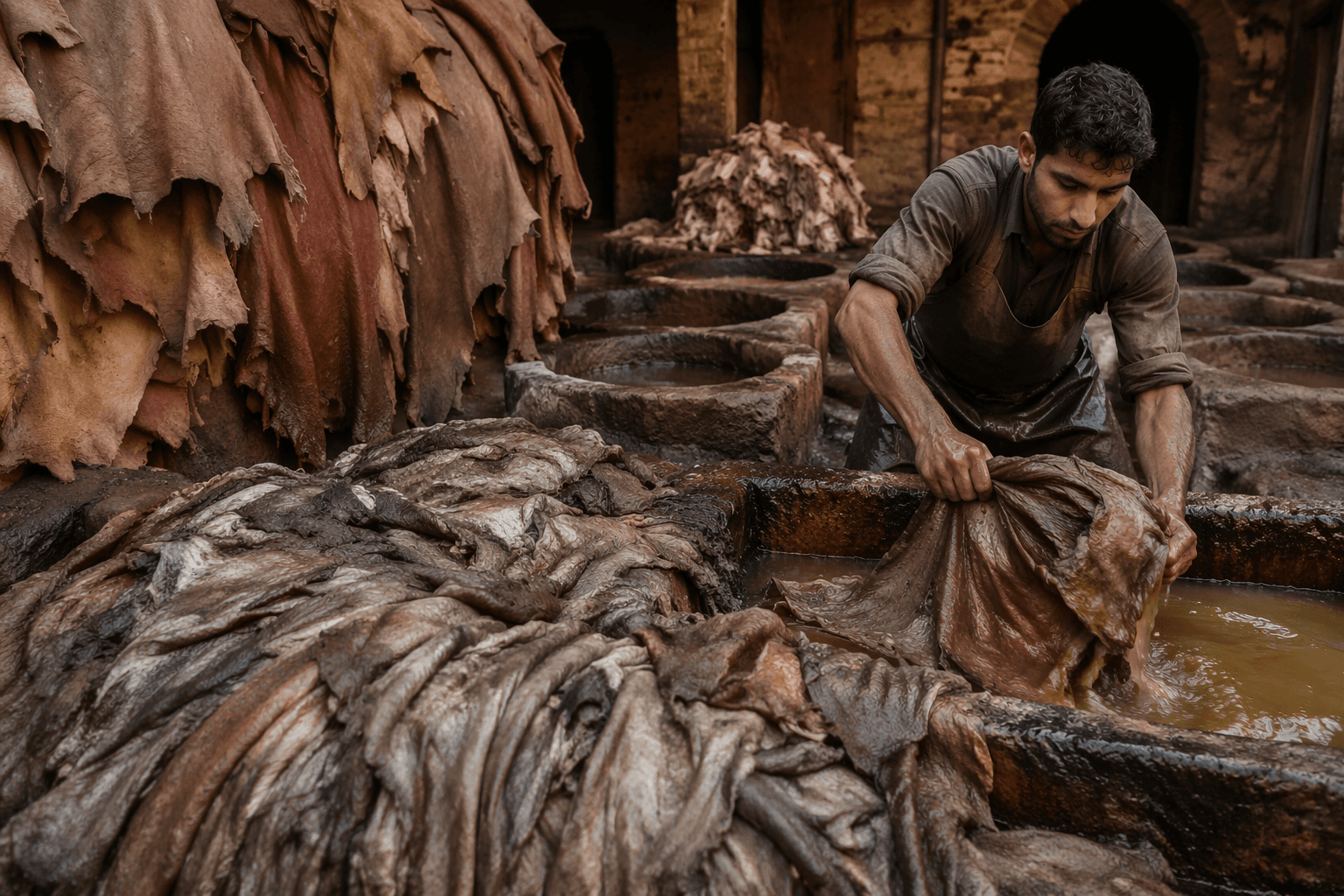
The pressure point begins well before the tannery gate. Ahead of Eid-ul-Adha 2025, the Pakistan Tanners Association projected more than 6.97 million animals would be sacrificed nationwide, including 3 million cows, 3.465 million goats, 404,250 sheep, 1,680 buffaloes and 103,635 camels. The association estimated the hides alone would be worth more than Rs6.35 billion. Business Recorder later reported the PTA said more than 7.4 million skins and hides were collected in 2025, up from 7.3 million the previous year. Even with that volume, the market did not translate the collection surge into stronger export earnings.
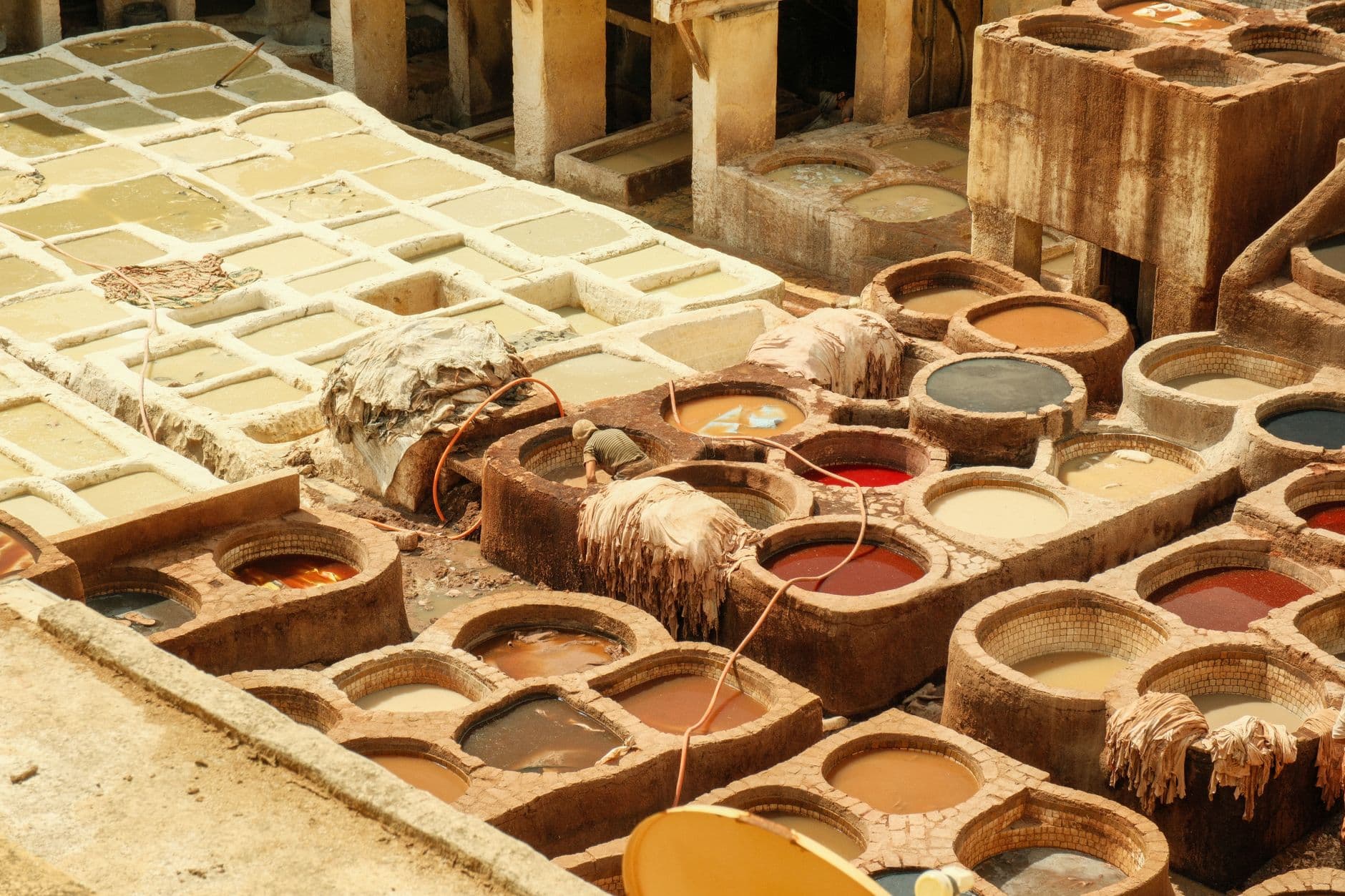
Industry officials have pointed to spoilage, a shift toward synthetic goods, rising costs and weaker global demand as the reasons the value falls away between raw hide and finished export. Hamid Arshad Zahur, chairman of the Pakistan Tanners Association, warned in May 2026 that around 5 percent fewer small animals were expected to be slaughtered that Eid season because of inflationary pressures. He said goat and sheep skin collection was likely to drop about 5 percent, while cow skin collection was expected to rise about 12 percent, and he cautioned that lower supply of goat and sheep skins could force manufacturers to import more raw material.
For leathercrafters, that is the real signal in the numbers. Pakistan may be gathering more hides, but if quality slips, curing costs rise and supply gets less reliable, the sector loses value before a single export carton is shipped.
This article was produced by Prism’s automated news system from verified source data, official records, and press releases, then run through automated quality and moderation checks before publishing. The system is built and supervised by the people who set the standards it runs under. Read our full AI policy.
Did this article answer your question?