Richemont expands Scandicci leather hub to bring production in-house
Richemont put more than €10 million into Scandicci, doubling its leather hub to 12,000 square metres and pushing more cutting in-house.
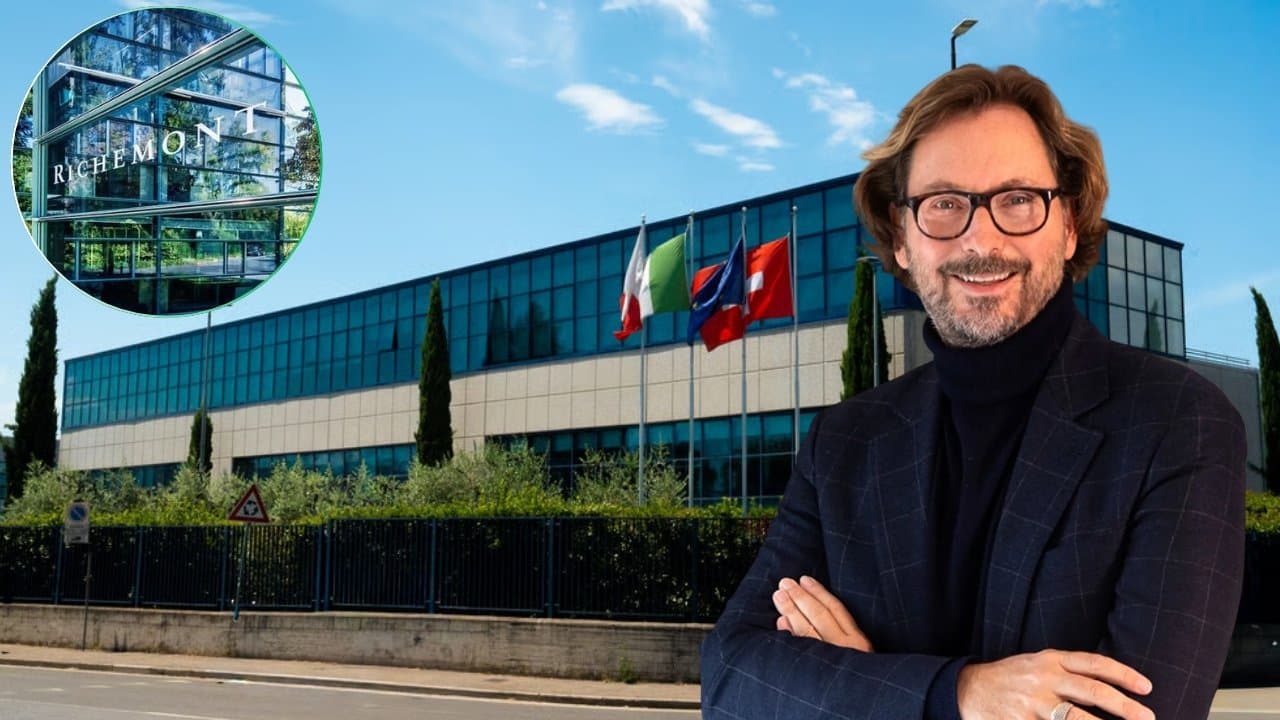
Richemont opened a bigger leather goods hub in Scandicci, near Florence, after pouring more than €10 million into Pelletteria Richemont Firenze and doubling the site from 5,000 square metres to 12,000. The move is designed to pull more work under Richemont’s own roof, with a second phase set to further renovate the cutting centre and prototyping departments.
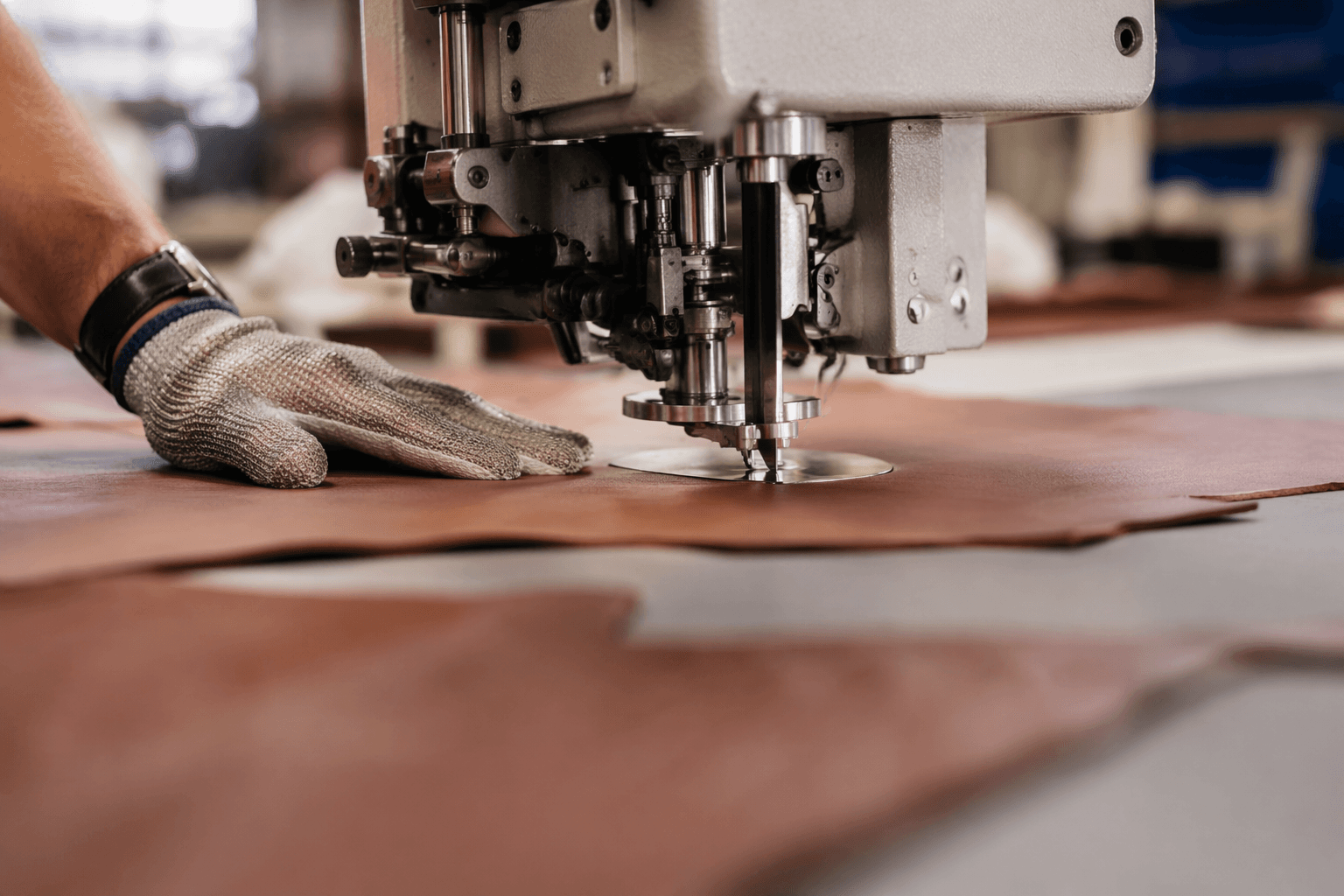
The expansion was inaugurated on June 23, 2026, and it marks a clear bet on control as much as capacity. Richemont said the Scandicci operation serves five brands, Montblanc, Cartier, Chloé, Serapian and dunhill, and works with a network of more than 2,000 artisans. The company’s aim is to double the cutting operation so it can cover 100% of its internal needs, tightening the loop between design, sample development and production.
That push matters in a region where leatherworking skill is part of the industrial fabric. The Scandicci plant has been operating for around 20 years, and the renovation programme is expected to run through March 2027. Inside the expanded complex are dedicated brand spaces, an advanced cutting centre, laboratories for physical testing, a research and development unit and shared technical services, the kind of setup that lets a luxury group keep close watch over finish, consistency and material performance.
The workforce has grown with the building. Richemont said the site has moved from 150 employees to 250 and could reach 300 soon. The broader supply chain behind it is equally dense: the company works with more than 2,000 artisans, while about 100 Italian suppliers, most of them in Tuscany, support more than 2,000 specialized workers around the hub.
Scandicci is also being framed as a place where craft and industry still belong together. Richemont leaders Cesare Landi and Domenico Oliveri tied the investment to confidence in leather goods and to the responsibility of carrying forward Florentine craft tradition. That tradition, rooted in a city long known for leather making, gives the expansion a significance beyond square metres and machinery.
The site’s energy setup points in the same direction. A photovoltaic system now covers more than half of the plant’s energy needs, making the enlarged hub not just a bigger manufacturing base, but a more self-contained one. In a sector where skilled labour, material control and brand protection increasingly decide who can scale, Richemont’s Scandicci buildout shows why concentrated leather expertise still draws serious capital.
This article was produced by Prism’s automated news system from verified source data, official records, and press releases, then run through automated quality and moderation checks before publishing. The system is built and supervised by the people who set the standards it runs under. Read our full AI policy.
Did this article answer your question?