Tamil Nadu pushes zero-waste infrastructure to clean up leather sector
Tamil Nadu backed a 50-crore waste-discharge plant in Ranipet as a mega leather cluster moved toward cleaner, more traceable sourcing.
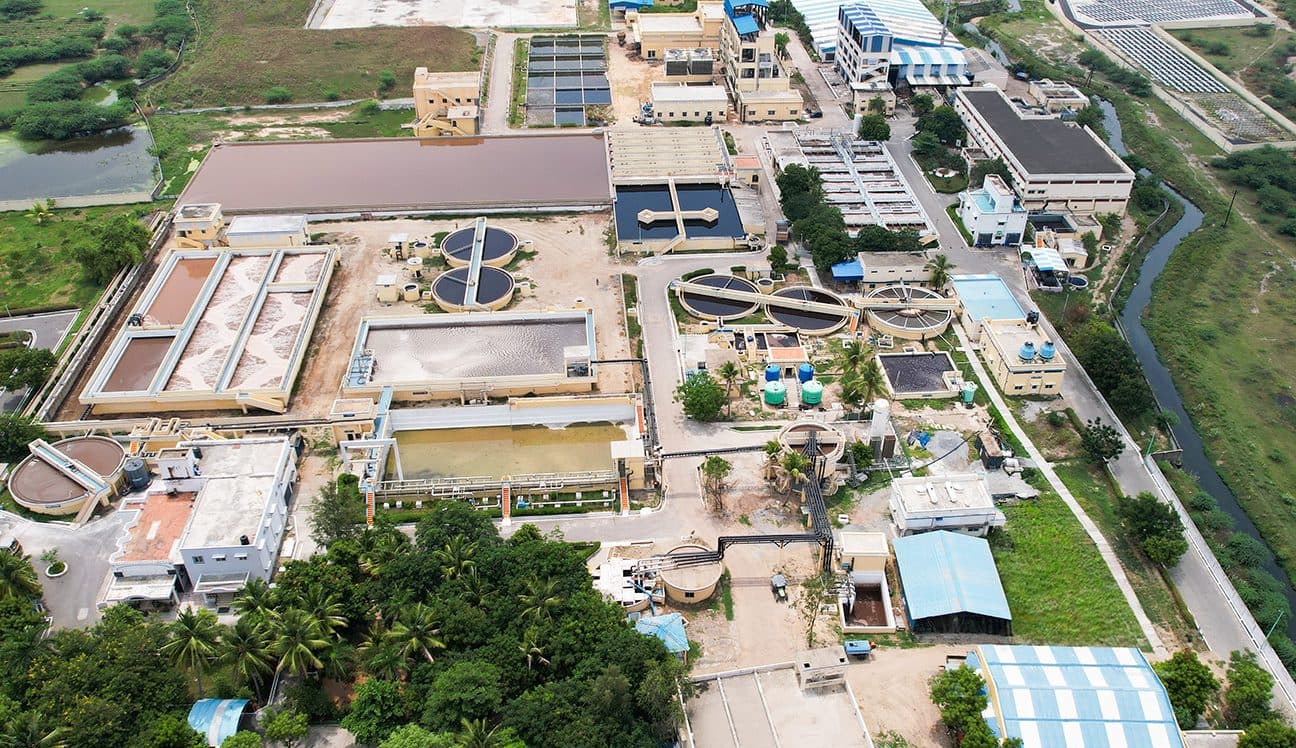
Ranipet’s leather belt picked up a major infrastructure upgrade as the Centre sanctioned a 50-crore Zero Solid Waste Discharge facility for the cluster and Tamil Nadu moved ahead with a Mega Leather Footwear and Accessories Cluster tied to a zero-solid-waste common effluent treatment plant. The new buildout is designed to provide plug-and-play infrastructure while tightening environmental compliance in one of India’s most important leather regions.
The push lands in a district that already sits at the center of the state’s tanning economy. Ranipet has more than 200 tanneries and 51 leather product units, and the Ranitec CETP, described as the largest in Tamil Nadu’s tannery sector, has a capacity of 4,000 cubic metres a day and serves 77 member tanneries. CEMCOT, the Chennai-based special purpose vehicle formed by common effluent treatment plants in Tamil Nadu in 2008, has long been part of the state’s effort to build zero liquid discharge systems into the sector rather than bolt them on later.
The environmental pressure is not abstract. The Vellore, Tirupattur and Ranipet river-basin cluster contains 449 tanneries, employs about 50,000 people and generates around 20 million litres of effluent a day, along with roughly 100,000 tonnes of salt each year. That cluster accounts for about 35% of India’s leather export earnings. On September 16, 2025, the Supreme Court ordered an environmental audit of eight common effluent treatment plants and their member units across Tirupattur, Vellore and Ranipet, underscoring how closely the sector is being watched.
The new facility is intended to turn a chronic disposal problem into a usable input by converting leather-processing waste into industrial-use salt. That matters for the next layer of the supply chain. Cleaner treatment systems do not just reduce the burden on the Palar river basin and surrounding districts; they also strengthen the case that Indian leather can move through export channels with better environmental handling and clearer traceability attached to it.

The long arc behind this move is familiar to anyone tracking Tamil Nadu leather. Leather Panel has noted that the industry in Chennai and across the state was already under heavy pressure over effluent treatment in the mid-1990s. Senior DPIIT official Nidhi Kesarwani has framed the latest cluster and CETP work as part of a broader push to double exports across sectors, with leather footwear among the priorities.
For makers sourcing hides, splits and finished leather, the significance is practical. Infrastructure like this can shape what suppliers can document, how brands describe provenance and how confidently buyers treat Indian leather as a cleaner material choice. Ranipet is not just adding capacity; it is trying to make the sector’s environmental claims harder to dismiss.
This article was produced by Prism’s automated news system from verified source data, official records, and press releases, then run through automated quality and moderation checks before publishing. The system is built and supervised by the people who set the standards it runs under. Read our full AI policy.
Did this article answer your question?