Alfred Charles Hobbs cracks Bramah challenge lock at 1851 exhibition
Hobbs spent about 51 hours over 16 days defeating Bramah’s lock, turning a 67-year boast into a public test of security.
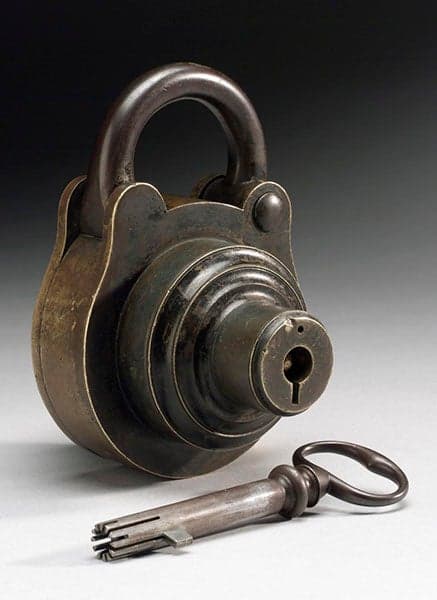
Alfred Charles Hobbs spent about 51 hours over 16 days on Joseph Bramah’s celebrated challenge lock, and the lock that had reportedly stood shut for 67 years finally gave way in Hyde Park. The American locksmith and lockpicker had come to Britain as a representative of Day & Newell of New York, and the result made him one of the best-known names in lock history.
The timing made the feat impossible to miss. The Great Exhibition ran from 1 May to 11 October 1851 in Hyde Park, London, and millions of visitors passed through a public showcase built around industry, raw materials, art and design from Britain and abroad. Inside that setting, Bramah’s lock was not just hardware. It was a claim, displayed in public, that security could be advertised as much as engineered.
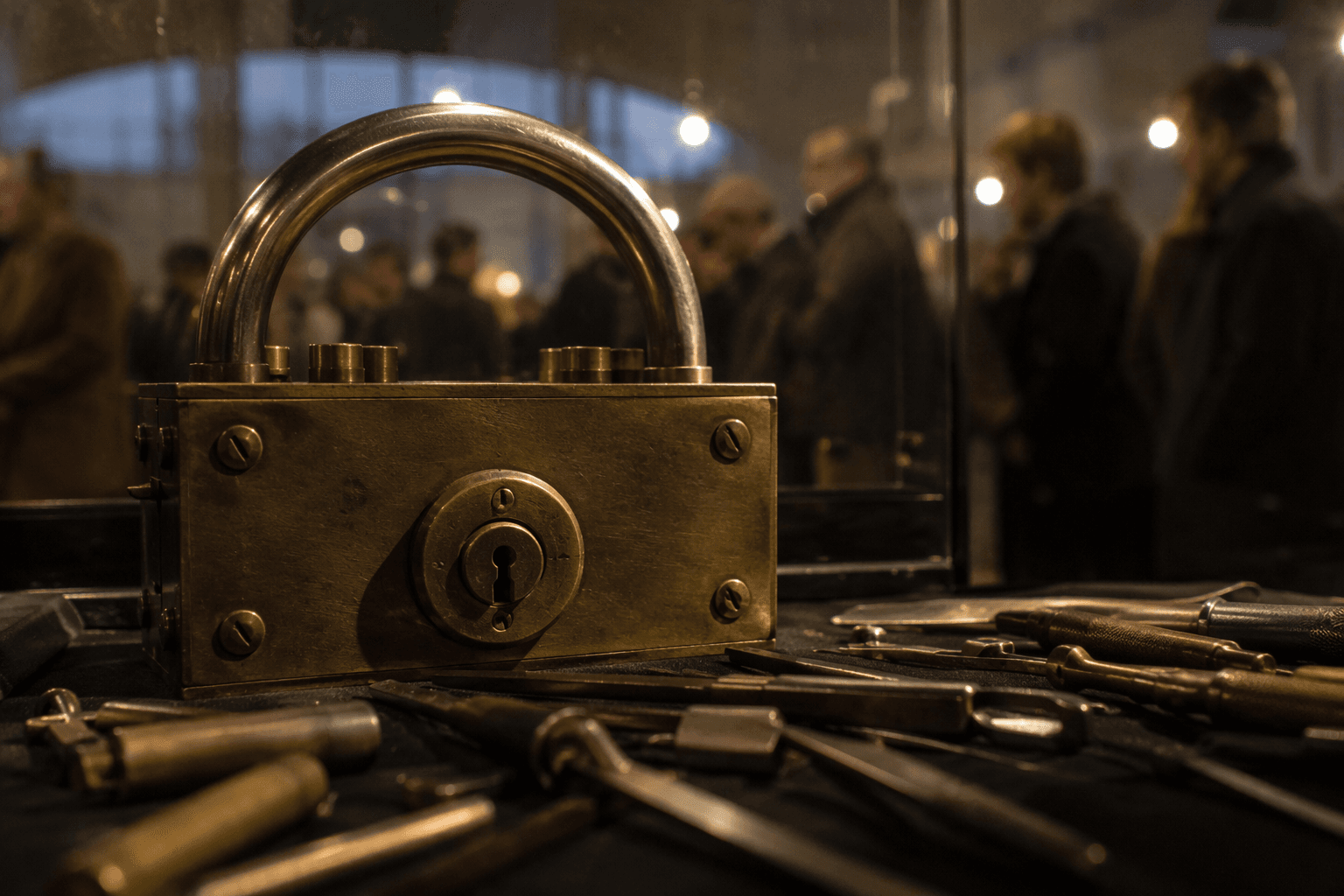
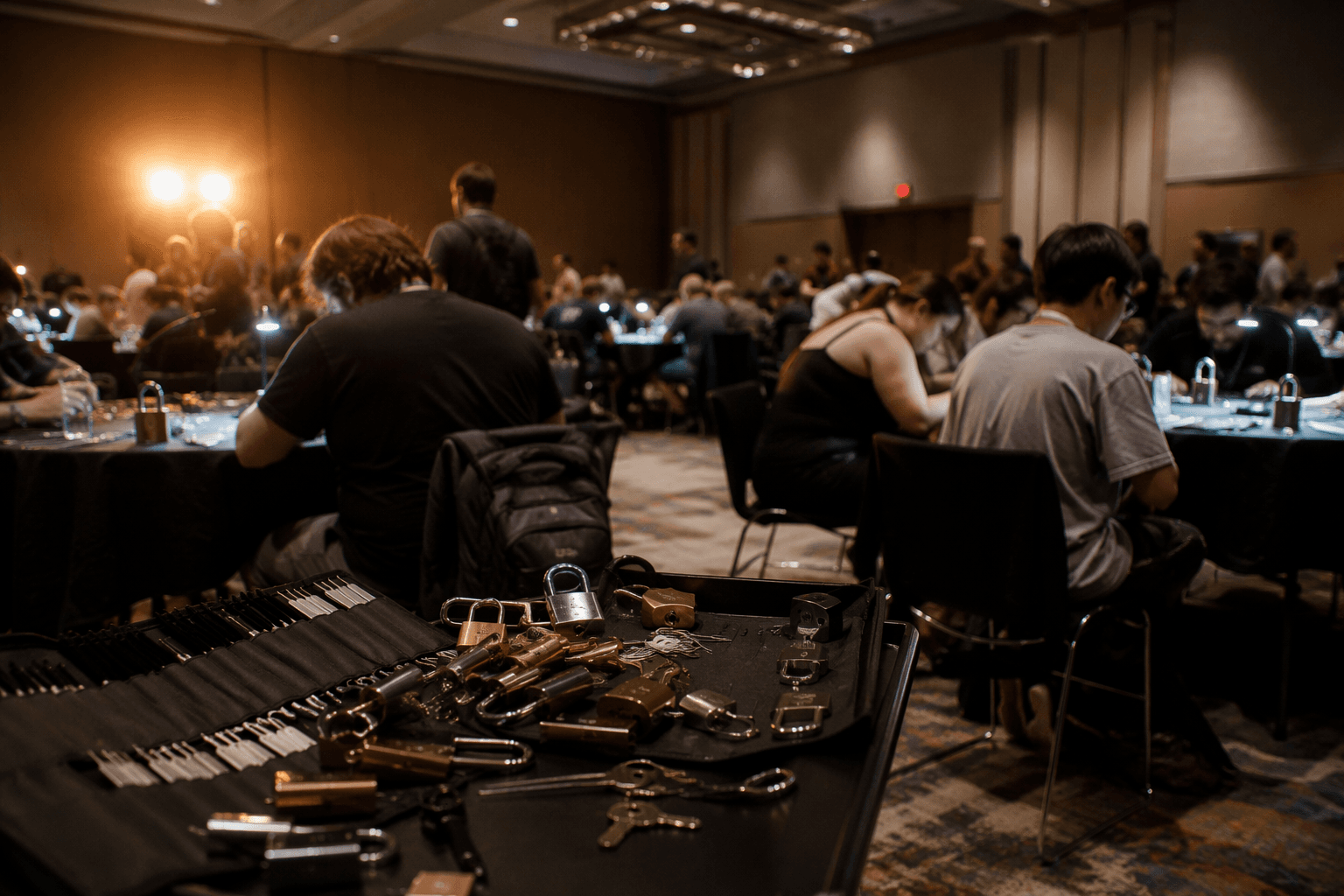
Hobbs answered that claim with patience. Science Museum Group records describe him as the first person to pick Bramah’s lock, and they note that he also brought Robert Newell’s Parautoptic lock to demonstrate at the exhibition. Later in the same summer, he went on to pick the Chubb detector lock and then the Bramah Precision lock, the so-called monster lock said to have been manufactured in 1790. For anyone who spends time at a bench with a lock and a set of tools, the sequence still reads like a brutal reminder that endurance and feedback matter as much as speed.
The reaction was as important as the opening itself. Hobbs’s success caused a sensation across the world and sparked arguments about lock security, along with the ethics and circumstances of the contest. There were disputes over how he had opened the lock before a prize was awarded, which only sharpened the larger point: challenge locks were always as much about reputation and marketing as they were about mechanism. Joseph Bramah’s name had been built into a public challenge, and Hobbs forced that challenge to be answered in public.
Hobbs later founded Hobbs & Co in Cheapside, London, carrying the victory from exhibition hall spectacle into the trade itself. More than 170 years later, the episode still sits at the center of locksport’s oldest argument: when a picker exposes a weakness in a celebrated lock, that can look like embarrassment to the maker and like proof of concept to everyone who cares about real security. The Bramah lock did not just fall to one man’s skill. It became the moment lockpicking moved from a quiet craft into a public test of claims.
This article was produced by Prism’s automated news system from verified source data, official records, and press releases, then run through automated quality and moderation checks before publishing. The system is built and supervised by the people who set the standards it runs under. Read our full AI policy.
Did this article answer your question?