DoubleLockUSA guide breaks down heavy-duty padlocks for outdoor security
Heavy-duty padlocks are only as strong as their shackle, keyway, and weather sealing once cutters, prying, and picking enter the picture.
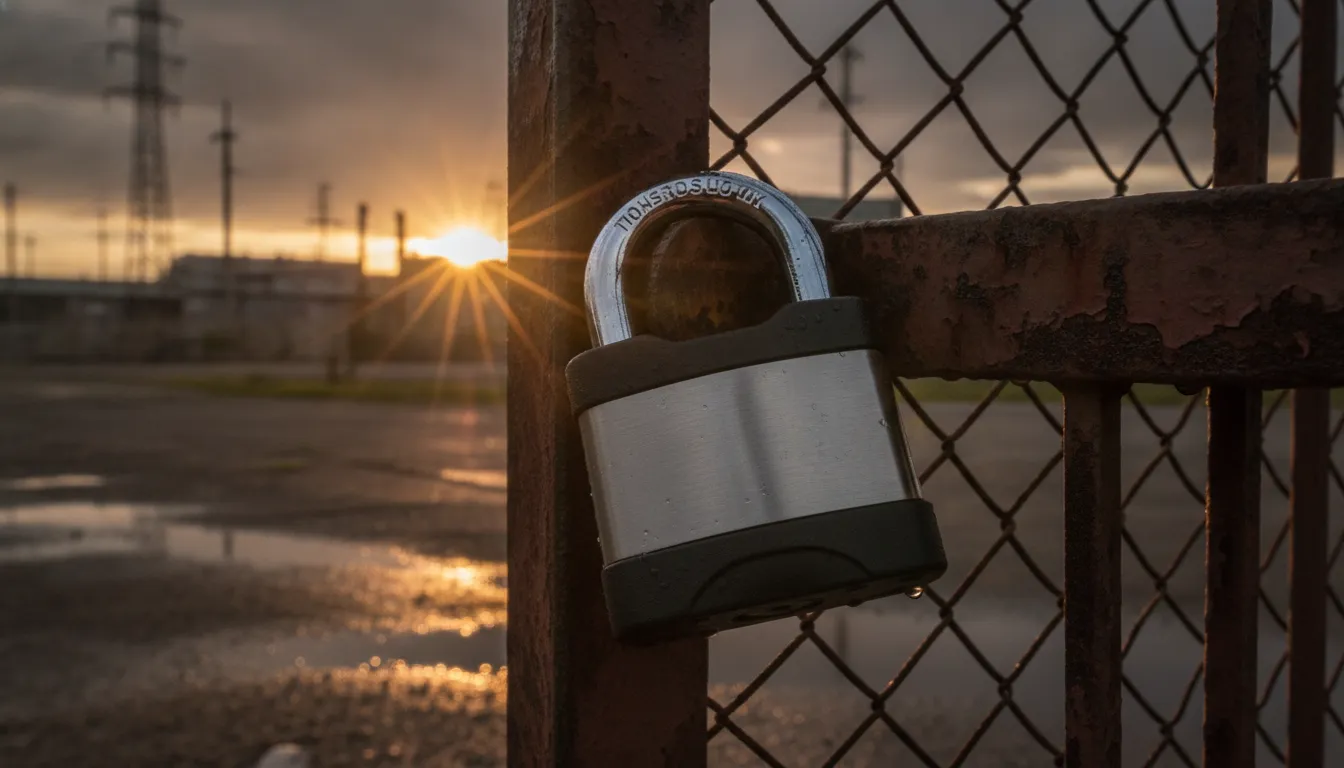
An exposed shackle gives bolt cutters and pry bars room to work, and rain, dust, freezing temperatures, UV exposure, humidity, and salt air can finish off a padlock that only looks rugged. Heavy-duty padlocks earn their keep outdoors only when they survive the full mix of threats: bolt cutters, pry bars, picking, bumping, and weather that wears down lesser locks. DoubleLockUSA puts the category in the commercial-grade physical-security bucket for gates, sheds, storage units, trailers, tools, and other exposed gear. The shiny, rugged look matters far less than whether the shackle is exposed, the cylinder resists manipulation, and the body keeps working.
What heavy-duty really means outdoors
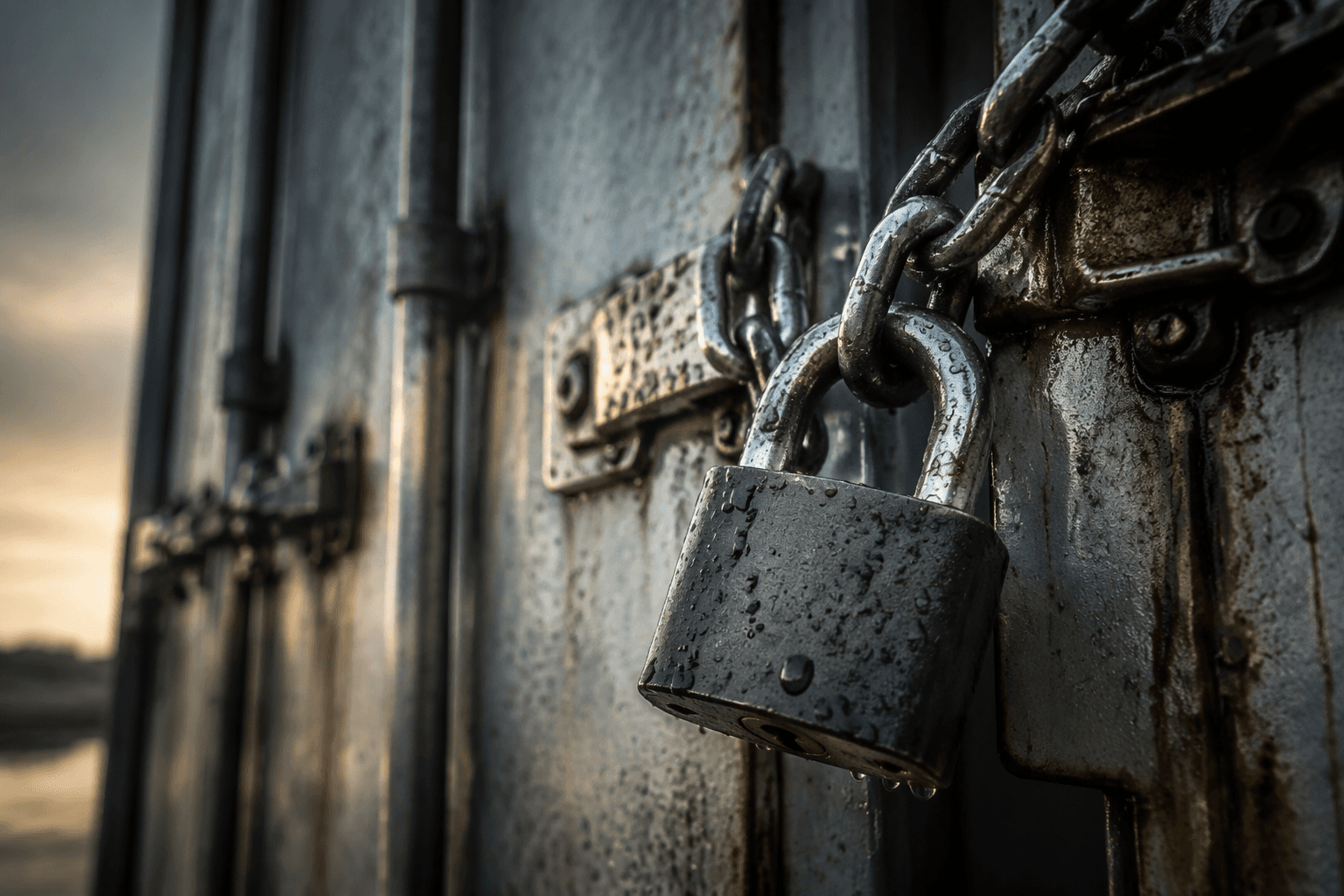
Outdoor security creates a different threat model than indoor storage. A padlock that feels solid in the hand can still seize up after repeated wet-dry cycles, corrode in salty air, or get sluggish when dust and cold combine against it. For anything that has to live outside full-time, the lock is a physical barrier for something that sits in the elements.
That is why body material, shackle thickness, corrosion resistance, weather protection, and the quality of the keyway all belong in the same conversation. If you are protecting a gate or a tool cage, the lock has to do two jobs at once: discourage quick entry and keep functioning after months of exposure.
Shackle exposure is the first thing to read
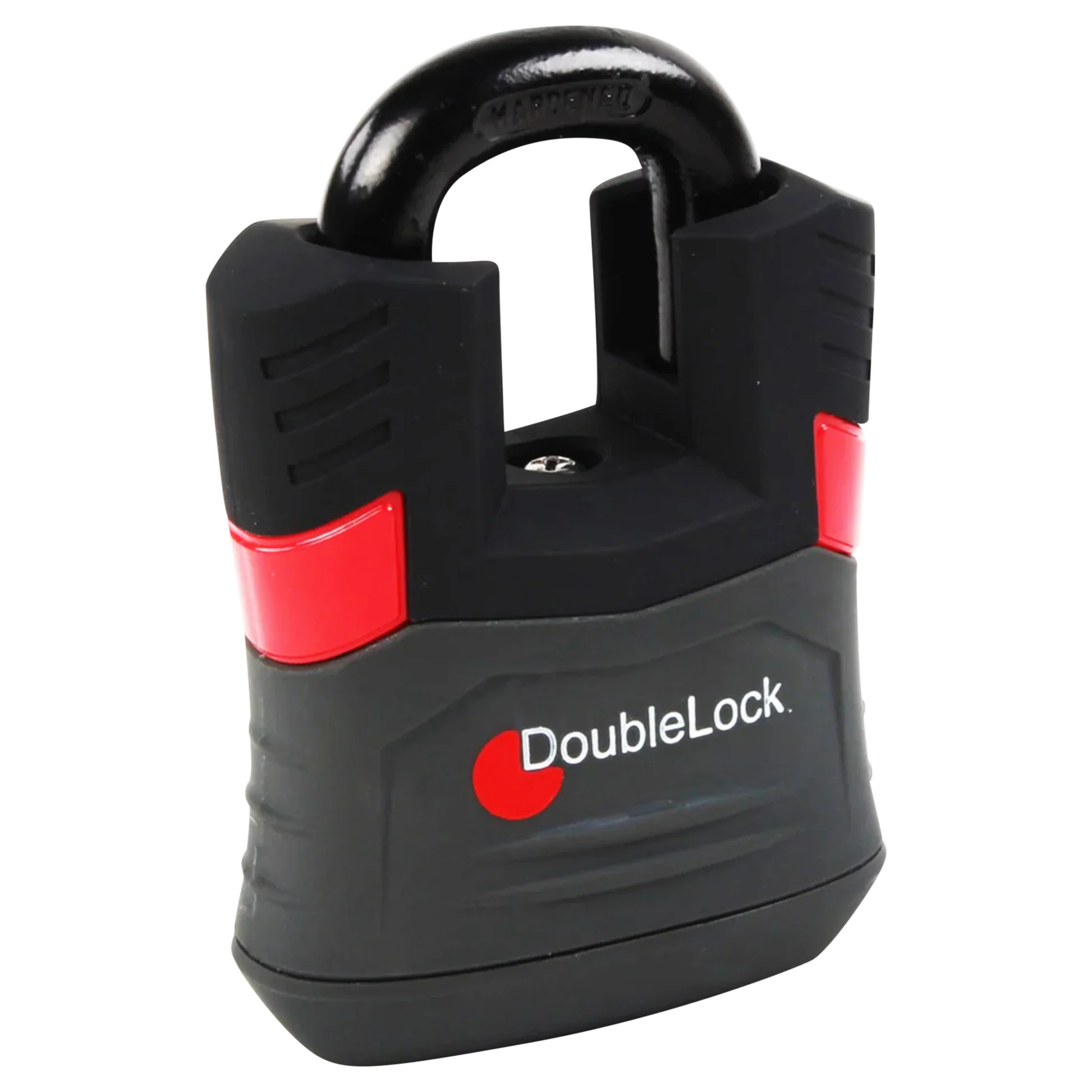
The first real tell is the shackle. If it hangs out in the open, cutters have more room to bite and pry tools have more room to work. A protected or shrouded shackle limits that access, while a hardened shackle raises the cost of cutting and can slow the attacker down enough to matter.
That does not make the lock invincible. A big body without good shackle geometry can still be vulnerable, while a smaller lock with the right protection can be a better fit for the job.
The keyway and core are part of the security story
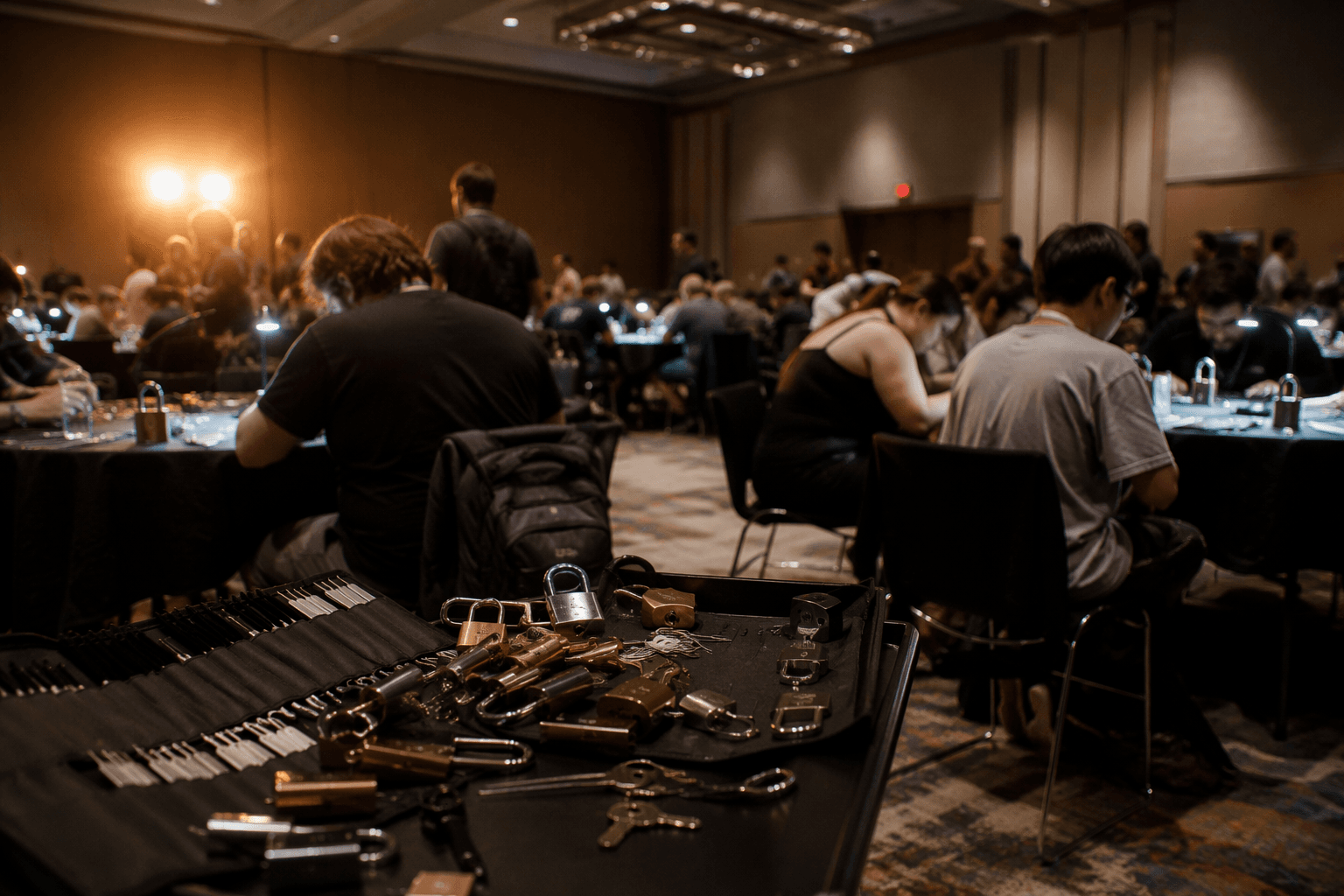
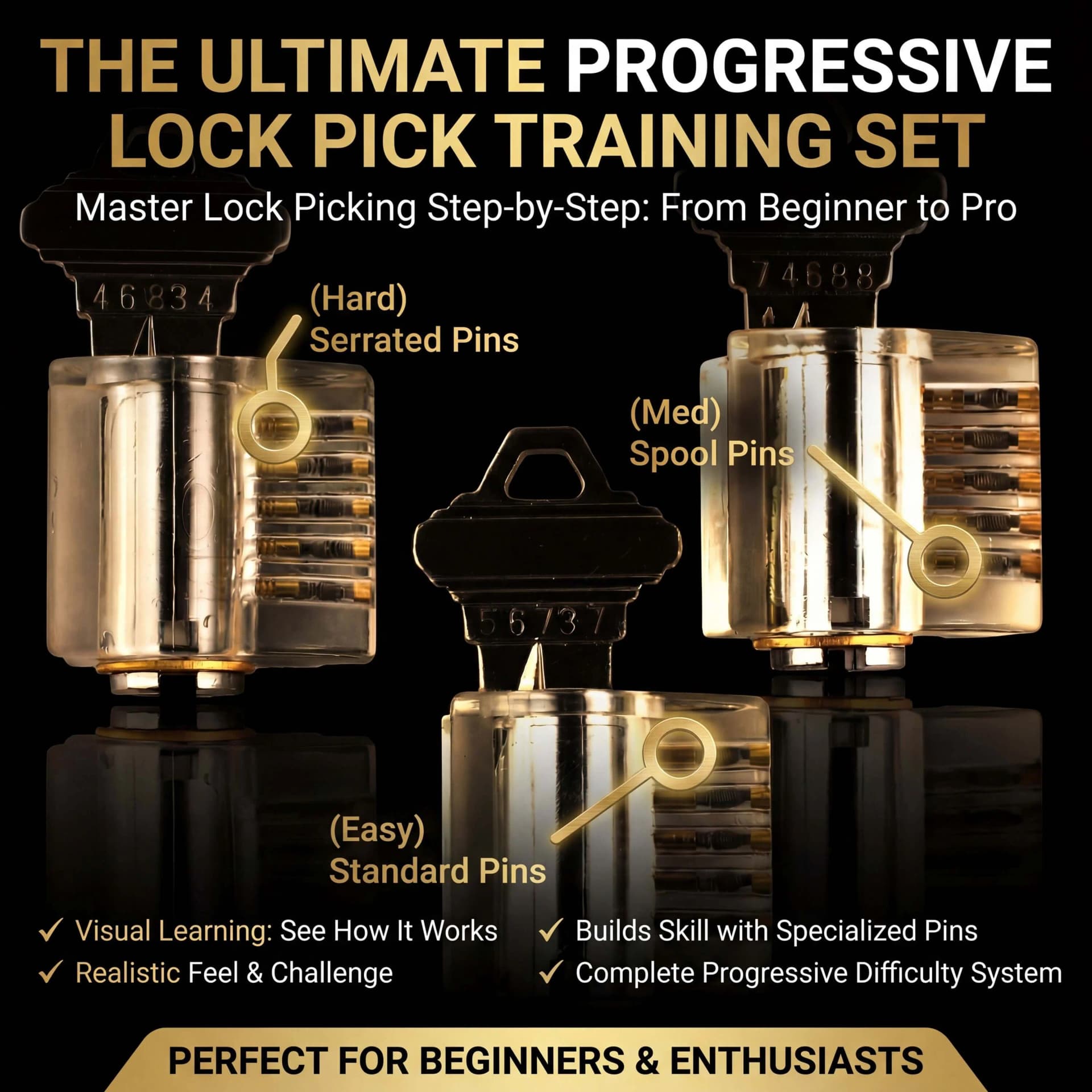
Lockpickers know the cylinder is where a lot of the real contest happens. A more sophisticated keyway and internal build can slow picking or bumping, while a poor one can give away weaknesses long before anyone reaches for cutters. That matters because outdoor padlocks are judged against both non-destructive and destructive attacks at the same time.
Lock-picking resistance belongs in the test because padlocks are actually tested against both kinds of attacks in the real world. A lock can survive brute force better than a cheap hardware-store option and still have a core that gives up too easily to manipulation.
Ratings are the reality check, not the marketing copy
This is where standards language becomes useful. Insight Security published “Why You Need Insurance Approved Padlocks” on 2019-06-22, then followed with “How to Choose a Padlock - 90 Second Video” on 2024-06-17 and “Weatherproof Padlocks For Reliable Security and Sustainability” on 2025-03-20, and the pattern is clear: buyers keep reaching for something more objective than “heavy-duty” on a label. Its separate page on “Heavy Duty Padlocks - CEN 4, 5, 6 Padlocks” points to the CEN rating system as one way the category gets measured.
Squire Locks USA’s “CEN Padlock Ratings: A Technical Guide for Critical Infrastructure and Industrial Security Buyers” and James Bull Access & Security’s “Padlock Ratings” use the same standards-first approach. ASTM International is part of the broader standards conversation.
What the lockpicking community sees immediately
The hobby side of this is blunt about limits. Locksmith Recommended’s April 16, 2019 video description calls padlocks deterrents and says no $10 padlock will be pick proof. Experienced pickers already know the job of a padlock is to raise cost and time, not to promise invulnerability.
Lock Noob published “Learn Lock Picking: EVERYTHING you Need to Know!” on 2019-12-28 and “101 Things Every Lock Picker Should Know” on 2021-06-19, and LockPickingLawyer published “[1283] A Lock Picking Game Changer?” on 2021-05-01. Together they show how much attention the lockpicking community pays to tolerances, bypass points, and the small design choices that separate a decent outdoor lock from one that merely looks serious.
Match the lock to the asset, not the label
A backyard gate, a trailer tongue, a storage unit, and a shed full of tools do not ask the same thing from a padlock. One may need better weather resistance because it sits in a salt-air yard all year; another may need stronger shackle protection because it faces prying and cutter attacks; another may benefit more from a better core because it lives in a lower-exposure setting but gets touched every day. There is no single best padlock for every use case.
The useful habit is simple: start with the environment, then the attack method, then the lock body. If rain, dust, freezing temperatures, or salt air are part of the story, weatherproofing matters as much as brute strength. If the likely challenge is picking or bumping, the keyway and internal build deserve as much attention as the shackle. If cutters and pry bars are the real worry, exposed metal and weak geometry become the first things to rule out.
This article was produced by Prism’s automated news system from verified source data, official records, and press releases, then run through automated quality and moderation checks before publishing. The system is built and supervised by the people who set the standards it runs under. Read our full AI policy.
Did this article answer your question?